
Google Patents On-Device AI Recommendation Engine for Television Apps
Google is filing patents for a TV recommendation system that builds and runs its personalization model entirely on your device — no user data sent to the cloud to figure out what you want to watch next.
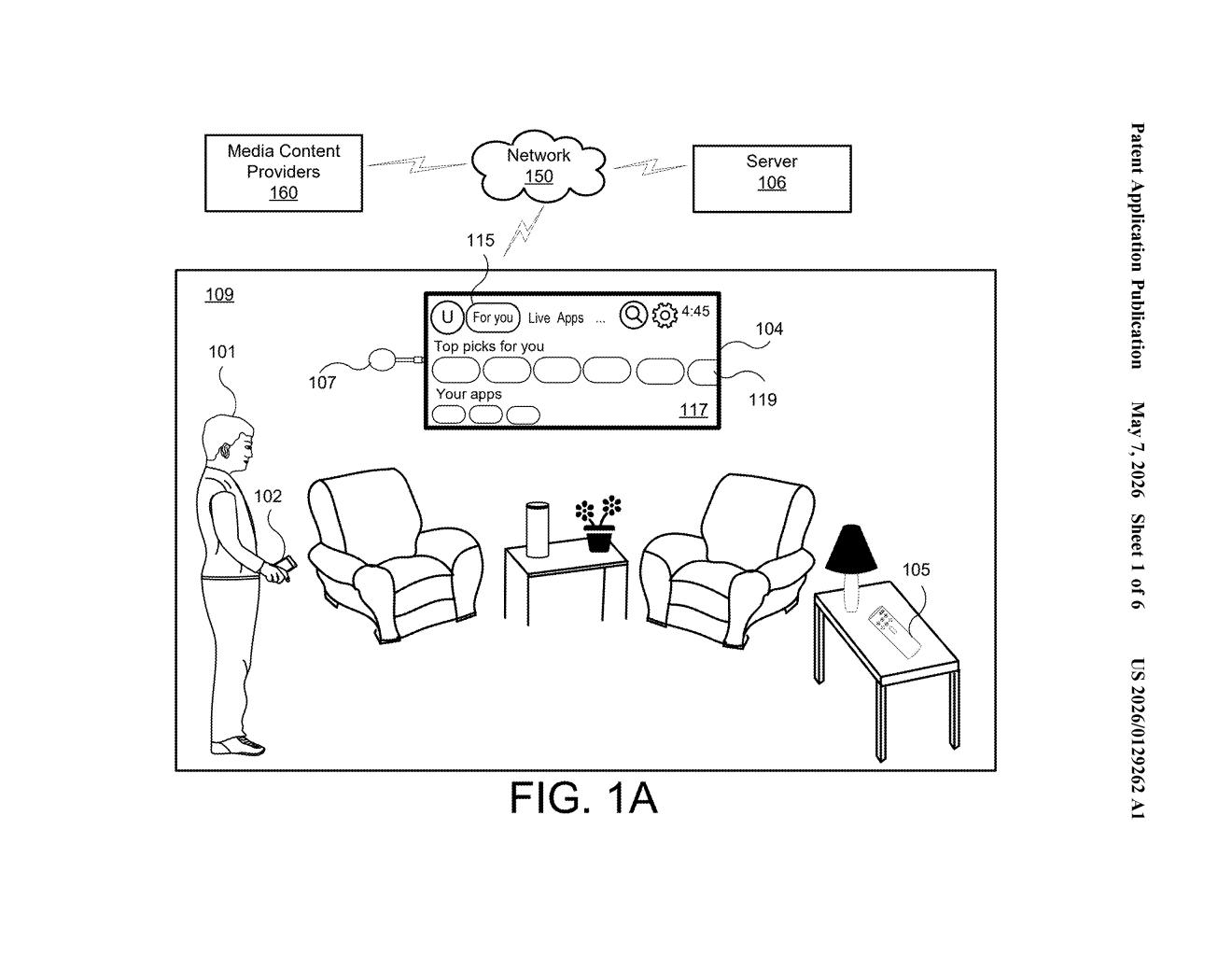
How Google's TV app learns what you like locally
Imagine your TV learning you like slow-burn thrillers and Sunday morning cooking shows — and making that call entirely on your couch, without phoning home to a server. That's the idea behind this Google patent.
Right now, most streaming recommendation engines work by sending your watch history, pauses, searches, and clicks up to a central server, where a big shared model crunches the numbers and spits back suggestions. Google's patent describes doing all of that on the device itself: your TV app watches how you interact with it, stores that data locally, builds a personal model from it, and uses that model to surface recommendations — all without your behavior leaving the device.
For you as a viewer, the pitch is twofold: your recommendations could feel more personal (the model only knows you, not millions of other users), and your viewing habits stay on your hardware rather than living in Google's data centers.
How the on-device model trains from your viewing habits
The patent describes a television application running on a computing device — think a smart TV or streaming stick — that collects signals about how a user interacts with its interface. That includes things like what you search for, what you tap on, what you skip, and how long you linger on a title.
All of that interaction data is stored locally on the device rather than transmitted to a remote server. The system then uses this locally stored data to generate an on-device model — essentially a personalized machine-learning model tied to that specific user. The claim language doesn't specify the model architecture, but the intent is clear: a lightweight model that can run on consumer TV hardware.
Once the model exists, it drives content recommendations that are surfaced directly inside the TV app's interface. The whole loop — data collection, model training, inference, and UI integration — happens on the device.
- Data gathering: User interactions with the TV app UI (searches, selections, browsing patterns)
- Local storage: Interaction data stays on-device rather than being uploaded
- On-device model generation: A personalized model is built from that local data
- Recommendation integration: The model's outputs are embedded back into the app's UI
What this means for Google TV and your viewing data
Google TV already competes with Roku, Fire TV, and Apple TV on the strength of its content discovery — and recommendation quality is a major differentiator. An on-device approach could let Google offer more personalized suggestions even in households with spotty internet, while simultaneously reducing the amount of behavioral data that flows through Google's servers. That second point matters more now than it did five years ago, given the regulatory scrutiny around data collection in the EU and U.S.
There's also a privacy framing angle here that Google could lean into publicly, similar to Apple's "on-device intelligence" messaging around Siri and Photos. Whether the on-device model is meaningfully better than server-side alternatives at scale is an open question — but the architecture at least gives Google the option to make that claim.
This is a solid, pragmatic patent that addresses a real tension in streaming: the best recommendations have historically required massive server-side models fed by everyone's data, but users and regulators increasingly want that data to stay local. Google is essentially trying to have both — personalization and privacy — by moving the model to the edge. It's not a flashy technical leap, but it's a clear strategic signal about where Google TV's AI story is heading.
There are more where this came from
We read every patent application Big Tech publishes and send you the ones worth knowing. Plain English, free, every week.
Want this weekly breakdown for a company we don't cover? Patentlyze Pro →