Topic · AR / VR
Latest AR & VR patents
Headsets, smart glasses, and the displays, eye tracking and sensors that make them work, from Apple, Meta, Samsung, Sony and more. The augmented reality and virtual reality patent applications we have broken down from the companies we track, newest first.
- in November so far
- 47
- filings tracked
- 690
- last 90 days
- 358
Week of November 12, 2026 · 25 filings covered · refreshes every week
The 25 AR / VR filings Patentlyze covered this week split into three areas: display and rendering quality, input and interaction methods, and how headsets blend virtual content with the real world.
Apple · Published Nov 12
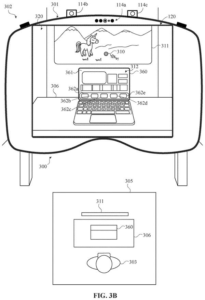
Apple describes a headset that treats your laptop like a control panel. The 3D video floats in the air above the screen, while the editing tools stay on the sharp laptop display.
Apple · Published Nov 12
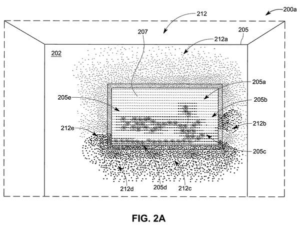
A virtual TV in a headset usually looks pasted onto your room. Apple's filing has it tint your real walls and furniture in the colors of whatever is playing.
Google · Published Nov 12
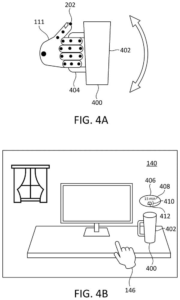
Google has filed a patent application for smart glasses that learn about the object in your hand, such as how heavy a cup is, by watching only your fingers.
IBM · Published Nov 12
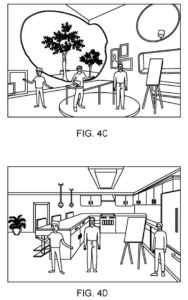
IBM has filed a patent application for a VR meeting system that watches your real room, and when something risky is heading your way, it fades the real world back into view.
Recent filings
Newest first · 690 total
-
IBM · Published Nov 12
IBM has filed a patent application for a VR meeting system that watches your real room, and when something risky is heading your way, it fades the real world back into view.
-
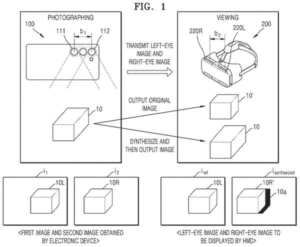
Samsung · Published Nov 12
Your phone's two cameras sit about 1.5 cm apart, but the screens in a VR headset sit about 6.5 cm apart, so home videos tend to look flat. Samsung's patent application tackles the gap by redrawing only one of the two images.
-
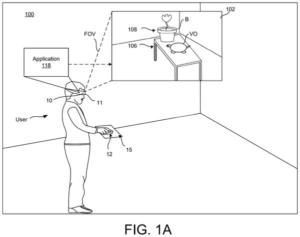
Google · Published Nov 12
VR screens sit so close to your eyes that nearly straight lines look like shimmering staircases. Google's fix is to draw the scene tilted 45 degrees, then spin it back before you ever see it.
-
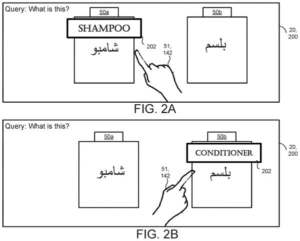
Google · Published Nov 12
Google's patent application teaches a voice assistant to figure out what 'this' means by looking at where your hand is. Ask 'What is this?' while reaching toward a bottle, and it answers out loud.
-
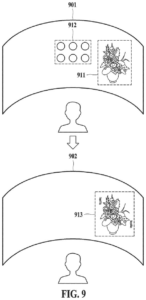
Samsung · Published Nov 12
Samsung's patent describes a headset that notices when you have stopped working, hides your floating menus, and brings a plant or wall poster in your real room to life. The goal is to give tired eyes a break without taking the headset off.
-
Apple · Published Nov 12
A virtual TV in a headset usually looks pasted onto your room. Apple's filing has it tint your real walls and furniture in the colors of whatever is playing.
-
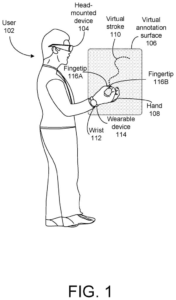
Google · Published Nov 12
Google has filed a patent application to give floating AR notepads a missing feature: the feeling of touching something. A buzz on your wrist tells you your pinch has reached the page.
-
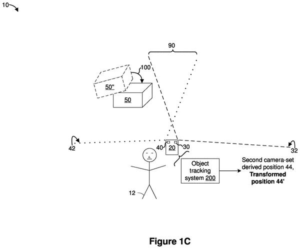
Apple · Published Nov 12
When your hand slides from one camera's view into another's, a headset can disagree with itself about where that hand is. Apple's patent application tries to hide that disagreement.
-
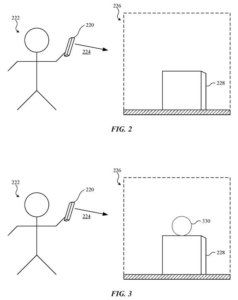
Apple · Published Nov 12
Apple describes a single app that asks every content provider, on your device and online, which digital objects belong right where you are standing. Think of it as a search engine for the spot under your feet.
-
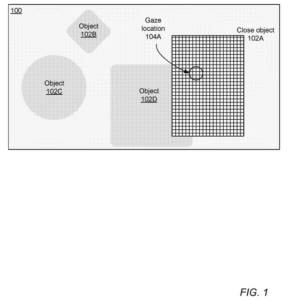
Apple · Published Nov 12
Headsets that show you the world through cameras have a blind spot: anything held close to your face looks blurry. Apple's filing teaches the headset to measure your eyes first, then focus the cameras on whatever you are looking at.
-
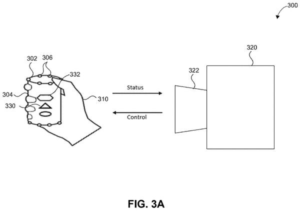
Qualcomm · Published Nov 12
Today's VR controllers often wear a big plastic ring covered in lights so the headset can find them. Qualcomm's patent application drops the ring and lets the controller change its own lights depending on what the headset can see.
-
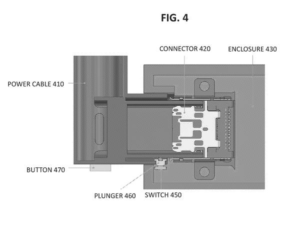
Meta · Published Nov 12
Tethered headsets have an obvious weak spot: the cable. Meta's patent application describes a headset and battery pack that notice the plug coming out and shut down in an orderly way instead of just losing power.
AR / VR patent questions, answered
Numbers pull live from the database, so answers never go stale
Which companies file the most AR / VR patents?
Over the last 90 days, Apple leads with 127 AR / VR filings, followed by Samsung (61), Meta (49), Sony (36) and Qualcomm (32). That is out of 358 AR / VR filings from all the companies we track in the same period.
How many AR / VR patents has Big Tech published this month?
47 AR / VR patent applications from the companies we track have published in November 2026 so far, after 149 in October. Patentlyze has covered 690 AR / VR filings since May 2026.
What is the newest AR / VR patent?
IBM Patents a VR Headset That Shows Your Real Room When Danger Nears, an IBM filing published November 12, 2026. The latest filings are listed above, newest first.
Does a new AR / VR patent mean a product is coming?
No. A published application is not a product announcement. Companies file to protect options, and most patented ideas never ship in the form described. What filings do show is which companies are putting research effort into AR / VR right now.
One email a week
The week’s top patents. Plain English. Free.
The best of each week's release, picked and explained.
