
Samsung Patents Battery Material That Charges More Reliably Without Liquid Inside
Solid-state batteries have been the promised future of EVs and phones for years, but the electrolyte inside them is notoriously hard to get right. Samsung's latest patent targets one of the trickiest parts: making the crystal structure inside the electrolyte uniform enough to actually carry charge well.
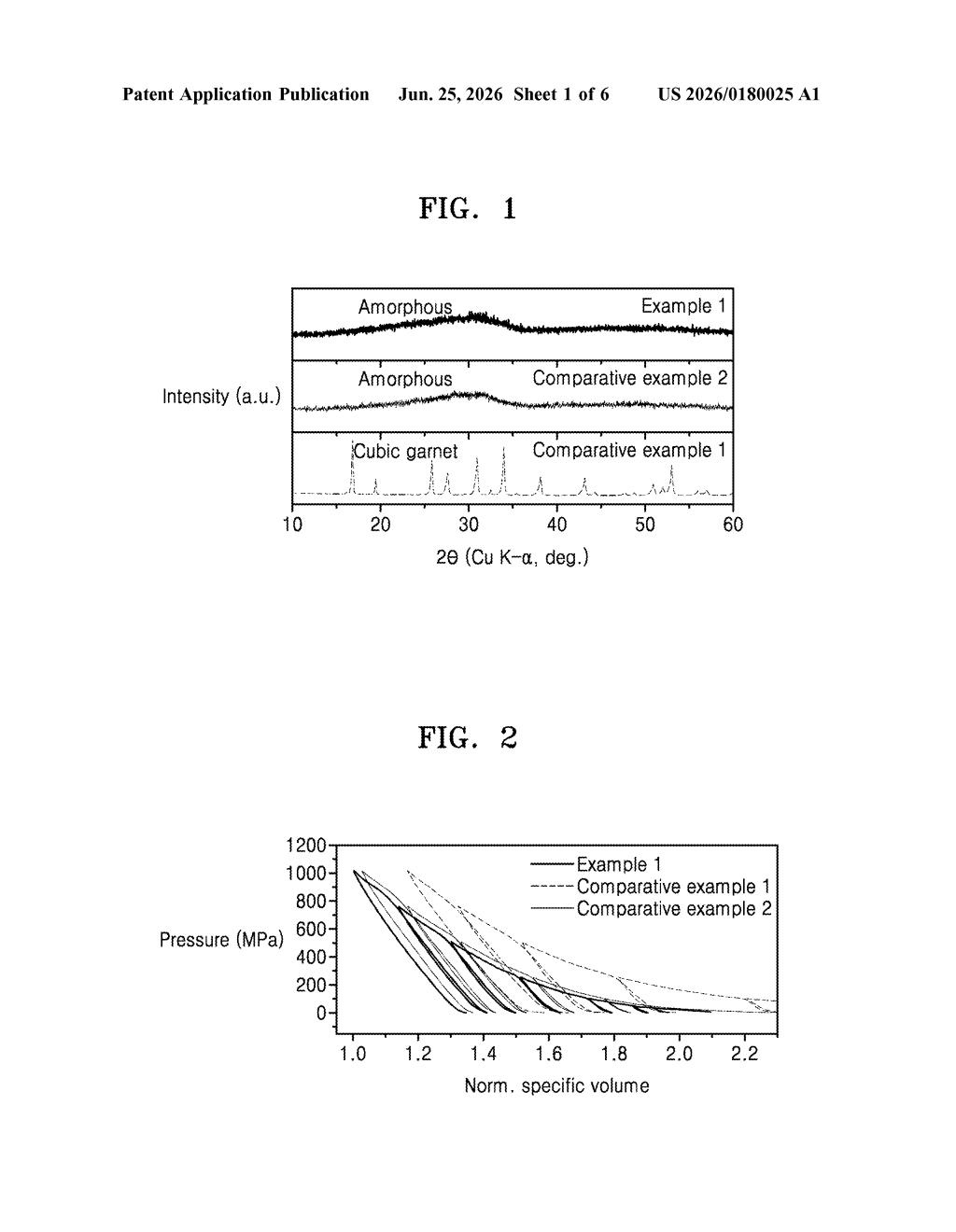
What Samsung's solid-state electrolyte actually does
The battery in your phone or EV uses a liquid to carry electrical charge between two ends. That liquid works, but it can leak, catch fire, or degrade over time. Solid-state batteries replace that liquid with a solid material, which is safer and potentially longer-lasting, but much harder to engineer.
Samsung's patent describes a specific type of solid electrolyte made from a material called garnet (the same crystal family as the gemstone, though engineered rather than mined). The key claim is about how tightly ordered the crystal structure is inside the material. A more orderly crystal lets lithium ions move through it more freely, which means better battery performance.
The patent uses a specialized measurement called nuclear magnetic resonance to verify that the crystal structure meets a precise quality standard. Think of it like checking that every brick in a wall is perfectly aligned, rather than just eyeballing it. Samsung is essentially patenting both the material recipe and the quality-control test.
How the garnet crystal structure conducts lithium ions
The patent covers a garnet-type solid-state electrolyte, a ceramic material built around a lithium-lanthanum-zirconium-oxygen crystal framework (often abbreviated LLZO in battery research). The formula in the claim allows for swapping in various other elements at specific positions in the crystal lattice, giving engineers room to tune conductivity and stability.
The core technical requirement is that the electrolyte must include a cubic crystalline phase. Garnet materials can form in different crystal arrangements; the cubic phase is the one that conducts lithium ions well. Other phases act more like insulators and hurt battery performance.
To verify the cubic phase is present and well-ordered, the patent specifies a 7Li NMR (nuclear magnetic resonance) test, essentially an atomic-scale scan that reads how lithium ions are arranged inside the material. The claim requires the scan to show a peak in a narrow chemical-shift window (roughly -2 to 8 parts per million) with a tight line width (0.3 to 4.0 ppm). A narrow, well-placed peak signals that lithium ions sit in consistent, mobile positions inside the crystal.
- Broad or shifted peaks would indicate disorder or unwanted phases
- The tight line-width requirement is effectively a performance floor, not just a compositional recipe
- The patent also covers the preparation method and the full battery assembly using this electrolyte
What this means for solid-state battery development
Solid-state batteries have been stuck in a slow transition from lab to factory partly because quality control is hard. A batch of electrolyte that looks chemically correct can still perform poorly if the crystal structure is wrong. By anchoring the patent claim to a measurable NMR signature rather than just a chemical formula, Samsung is defining a testable standard that could apply at manufacturing scale.
For consumers, this is still years from a phone or EV near you. But it signals that Samsung's battery research arm is moving from "what chemistry works" to "how do we confirm it works every time," which is the engineering step that actually gets solid-state batteries into production.
This is a materials science and manufacturing patent, not a product announcement. It's genuinely useful work: tying battery electrolyte quality to a measurable spectroscopic test is a practical step toward scalable solid-state production. That said, dozens of companies are filing similar garnet-electrolyte patents every year, so this is one piece of a very crowded field rather than a decisive move.
There are more where this came from
We read every patent application Big Tech publishes and send you the ones worth knowing. Plain English, free, every week.
Want this weekly breakdown for a company we don't cover? Patentlyze Pro →