
Apple Patents a Multiview Content Display System for 3D Environments
Apple is patenting a way to manage how multiple content windows orient and interact with each other inside a three-dimensional space — the kind of thing you'd need to make a spatial operating system feel genuinely usable.
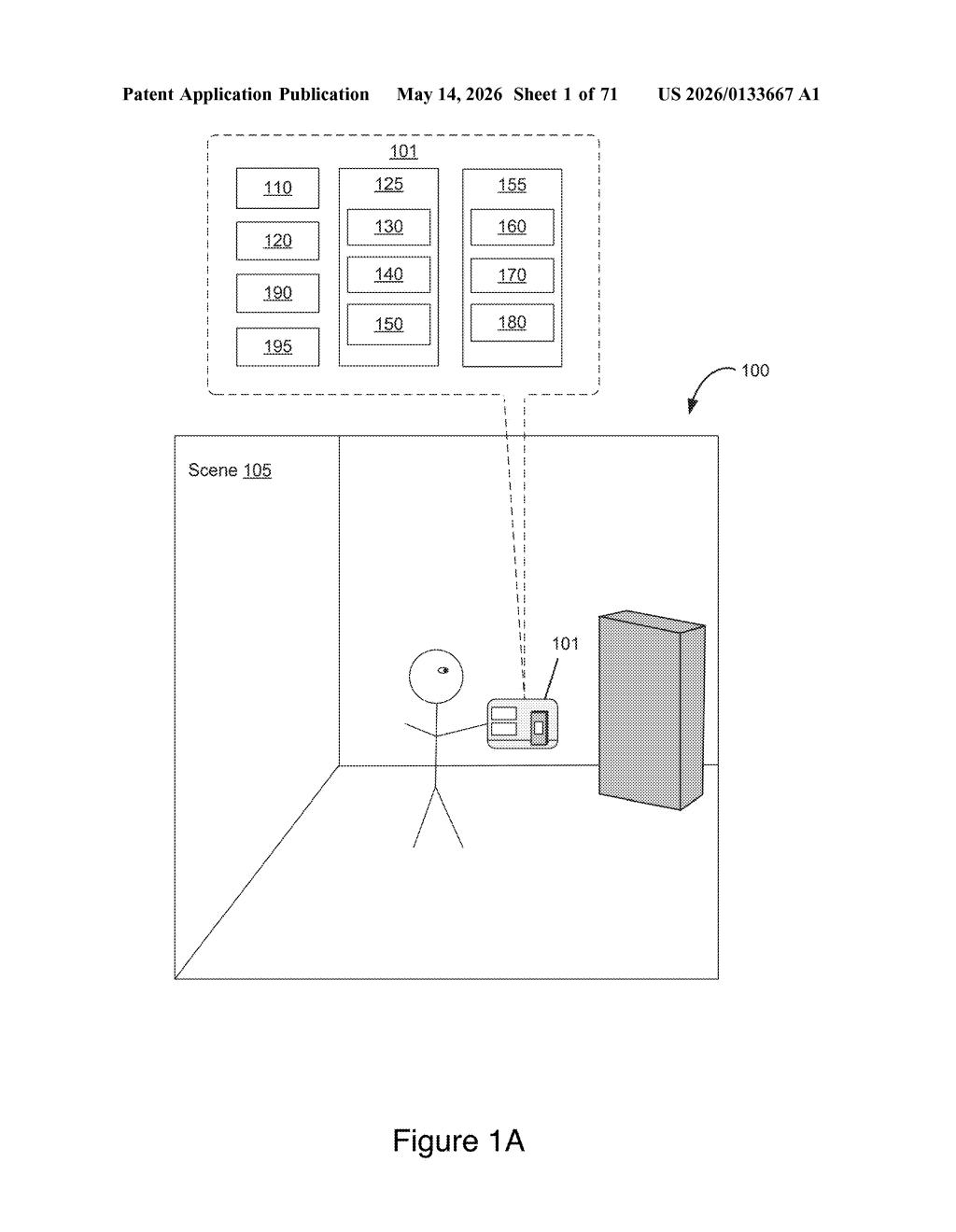
What Apple's multiview 3D content mode actually does
Imagine wearing a headset and having several app windows floating around you — a browser here, a video there, a document to your left. Right now, keeping all those panels readable and usable as you turn your head or move around is surprisingly tricky. Apple's new patent describes a system for handling exactly that.
The core idea is a multi-view viewing mode: a special state where multiple representations of content items are displayed simultaneously in a 3D environment, and the system actively manages how they're oriented toward you. Think of it like smart picture frames that always tilt to face you, no matter where you stand.
The patent also covers how you interact with those content items while in this mode — suggesting Apple is thinking carefully about both the visual layout and the input mechanics of juggling many windows in spatial computing.
How Apple updates content orientations in multiview mode
This patent covers two closely related capabilities for a spatial computing system like visionOS:
- Orientation updating: When content items are displayed in a multi-view mode, the system can dynamically update how each item's representation is oriented — likely meaning panels rotate or tilt to remain readable relative to the user's position or gaze.
- Interaction facilitation: The system also manages how a user interacts with content items while in multi-view mode, which could include selection, scrolling, or manipulation of individual windows within the shared 3D space.
The phrase "representations of content items" is deliberate patent language — it means the system isn't just managing app windows, but potentially thumbnails, previews, or transformed versions of content that can be displayed differently than their full form.
The classification under USPC 715/727 (window management / graphical user interfaces) confirms this is fundamentally a UI management patent, not a rendering or display hardware patent. It's about the logic layer that decides how spatial windows behave, not the pixels themselves.
Note: the first independent claim was not available in this filing, so some specifics about the exact mechanism remain unclear from the public record.
What this means for visionOS and spatial computing
For Apple Vision Pro and any future visionOS devices, window management in 3D space is one of the hardest unsolved UX problems. Physical monitors have fixed positions; spatial panels don't. A system that intelligently updates how content orients toward you could make the difference between a comfortable multi-tasking experience and a disorienting one.
This patent suggests Apple is investing seriously in the choreography of spatial interfaces — not just rendering 3D content, but defining how it behaves when you have several things open at once. That's the kind of foundational work that makes or breaks a platform's daily usability, and it's a signal that Apple sees multi-window spatial computing as a core use case, not a novelty.
Without the first independent claim, this patent is harder to evaluate than most — we know the territory Apple is staking out, but not the exact technical moat. That said, multiview window orientation in 3D environments is a genuinely important problem for spatial computing, and the fact that Apple is filing around it specifically suggests visionOS's window manager is getting a meaningful upgrade. Worth bookmarking for when the full claim text surfaces.
There are more where this came from
We read every patent application Big Tech publishes and send you the ones worth knowing. Plain English, free, every week.
Want this weekly breakdown for a company we don't cover? Patentlyze Pro →