
Apple Patents a Lithium-Ion Battery Electrolyte That Ditches a Key Solvent
Apple is experimenting with a battery electrolyte recipe that removes ethylene carbonate — a near-universal ingredient in lithium-ion cells — and replaces it entirely with a fluorinated cousin. That's a meaningful chemistry bet.
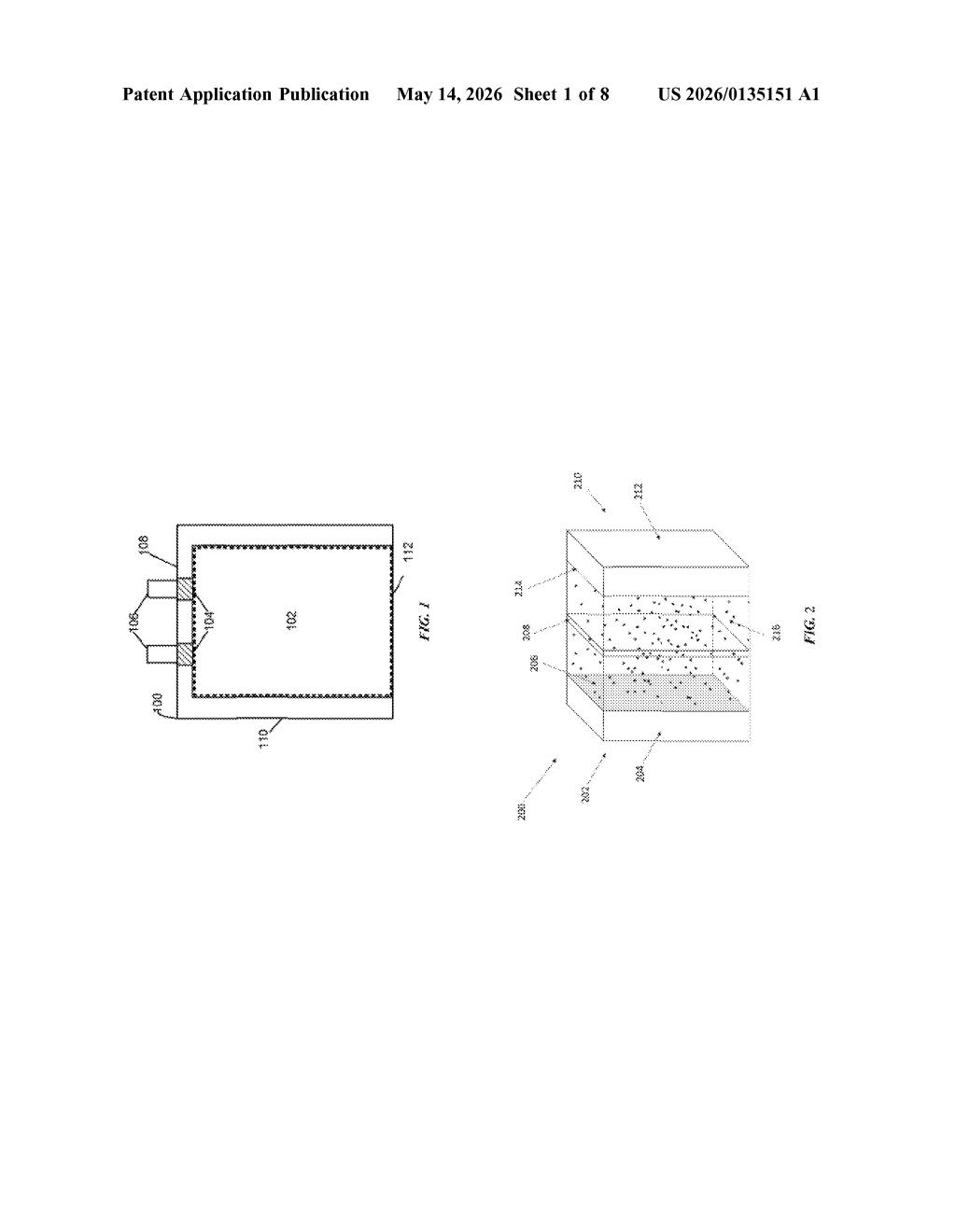
What Apple's FEC-only battery electrolyte actually does
Imagine the liquid inside your phone's battery as a kind of chemical highway that lets charged particles travel back and forth while you charge and use your device. The recipe for that liquid has stayed pretty consistent for decades, with a compound called ethylene carbonate (EC) playing a starring role. Apple's new patent proposes cutting EC out entirely.
Instead, Apple wants to use fluoroethylene carbonate (FEC) — a fluorine-laced version of the same molecule — as the sole solvent. FEC is already used in small amounts as an additive in many battery formulas, but making it the primary or only solvent is a less common approach.
The goal, broadly, is to improve how the battery holds up over many charge cycles. FEC forms a more stable protective layer on the battery's electrodes, which can mean less degradation over time. If it works at scale, your future iPhone battery might keep its capacity longer before it starts visibly aging.
How the FEC solvent replaces EC in Apple's electrolyte
The patent claims an electrolyte fluid whose solvent system contains fluoroethylene carbonate (FEC) and — critically — no ethylene carbonate (EC). That second condition is the unusual part.
Ethylene carbonate is the workhorse solvent in virtually every commercial lithium-ion battery electrolyte. It dissolves lithium salts well and helps form the SEI (solid electrolyte interphase) — a thin film on the anode that governs long-term stability. The problem is EC also contributes to gassing, capacity fade, and can be unstable at the high voltages that next-generation battery chemistries demand.
Fluoroethylene carbonate is EC with one hydrogen atom replaced by fluorine. That small change produces a chemically tougher molecule that:
- Forms a more robust and ion-conductive SEI layer on silicon or graphite anodes
- Is more oxidatively stable at higher voltages
- Reduces unwanted side reactions that cause swelling and capacity loss
Most battery engineers today use FEC as a minor additive (typically 2–10% by volume) alongside EC. Apple's filing stakes out the position that you can — and should — run on FEC alone, eliminating EC's downsides without a conventional co-solvent as a crutch.
What this means for iPhone and Apple Watch battery life
Battery longevity is one of the most complained-about aspects of consumer electronics, and Apple knows it. A chemistry that keeps capacity higher after 500 or 1,000 charge cycles would be a genuine selling point for iPhones, Apple Watches, and AirPods — all devices where battery replacement is costly or impractical for users.
This patent is also strategically interesting because it sits at the materials level, not the cell-architecture level. Apple doesn't manufacture its own battery cells, but filing electrolyte chemistry patents suggests the company is pushing its supply chain partners — likely CATL or BYD — to adopt custom formulations. That's a deeper level of vertical influence over a component Apple doesn't technically make itself.
This is a focused, technically credible filing from a team that includes serious electrochemistry researchers. It's not a moonshot — FEC-based electrolytes are well-studied in academia — but staking out an EC-free formulation as a patent claim is a real position, not just defensive IP. Worth tracking as Apple's silicon-anode ambitions (which FEC chemistry pairs well with) continue to develop.
Get our take in your Top Stories
Liked this breakdown? Add Patentlyze as a preferred source on Google, and our plain-English take shows up more often in your Top Stories the next time Apple patent news breaks.
There are more where this came from
We read every patent application Big Tech publishes and send you the ones worth knowing. Plain English, free, every week.
Want this weekly breakdown for a company we don't cover? Patentlyze Pro →