
Qualcomm Patents a System Where Your Smartwatch Pre-Warns Your Phone to Speed Up
Your smartwatch already knows data is coming before your phone does. Qualcomm wants to use that head start to make your phone process it faster and more efficiently.
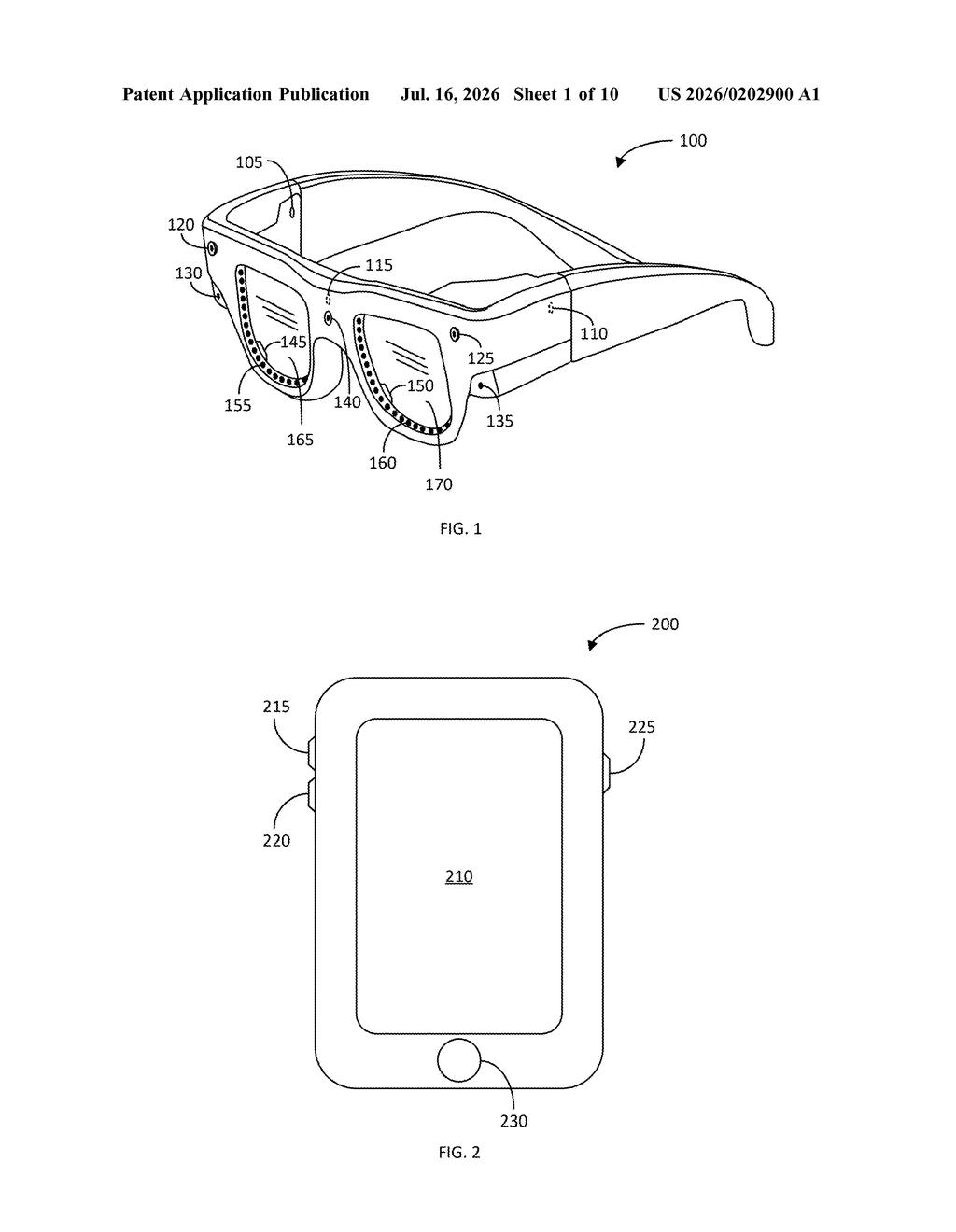
How Qualcomm's early-warning processor trick works
Imagine a restaurant kitchen that only fires up the stove when food is already at the pass. By the time the dish arrives, the pan is cold and the timing is off. That's roughly what happens today when a smartwatch sends data to a phone that isn't ready for it.
Qualcomm's patent describes a fix: the smartwatch sends a short "heads-up" signal to the phone before the actual data arrives. The phone uses that warning to crank up its processor speed so it's ready to handle the incoming workload right away, rather than scrambling to catch up after the data has already arrived.
This matters because spinning a processor up from a low-power state takes time and wastes energy if done reactively. Doing it in advance, based on a tip from the device that knows the data is coming, could mean faster processing and less battery drain on both your watch and your phone.
How the wearable signals the phone to raise its clock speed
The patent covers two paired inventions: a wearable device side and a companion device (typically a phone) side.
On the wearable, a subsystem generates the outgoing data (say, sensor readings or health metrics) and simultaneously triggers a Dynamic Voltage Frequency Scaling (DVFS) request signal. DVFS is the standard mechanism processors use to adjust their speed and voltage on the fly, trading power for performance. Instead of the phone deciding on its own when to ramp up, the watch tells it what level it will need.
That request signal travels over the wireless link before the actual data payload. On the phone side:
- The communication interface receives the DVFS request
- The phone's DVFS subsystem immediately adjusts its supply voltage and clock frequency to the requested level
- By the time the real data arrives, the processor is already running at the right speed
The key invention is the ordering: signal first, data second. It's a predictive approach rather than a reactive one, and it works because the wearable is the one generating the data and therefore knows it's coming.
What this means for smartwatch battery life and performance
For everyday users, the payoff is a phone that handles smartwatch data without the brief lag that comes from a processor waking up mid-task. Health monitoring, real-time audio, or AR applications that pipe data from a wearable to a phone could all feel more responsive.
Battery life is the subtler win. When a phone has to ramp its processor reactively, it often overshoots the needed performance level. A precise, advance request from the wearable means the phone only scales up to exactly what's needed, no more. For Qualcomm, which sells chips to both smartwatch and phone makers, this kind of coordinated power management is a concrete selling point for its platform ecosystem.
This is a genuinely useful piece of engineering rather than a flashy concept patent. The idea that the device generating the data should warn the device processing it is obvious in hindsight, which is exactly what makes good low-level system design. It won't make headlines at a product launch, but it's the kind of detail that separates a polished wearable platform from a rough one.
Get our take in your Top Stories
Liked this breakdown? Add Patentlyze as a preferred source on Google, and our plain-English take shows up more often in your Top Stories the next time Qualcomm patent news breaks.
There are more where this came from
We read every patent application Big Tech publishes and send you the ones worth knowing. Plain English, free, every week.
Want this weekly breakdown for a company we don't cover? Patentlyze Pro →