
Samsung Patents a Rechargeable Cell Designed to Slow Battery Degradation Over Time
One of the biggest unsolved problems in next-generation batteries is keeping the two main layers from degrading where they touch. Samsung's new patent tries to fix that by splitting the interface into two distinct zones, each doing a different job.
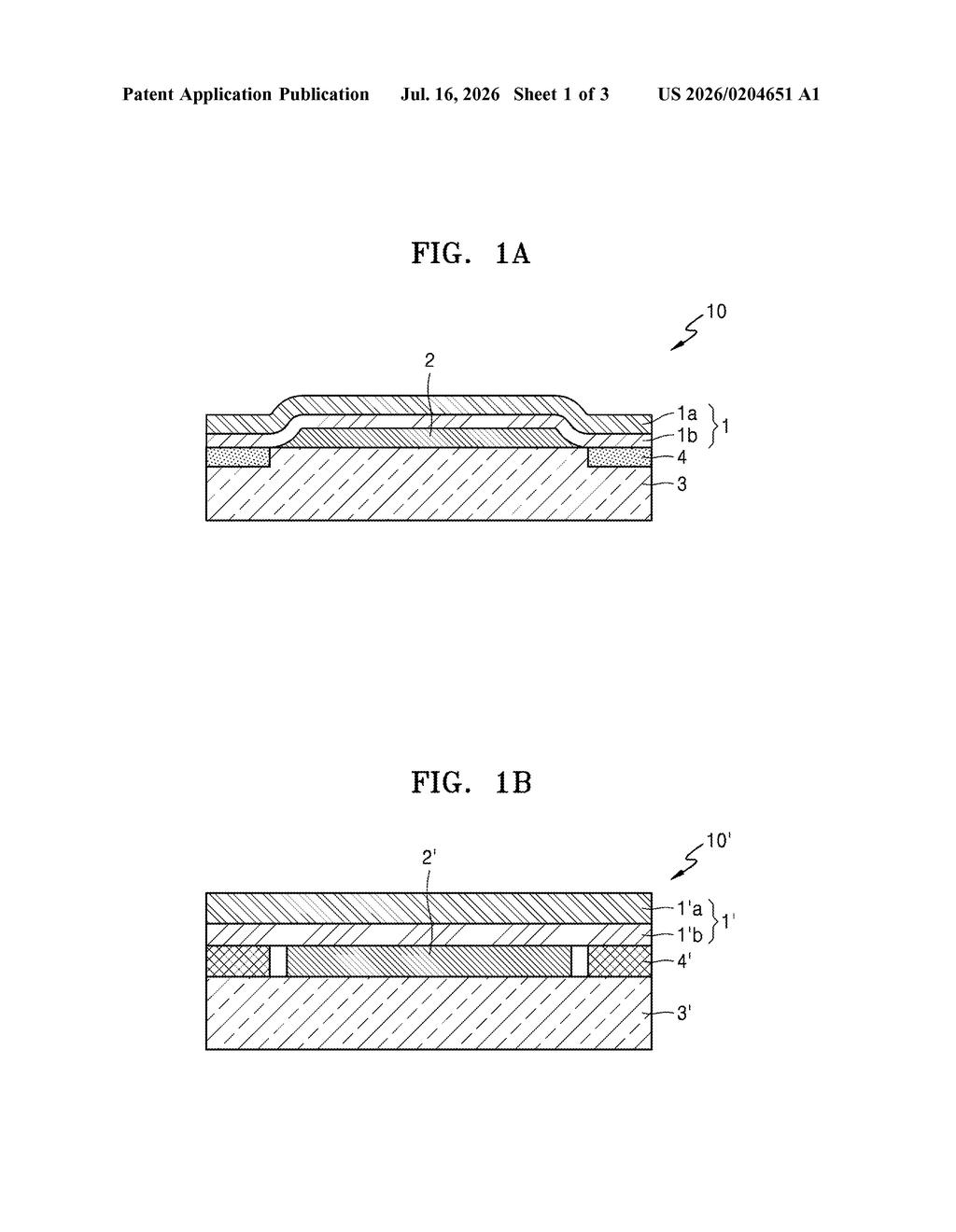
What Samsung's two-zone battery design actually does
Imagine a sandwich where the bread and the filling keep reacting with each other and falling apart. That's roughly what happens inside lithium metal batteries at the boundary between the metal anode and the electrolyte (the layer that carries charge back and forth). It's a real obstacle to making batteries that last longer and hold more energy.
Samsung's patent describes a battery that divides that problem zone into two separate regions side by side. One region gets a thin carbon-based layer to physically stabilize the contact. The other region gets filled with a liquid, gel, or polymer electrolyte to handle flexibility and keep ions moving smoothly. Together, the two zones are meant to cover weaknesses that either approach alone would leave exposed.
This is the kind of materials engineering work that happens years before a battery reaches a product. It's not a finished battery yet, it's a design approach Samsung is staking out as worth protecting.
How the carbon interlayer and electrolyte regions work together
The patent describes a lithium metal battery with a layered structure: a lithium metal anode on the bottom, a solid electrolyte layer in the middle, and a cathode on top. That middle solid electrolyte layer is the key material in solid-state batteries, which are seen as safer and more energy-dense than conventional lithium-ion cells.
The novel part sits between the anode and the solid electrolyte. Instead of a single uniform interface, Samsung's design splits it into two side-by-side regions:
- Interlayer-containing region: A thin layer of carbon-based material sits here, acting as a physical buffer to reduce direct chemical reactions between the lithium metal and the solid electrolyte.
- Interlayer-free region: No carbon buffer here; instead, this zone is filled with a liquid, gel, or polymer electrolyte. These softer materials can absorb mechanical stress and maintain ionic contact (the flow of charged particles) even when the battery expands and contracts during charging.
The logic is that a single material at the interface can't solve every problem at once. Carbon is good at blocking unwanted chemical side reactions but stiff. Liquid or gel electrolytes stay in contact with irregular surfaces but don't block reactions as well. Putting both zones side by side lets each do what it does best.
What this means for solid-state battery development
Lithium metal anodes can theoretically store far more energy than the graphite anodes used in modern batteries, but the interface between lithium metal and a solid electrolyte is notoriously unstable. Cracks form, resistance builds up, and capacity drops fast. Most of the serious work in solid-state battery research right now is about solving exactly this problem.
For Samsung, which makes batteries for its own phones and sells them to other device makers, owning design patents in this space matters strategically. If this approach or something close to it works in practice, you could eventually see longer-lasting phones, tablets, or wearables that carry more charge in the same physical space. That's not imminent, but this is the kind of foundational work that precedes it.
This is a niche materials-science filing, not a product announcement, and it won't mean anything to most readers today. But Samsung filing solid-state battery interface patents is part of a real pattern of investment in post-lithium-ion chemistry, and the dual-zone approach described here is at least a creative framing of a hard problem. Worth a note, not a headline.
There are more where this came from
We read every patent application Big Tech publishes and send you the ones worth knowing. Plain English, free, every week.
Want this weekly breakdown for a company we don't cover? Patentlyze Pro →