
Samsung Patents a Crystal Powder That Could Let Batteries Charge Without Catching Fire
Samsung is patenting a brand-new material, a lithium compound with the chemical formula LiHfNaCl6, that could serve as the ion-conducting core of a solid-state battery. It's a small molecule with a potentially large role in the race to build safer, longer-lasting batteries.
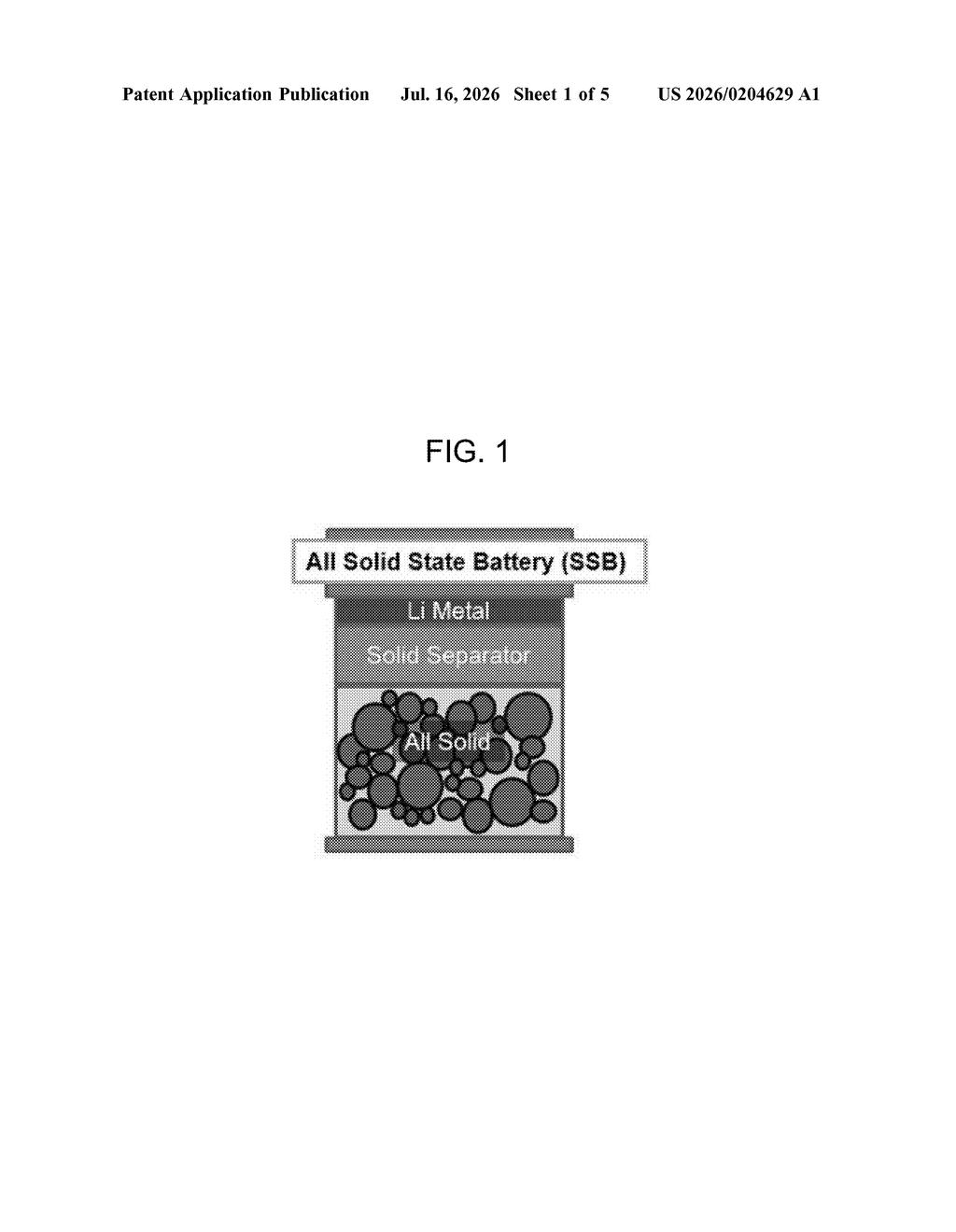
What Samsung's new battery material actually is
Inside most batteries today, a liquid helps carry electric charge between the two ends of the cell. That liquid is flammable, which is one reason batteries can sometimes catch fire. Solid-state batteries replace that liquid with a solid material, making the battery safer and potentially storing more energy.
The tricky part is finding a solid material that actually conducts electricity well enough to be useful. Samsung's patent claims a specific new compound, a mixture of lithium, hafnium, sodium, and chlorine, as one such material. The formula is LiHfNaCl6, and it can be used as the main separator layer between a battery's two electrodes, or applied as a coating to help one side of the battery work better.
This is materials-science groundwork. Samsung isn't describing a finished product here; it's staking a claim on a specific recipe that researchers believe could carry lithium ions reliably in a solid form.
How LiHfNaCl6 fits inside a solid-state battery
The patent covers a single compound, LiHfNaCl6, described as a lithium conductor, meaning it lets lithium ions flow through it, which is the basic job of any battery electrolyte.
The compound belongs to a class of materials called halide electrolytes (electrolytes built around chlorine or other halogen atoms). These have attracted research interest because they tend to be more stable against oxidation than sulfide-based solid electrolytes and easier to process than oxide ceramics.
The patent outlines three specific roles this compound can play inside a solid-state battery:
- Solid electrolyte layer: the main ion-conducting separator sitting between the cathode and anode
- Catholyte or cathode coating: mixed into or coated onto the positive electrode to improve ion flow at that interface
- Anolyte: used on the negative electrode side, particularly with alloy-based anodes (anodes made from metals like silicon or tin rather than conventional graphite)
The chemical space described, Li-Hf-Na-Cl (lithium, hafnium, sodium, chlorine), is relatively unexplored, which is the novelty Samsung is asserting. Hafnium is a dense transition metal; its role here is likely to stabilize the crystal structure that allows lithium ions to move efficiently.
What this means for solid-state battery development
Solid-state batteries are widely seen as the next major step for electric vehicles and consumer electronics, offering higher energy density and reduced fire risk compared to today's lithium-ion cells. But progress has been slow because finding solid materials that conduct ions well, stay stable during charging, and don't crack under repeated use is genuinely hard. Every new viable compound expands the palette of options engineers can work with.
For Samsung, which makes everything from smartphones to electric vehicle battery packs, having proprietary electrolyte materials on record matters competitively. If LiHfNaCl6 performs as hoped in follow-on research, this filing gives Samsung an early claim on that chemical territory. You probably won't notice this in a product for years, but patents like this are how battery roadmaps get built.
This is deep materials science, not a product announcement, and it's worth saying plainly that a single-compound patent at this stage tells you almost nothing about when or whether it ships in a real battery. That said, Samsung's investment in halide electrolyte research is real and consistent, and filing on a genuinely new chemical formula in an underexplored space is exactly what early-stage battery IP looks like. Worth tracking, not worth getting excited about yet.
There are more where this came from
We read every patent application Big Tech publishes and send you the ones worth knowing. Plain English, free, every week.
Want this weekly breakdown for a company we don't cover? Patentlyze Pro →