
Tesla Patents a Precision Trimming System for Dry Electrode Battery Manufacturing
Tesla is filing patents deep in battery manufacturing process engineering — and this one tackles one of the trickiest steps in making dry electrodes: cutting them cleanly without ruining the film.
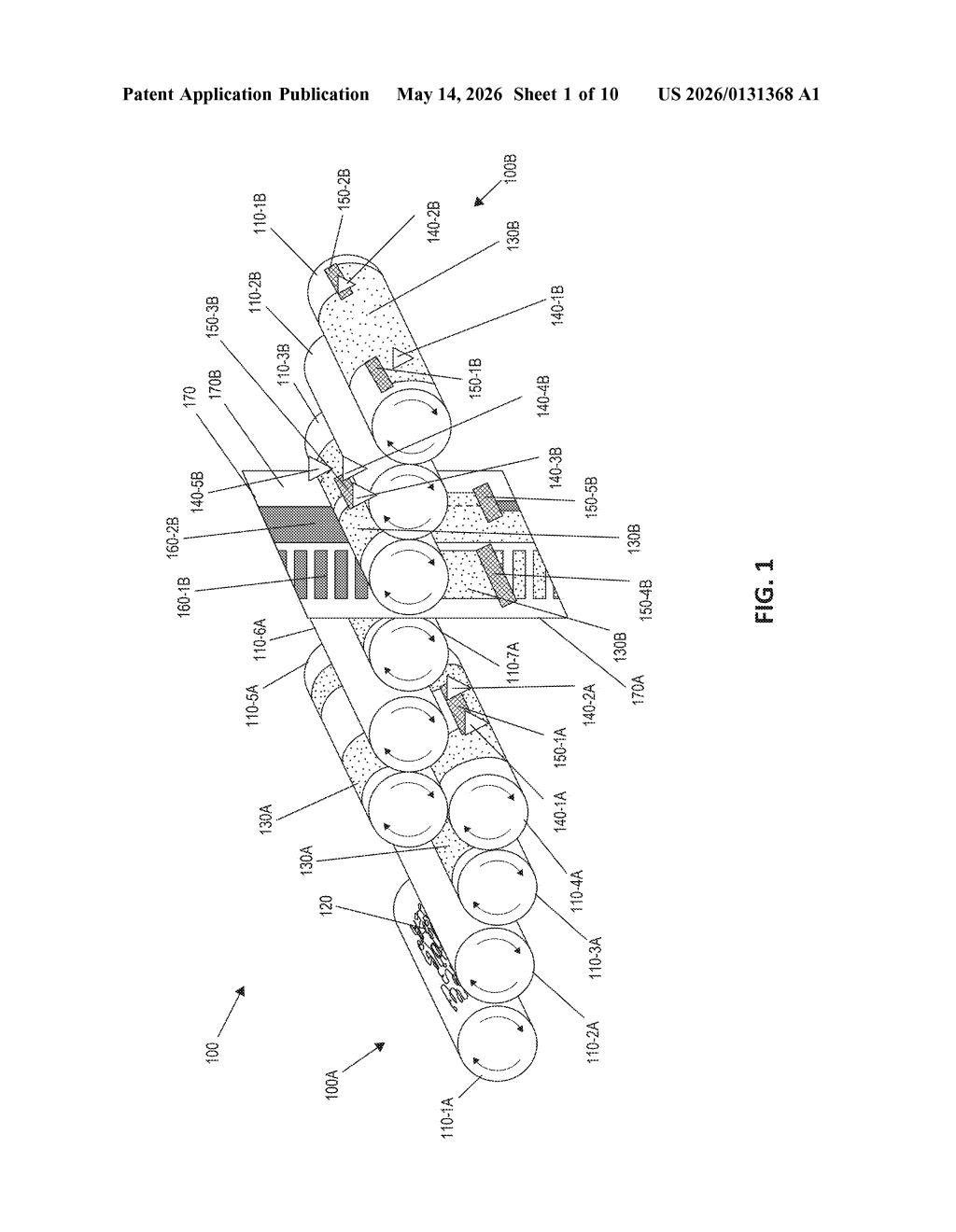
What Tesla's dry electrode trimming process actually does
Making a battery electrode is a bit like rolling out dough and then cutting it into precise shapes — except the "dough" is a dry powder film that tears and crumbles if you handle it wrong. Tesla's patent describes a machine that does this cutting automatically, on a spinning roller, while keeping the edges clean and the scraps out of the way.
The system trims the raw electrode material in two stages: first it cleans up the rough outer edges, then it cuts a pattern into the material to create multiple usable strips side by side. A scraper, a support element, and a vacuum work together to peel away the waste without disturbing the good film.
This might sound unglamorous, but electrode film quality directly affects battery performance. Ragged edges or contamination from scrap material can cause defects that reduce capacity or shorten battery life. Getting this step right at scale is a real manufacturing challenge.
How the calender roll cutting and scrap removal works
The patent describes a trimming and peeling system integrated into a calender rolling process — calender rolling is when you compress a dry powder mixture between heavy rollers to form a thin, dense film, similar to how a pasta machine works.
The process has two trimming stages:
- Edge trimming: The outer edges of the raw electrode film are cut first, removing rough or uneven material to establish a clean boundary.
- Pattern trimming: A second cut creates a repeating pattern across the width of the film, splitting it into multiple parallel electrode strips (called "multilane films") simultaneously.
After each cut, a material removing device strips away the scrap. This device combines three elements: a scraper element that lifts the waste film, a support element positioned upstream to stabilize the good material during scraping, and a vacuum element that sucks away the loose scrap so it doesn't contaminate the electrode surface.
The whole assembly is designed to run inline with the rolling process — meaning the trimming happens continuously as the film is being formed, rather than as a separate offline step. That kind of integration is key to high-volume manufacturing efficiency.
What this means for Tesla's next-gen battery production
Tesla has been public about its ambitions around dry electrode technology — a process that eliminates the toxic solvents used in conventional battery electrode manufacturing. The challenge is that dry electrode films are more fragile and harder to handle than their wet-processed counterparts, making precision cutting genuinely difficult at production scale.
This patent sits squarely in that manufacturing gap. Clean edge quality matters because electrode films are eventually laminated onto current collectors, and any contamination or irregular edges at that interface can create internal battery defects. If Tesla can solve reliable, high-speed trimming for dry electrodes, it removes one more bottleneck on the path to cheaper, cleaner battery production for vehicles and stationary storage.
This is unsexy process engineering, but that's exactly what makes it worth paying attention to. Dry electrode manufacturing is genuinely hard, and the companies that crack the production tooling — not just the chemistry — are the ones who will own the cost curve on next-gen batteries. Tesla filing patents on trimming systems suggests they're working through real manufacturing problems, not just theory.
Get our take in your Top Stories
Liked this breakdown? Add Patentlyze as a preferred source on Google, and our plain-English take shows up more often in your Top Stories the next time Tesla patent news breaks.
There are more where this came from
We read every patent application Big Tech publishes and send you the ones worth knowing. Plain English, free, every week.
Want this weekly breakdown for a company we don't cover? Patentlyze Pro →