
Samsung Patent Syncs Haptic Feedback Across Multiple Devices During Video Playback
Imagine watching a sports clip on your phone and feeling each player's movement through a different device in the room. That's the core idea behind Samsung's latest patent.
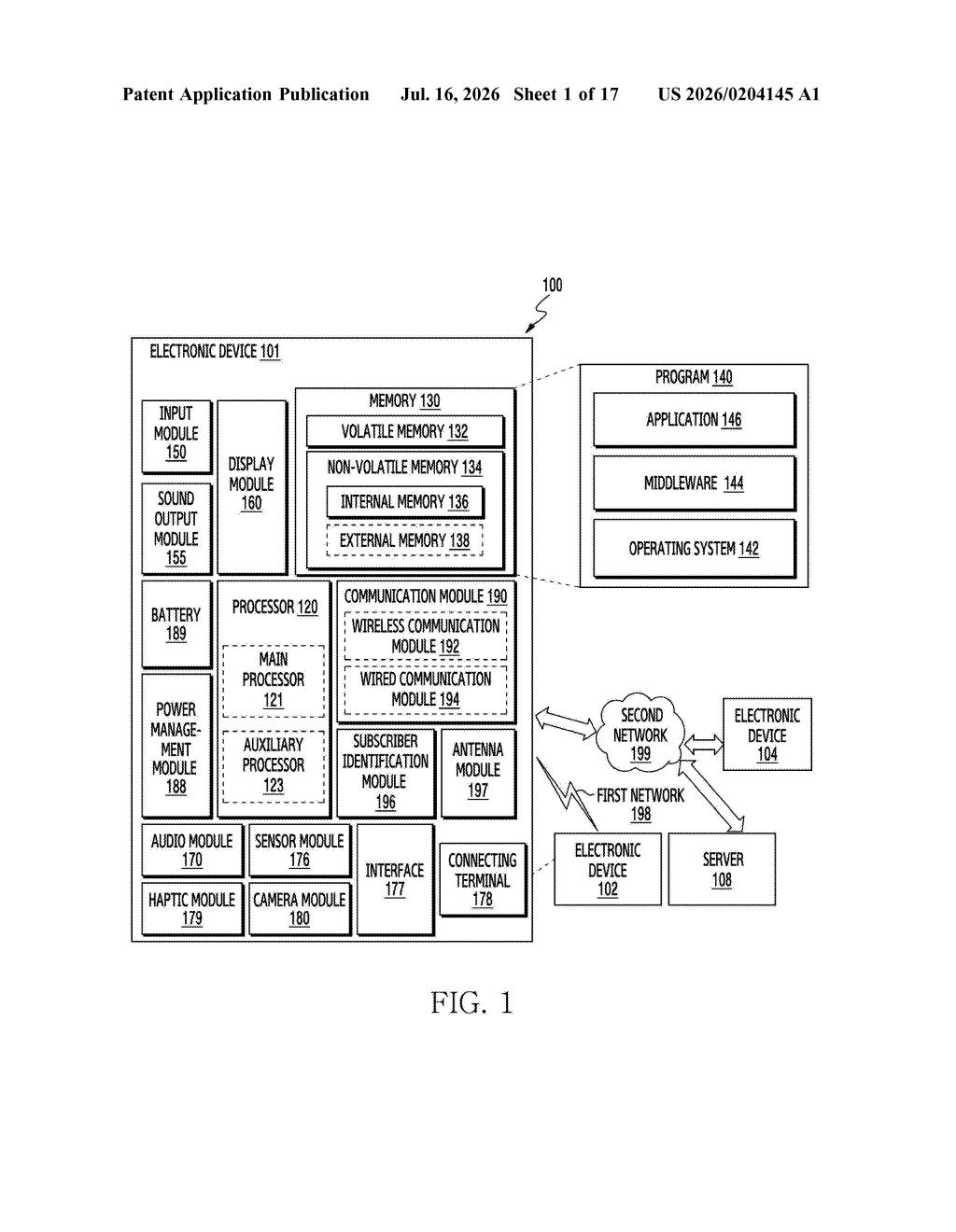
What Samsung's multi-device haptic sync actually does
Picture this: you're watching a video of someone throwing a punch, kicking a ball, or swinging a tennis racket. Now imagine that instead of just seeing it, the devices around you each vibrate in a way that maps to a specific person or object in that video. That's what Samsung is working toward.
The patent describes a central device, likely a phone or tablet, that watches a video, figures out what objects or people are moving in it, and then sends tailored vibration instructions to a group of connected devices. Each device in the group gets assigned to one specific object. When you press play, they all buzz in sync.
This isn't just about making your phone shake. It's about distributing the physical sensation of a video across several devices at once, so that a group of people watching together could each feel a different part of the action through their own device.
How Samsung assigns objects to devices and fires the vibrations
The system starts with a primary electronic device, a phone or tablet, that captures or loads a video. It then pulls in haptic data (vibration patterns and timing cues) that correspond to the movements of objects or people in that video.
The device then forms a group of connected external devices using wireless communication, think other phones, wearables, or haptic controllers nearby. Each external device is assigned one specific object from the video. For example, if the video shows two players, one device might be assigned to player A, another to player B.
Once the user hits play, the central device sends a synchronized start signal to all the grouped devices at the same time. Each device then outputs the haptic pattern it was given, specific to its assigned object, in time with the video.
The key technical move here is the one-to-one assignment of objects to devices, plus the coordinated trigger signal. This means every device in the group is doing something slightly different, rather than all vibrating the same way at the same moment.
What this means for shared viewing and wearable haptics
Right now, haptic feedback in consumer devices is almost entirely a solo experience: your phone buzzes when you get a notification, or a game controller rumbles when you crash. This patent points toward something more social, where a shared viewing experience has a physical layer that's distributed across the people in the room, each person feeling a different character or object through their own device.
For Samsung, this could connect to its Galaxy ecosystem: phones, tablets, watches, and haptic earbuds all working together during a watch party or a fitness coaching session. The practical applications aren't quite there yet in consumer hardware, but this filing shows Samsung is thinking about haptics as a networked, coordinated feature rather than a single-device novelty.
This is a genuinely interesting idea, but it depends entirely on whether Samsung can get enough compatible haptic-capable devices in the same room at the same time. The concept is fun to think about for sports broadcasts or interactive fitness apps, but the chicken-and-egg problem of needing multiple devices makes real-world adoption a stretch for now.
There are more where this came from
We read every patent application Big Tech publishes and send you the ones worth knowing. Plain English, free, every week.
Want this weekly breakdown for a company we don't cover? Patentlyze Pro →