
Sony Patents a Controller That Logs You Into Your Console Using Your Phone
Sony is exploring a login system where your PlayStation controller detects that your phone is nearby and automatically handles the sign-in — no typing required.
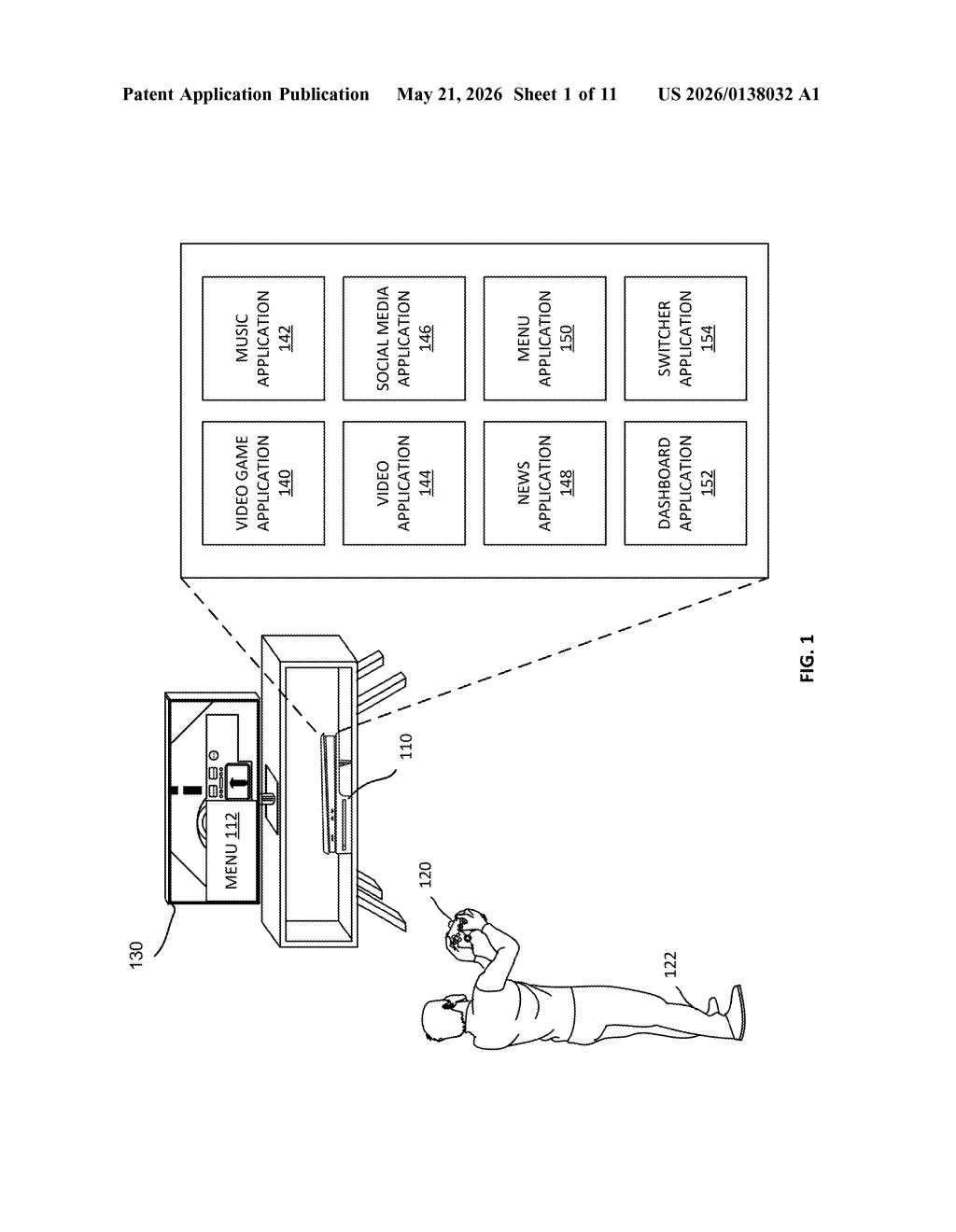
How Sony's proximity-based console login would work
Imagine you sit down on the couch, pick up your PlayStation controller, and the console just... logs you in. No navigating menus, no typing a password with a thumbstick. That's the experience Sony is patenting here.
The idea is simple: when your console needs someone to log in, it tells the controller. The controller then checks whether your phone is nearby — using proximity detection, probably Bluetooth. If your phone is close enough, the controller requests your login credentials from it and sends them straight to the console.
For households with multiple profiles, this could be a genuine quality-of-life fix. Instead of selecting "which user are you?" every time you pick up a controller, the controller figures it out based on whose phone is in the room.
How the controller detects your phone and pulls credentials
The patent describes a four-step handshake between three devices: the video game console, the controller, and the player's phone (or other electronic device).
- The console detects a login event and sends a notification to the controller over its existing wireless link.
- The controller checks whether a known electronic device is within a predetermined distance — think Bluetooth proximity, though the patent doesn't lock in a specific technology.
- If a nearby device is found, the controller emits a signal to it. The phone acknowledges receipt in a second notification back to the controller.
- Armed with that confirmation, the controller fetches the player's login credentials and transmits them to the console as the login response.
The key architectural choice here is that the controller acts as the authentication broker — not the phone, not the console. The controller is the trusted middleman that both sides talk through. This means the phone never needs a direct connection to the console, and the console doesn't need to know anything about Bluetooth proximity detection.
What this means for shared PlayStation consoles
Shared gaming consoles are still the norm in a lot of households, and multi-profile login friction is one of those small annoyances that adds up fast. Every time a different family member picks up a controller, someone has to navigate a UI to switch accounts. Sony's approach essentially turns the physical act of picking up your controller — assuming your phone is nearby — into a passive authentication gesture.
There's also a security angle worth noting: proximity-based login means you generally have to be physically present to authenticate, which is a meaningful constraint compared to a saved password that anyone can select from a menu.
This is a genuinely useful UX patent — the kind of small friction removal that sounds obvious in hindsight but requires real engineering to thread through three separate wireless communication layers. Sony has one inventor credited here, Alicia Sedlock, which suggests this is a focused, concrete proposal rather than a broad IP land-grab. If this ships, it'll quietly make PlayStation feel noticeably more polished for multi-user households.
Get our take in your Top Stories
Liked this breakdown? Add Patentlyze as a preferred source on Google, and our plain-English take shows up more often in your Top Stories the next time Sony patent news breaks.
There are more where this came from
We read every patent application Big Tech publishes and send you the ones worth knowing. Plain English, free, every week.
Want this weekly breakdown for a company we don't cover? Patentlyze Pro →