
Nvidia Patent Targets Child Detection Across Every Vehicle Seat and Footwell
A child left in a hot car is one of the most preventable tragedies in automotive safety. Nvidia has filed a patent describing a detection system that watches every corner of a vehicle's interior differently, adjusting what sensor data it uses based on exactly where a child might be hiding.
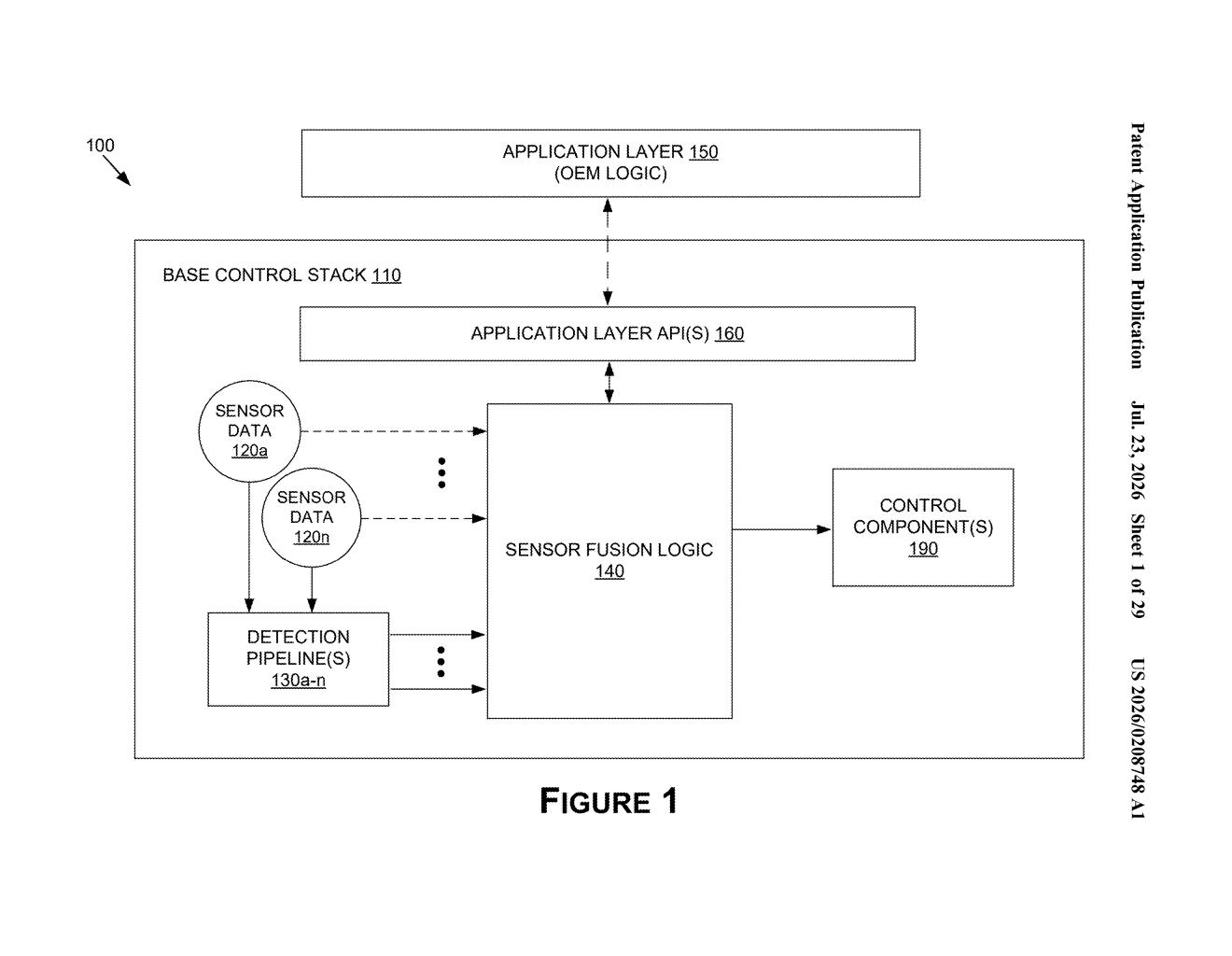
How Nvidia's seat-by-seat child detection works
Imagine a fully self-driving car dropping off its passengers and then parking itself. Before it locks up and shuts down, it needs to know: is anyone still inside, especially a child? That's the problem this patent tries to solve.
Nvidia's system doesn't treat every seat the same way. A camera or sensor pointed at the front passenger seat looks for things like the size of whoever is sitting there to estimate whether it's an adult or a child. But a camera pointed at the footwell, where a child might be crouching or sleeping, uses completely different rules, because size-based guessing doesn't make sense in that spot.
By combining multiple sensor types and applying different logic depending on the specific location being checked, the system produces a single yes-or-no answer: is a child present in this part of the car? Once it knows, the car can take action, like refusing to lock, sounding an alert, or contacting someone.
Inside the slot-dependent sensor fusion pipeline
The patent describes what Nvidia calls slot-dependent sensor fusion. The vehicle's interior is divided into occupant slots (front seats, rear seats, footwells, and so on), and each slot gets its own customized detection pipeline.
For a front-row seat, the system can use size-based age estimation: if the detected occupant is small enough, it flags the presence as a possible child. That logic makes sense for a seat where a person is visible and upright.
For a footwell, that same size logic would produce bad results (a bag, a jacket, or a child curled up look very different there), so the system switches to different detection rules tuned for that geometry.
The outputs from multiple sensor types (which could include cameras, radar, thermal sensors, or others) are then fused together (meaning combined and weighted) using logic specific to that slot. The result is a single unified yes-or-no signal: child detected here, or not. That signal then triggers whatever safety action the vehicle is programmed to take.
- Each seat or zone gets its own detection logic
- Multiple sensor types are combined per zone, not globally
- The final output is a unified presence flag that drives vehicle behavior
What this means for autonomous vehicle child safety
Child heatstroke deaths in parked cars are a well-documented problem, and as autonomous vehicles become capable of operating without a human driver present, the risk of a child being left behind without anyone noticing increases. A detection system that fails in the footwell or rear seat is not much better than no system at all.
For Nvidia, this is also part of a broader push to embed safety-critical AI logic directly into the compute platforms it sells to automakers. The DRIVE platform, Nvidia's automotive AI stack, is already used by multiple car brands, so a patent like this points toward cabin monitoring becoming a standard feature rather than an aftermarket add-on. If you're a parent buying a vehicle with any level of autonomous capability in the next few years, this is the kind of background system you'd want running.
This is genuinely important safety work, not a flashy feature. Child detection in parked autonomous cars is a real problem that gets worse as vehicles gain the ability to drive and park themselves without a human present. The insight that different parts of the cabin need different logic is the kind of practical engineering detail that separates a system that actually works from one that just demos well.
There are more where this came from
We read every patent application Big Tech publishes and send you the ones worth knowing. Plain English, free, every week.
The drawings
29 drawing sheets from US 2026/0208748 A1 · click any drawing to enlarge


Want this weekly breakdown for a company we don't cover? Patentlyze Pro →
Be the first to weigh in