
Apple Patents a System That Shares Content Between Devices When They're Near Each Other
Apple has filed a patent for a system that watches what you have selected on one device and, when a second device gets close enough, automatically prompts you to share it. No tapping through menus, no scanning QR codes.
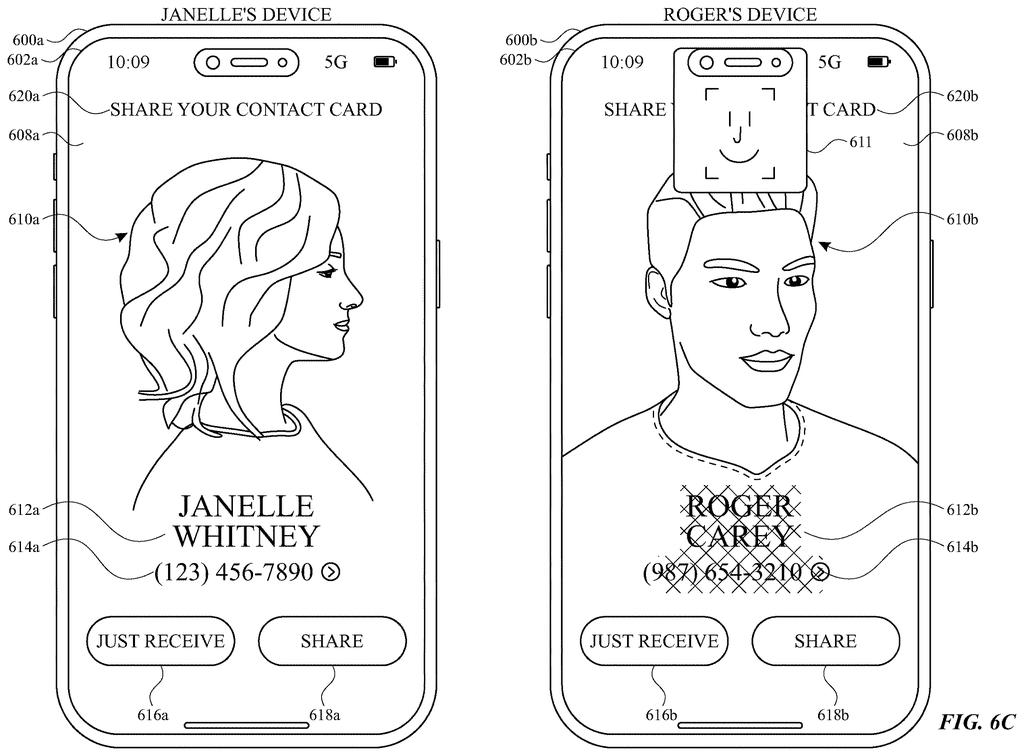
What Apple's proximity-based content sharing actually does
Today, sending something from one device to another usually means hunting through share menus, opening an app, or hoping AirDrop cooperates. Apple's patent describes a different approach: the device pays attention to what you have highlighted or selected, and once a second device gets physically close enough, it surfaces a sharing prompt on its own.
The system requires a set of conditions to be met before anything happens. The most concrete one is distance: the two devices have to be within a certain physical range of each other. Only then does the prompt appear and, at the same time, the thing you had selected is shown differently on screen, so you can see what is about to be shared.
This is the kind of friction-reduction that sounds small until you use it. Instead of a multi-step handoff, you walk one device near another and the system figures out the rest.
… obtaining an indication that a set of content-sharing criteria is met, wherein the set of content-sharing criteria includes a set of position criteria that requires that a physical distance between the first computer system and a second computer system satisfies a distance threshold; …
Translation: The system checks if devices are close enough to each other before sharing anything.
How the system detects distance and triggers the share prompt
The patent describes a first computer system (think an iPhone or iPad) that keeps track of whatever content is currently designated, meaning selected, highlighted, or otherwise in focus, and watches for conditions that would make sharing it to a nearby second device appropriate.
Those conditions are bundled into what the patent calls a set of content-sharing criteria. One required element is a position criterion: the physical distance between the two devices must fall below a defined threshold. The idea is that physical proximity signals intent. If you hold one device near another, the system treats that as a cue that you might want to hand something off.
When all the criteria are satisfied, two things happen at once:
- A sharing prompt appears, offering to send the currently selected content to the second device.
- The on-screen representation of that content changes, so the display looks different from how it looked before the prompt appeared, giving you visual confirmation of what is queued to be shared.
The patent does not pin down exactly how distance is measured (Bluetooth signal strength, Ultra Wideband, or something else), nor does it specify what kinds of content qualify. The claim is written broadly enough to cover text, images, files, or other data.
The present disclosure generally relates to transferring content between computer systems.
Translation: Apple's patent describes a method for moving files or media smoothly from one gadget to another.
What this means for moving content between Apple devices
If this makes it into a product, the practical change is that you stop managing the handoff yourself. Right now, moving something from your phone to your laptop involves choosing a share method, confirming on both ends, and hoping the transfer goes through. A system that detects proximity and prepares the transfer in advance collapses several steps into one physical gesture: bring the devices together.
The design fits into Apple's broader pattern of using hardware sensors to infer what you are probably about to do next, rather than making you announce it through menus. Whether it works smoothly in noisy real-world environments, where distances shift and devices move around constantly, is the open question that determines whether this lands as a genuine improvement or a novelty that misfires too often.
That makes this Apple's 21st filing we've tracked since May in our device-to-device handoff watchlist, building on pushing content across devices and keeping data off shared screens.
The automatic trigger is where this design makes its biggest bet and takes its biggest risk. Closeness alone is supposed to tell the system when you mean to share something, but in a house or office where your devices already sit near each other all day, that signal is easy to misread. The cost of that ambiguity is accidental transfers, and it is not a small cost.
Showing a visual change on screen before anything moves is the right way to let people back out, because it surfaces the decision without forcing anyone into a settings menu. But a prompt that fires constantly trains people to dismiss it without reading it, which removes the protection entirely. That trade reads as marginal at best.
The patent leaves sensors and content types deliberately vague, which is smart legal positioning but honest proof that the hardest part of this problem is still open. Broad claims protect the idea; they do not mean the idea works yet.
There are more where this came from
We read every patent application Big Tech publishes and send you the ones worth knowing. Plain English, free, every week.
The drawings
50 drawing sheets from US 2026/0281681 A1 · click any drawing to enlarge


Want this weekly breakdown for a company we don't cover? Patentlyze Pro →