
Apple Patents a System for Sharing Content Across Different Apple Accounts
If you've ever tried to watch something from a family member's Apple TV while logged into your own account, you know the friction. Apple's new patent describes a way to bridge two separate Apple ID accounts so one device can securely present content from another user's ecosystem.
What Apple's cross-account content sharing actually does
Imagine you're a guest at a friend's house and want to watch something on their Apple TV — but you're logged into your own Apple account on your phone. Right now, that's an awkward dance of logging out, logging back in, or huddling over one screen. Apple's new patent describes a smarter handshake between devices on different Apple accounts.
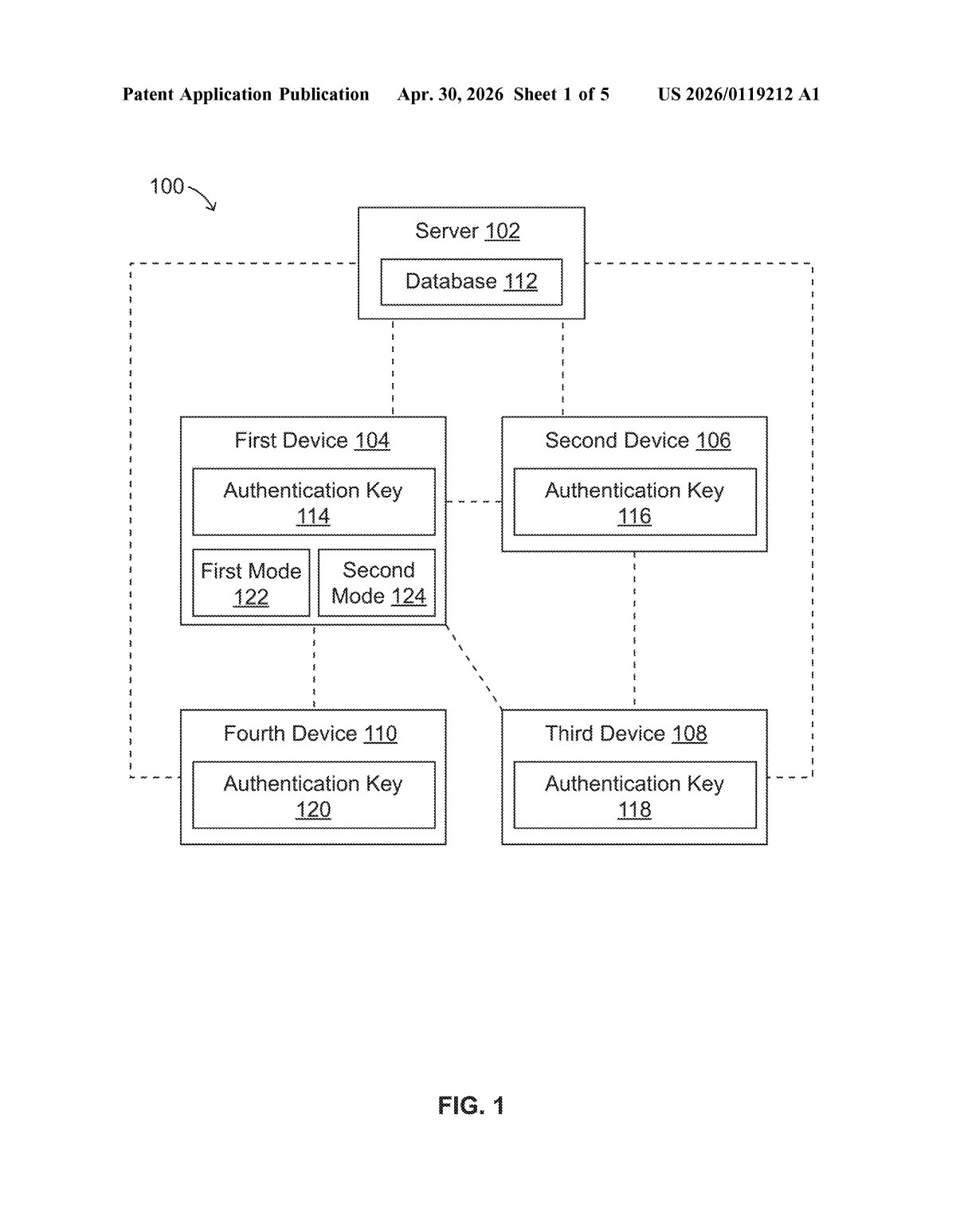
Here's the basic idea: your iPhone and your friend's iPhone first connect and swap special authentication keys — essentially digital permission slips. Once your device has those keys, it can recognize and securely pull content from your friend's Apple TV (a third device tied to their account) without either of you needing to share passwords or log out of anything.
Think of it like a short-term guest pass baked into the device layer. You get access to their content on your terms, and the whole thing stays cryptographically secure. It's the kind of seamless sharing Apple loves to pitch in its ecosystem story.
How the authentication key exchange links two Apple IDs
The patent describes a three-device handshake that bridges two separate Apple ID accounts. Device one (say, your iPhone) establishes a secure connection with device two (your friend's iPhone). Over that connection, your friend's iPhone sends over authentication keys — including a key tied to a third device, like their Apple TV, which is also associated with your friend's Apple ID.
Once your iPhone holds that third-device key, it listens for Bluetooth or local network advertisements (low-power broadcasts that devices use to announce their presence nearby). When it detects the Apple TV broadcasting that same authentication key, it treats the broadcast as a trusted signal and initiates a secure, direct connection to receive content.
The claim language is careful: content is only presented when one or more criteria are satisfied — meaning Apple is building in policy gates, not just a blanket pass. Those criteria could include proximity, time limits, explicit user approval, or parental controls, though the patent doesn't lock down specifics.
- Device A (your iPhone) pairs with Device B (friend's iPhone) and receives keys
- Device A detects Device C (friend's Apple TV) advertising the known key
- Device A establishes a direct connection to Device C and presents its content
What this means for families sharing Apple devices
For families and shared households, this could finally make the Apple ecosystem feel less siloed. Today, Family Sharing covers purchases but doesn't elegantly handle the scenario where different people own different devices and want to share a streaming session or a media library without credential juggling. If this system ships, you could hand a guest access to your Apple TV content from your iPhone handshake alone — no passwords, no profile switching.
It's also worth noting the broader strategic angle: Apple has been steadily building out its device-to-device trust infrastructure (think AirDrop, Handoff, SharePlay). This patent extends that logic across account boundaries — a meaningful leap — and could underpin future features in tvOS, iOS, or a revamped Family Sharing experience.
This is a genuinely useful problem to solve, and Apple's approach — bootstrapping cross-account trust through a phone-to-phone key exchange rather than a server roundtrip — is elegant. It's not a flashy AI patent, but it's the kind of plumbing that makes an ecosystem feel polished. If it ships in something like a 'Guest Access' mode for Apple TV, everyday users will notice.
There are more where this came from
We read every patent application Big Tech publishes and send you the ones worth knowing. Plain English, free, every week.
Want this weekly breakdown for a company we don't cover? Patentlyze Pro →