
IBM Patents an LLM Loop That Fixes Its Own Failing API Tests
Writing test cases for APIs is tedious — and when they fail, debugging them is even worse. IBM wants to hand that entire feedback loop to an LLM and let it fix its own mistakes.
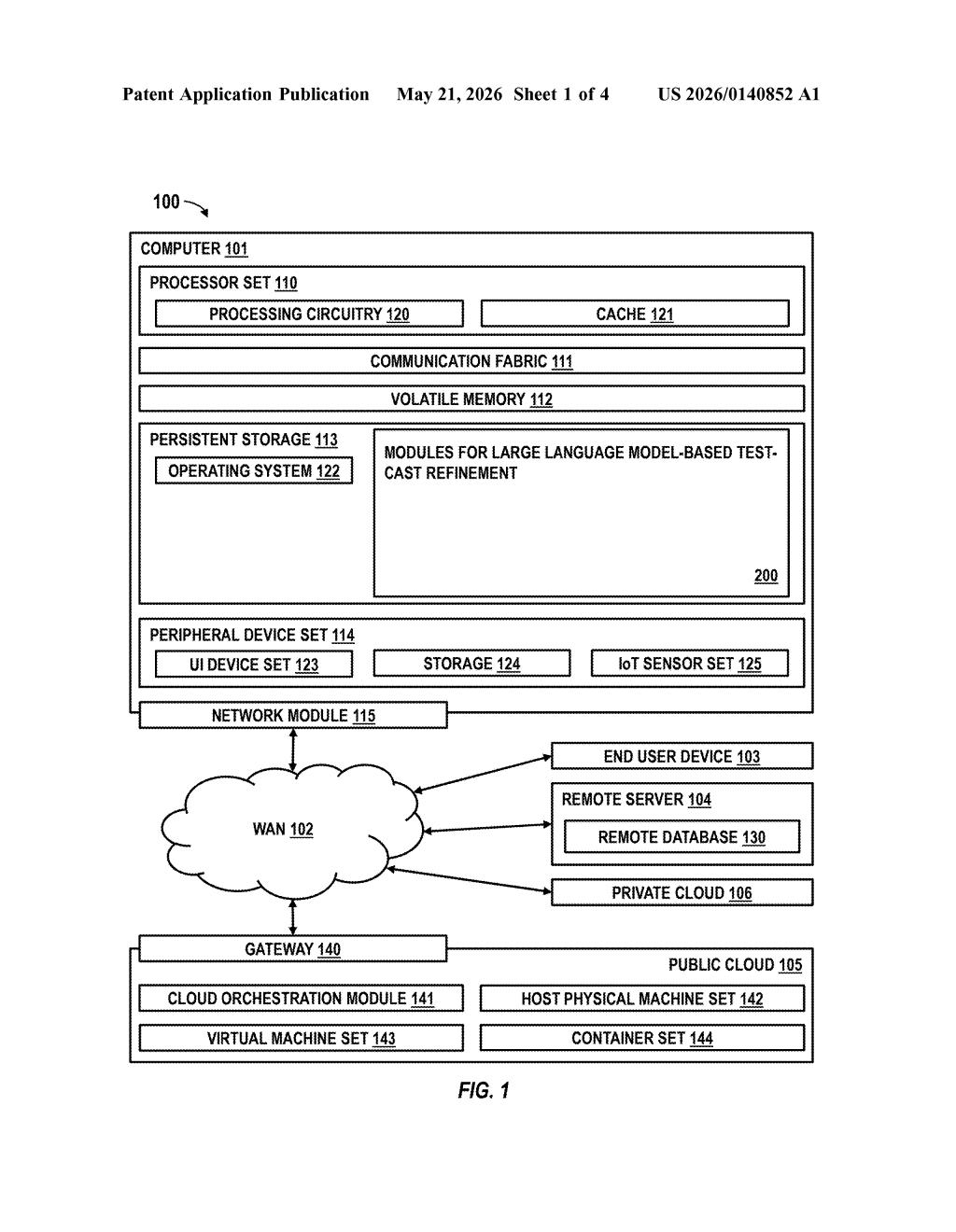
What IBM's self-correcting API tester actually does
Imagine you're building an app that talks to a web service — say, a payment API. You write a bunch of automated tests to make sure the API behaves correctly, but half of them fail with cryptic error codes. Normally, you'd spend hours manually reading through the errors, tweaking the tests, and possibly rewriting the API's documentation too.
IBM's patent describes a system that automates exactly that painful loop. It takes your existing API specification (the document describing how the API works), the tests that already failed, and the actual error responses — then feeds all of that into an LLM. The model spits back both a fixed set of test cases and a corrected version of the API spec.
The clever part is that it doesn't just patch the tests in isolation. If the spec itself was incomplete or wrong — which is surprisingly common with real-world APIs — the LLM updates that too. It's a closed feedback loop where the tests and the documentation evolve together.
How the LLM refines test cases and rewrites the spec
The system centers on a prompt generator that constructs a "scenario-specific prompt" — not a generic ask, but one tailored to the exact error context. That prompt bundles three things together: the OpenAPI specification (a structured, machine-readable document describing endpoints, parameters, and expected responses), the failing test cases, and the HTTP error codes returned when those tests ran.
All of that goes into the LLM, which is tasked with doing two jobs simultaneously:
- Generating a modified set of test cases that should pass where the old ones failed
- Producing a modified API specification that more accurately describes the API's real behavior
The patent notes this is especially useful when the original spec is incomplete or incorrect — a common real-world scenario where the API's actual behavior has drifted from its documentation. The whole thing plugs into an Integrated Development Environment (IDE), so the revised tests can be automatically re-run without the developer manually intervening.
The key architectural insight is treating the spec as a living document that the LLM can edit, not just a static input it reads from.
What this means for automated software testing pipelines
For developers who work with third-party or internal APIs, this kind of automated refinement loop could meaningfully reduce the toil of keeping test suites healthy as APIs evolve. Right now, when an API changes or was never documented correctly, you have to manually reconcile the spec, the tests, and the errors — a process that's easy to get wrong and easy to skip.
IBM is positioning this squarely inside IDE workflows, which suggests the target is enterprise developers already using tools like VS Code or Eclipse with AI integrations. If this works reliably in practice, it could blur the line between "the API is broken" and "the test was wrong" — letting the LLM sort out which is which.
This is a practical, unglamorous application of LLMs to a real developer pain point — API test maintenance is genuinely annoying and widely neglected. The dual output (fixed tests plus fixed spec) is the smartest part of the design. That said, IBM is entering a crowded space where GitHub Copilot, Cursor, and a dozen AI testing startups are already iterating fast, so the race here is about execution, not novelty.
Get our take in your Top Stories
Liked this breakdown? Add Patentlyze as a preferred source on Google, and our plain-English take shows up more often in your Top Stories the next time IBM patent news breaks.
There are more where this came from
We read every patent application Big Tech publishes and send you the ones worth knowing. Plain English, free, every week.
Want this weekly breakdown for a company we don't cover? Patentlyze Pro →