
Microsoft Patents a Shared Multi-User AI Chat Session for Copilot
Imagine a Google Doc, but the document is an AI conversation — and everyone on your team can read it, contribute to it, and pick it back up tomorrow. That's essentially what Microsoft is patenting here.
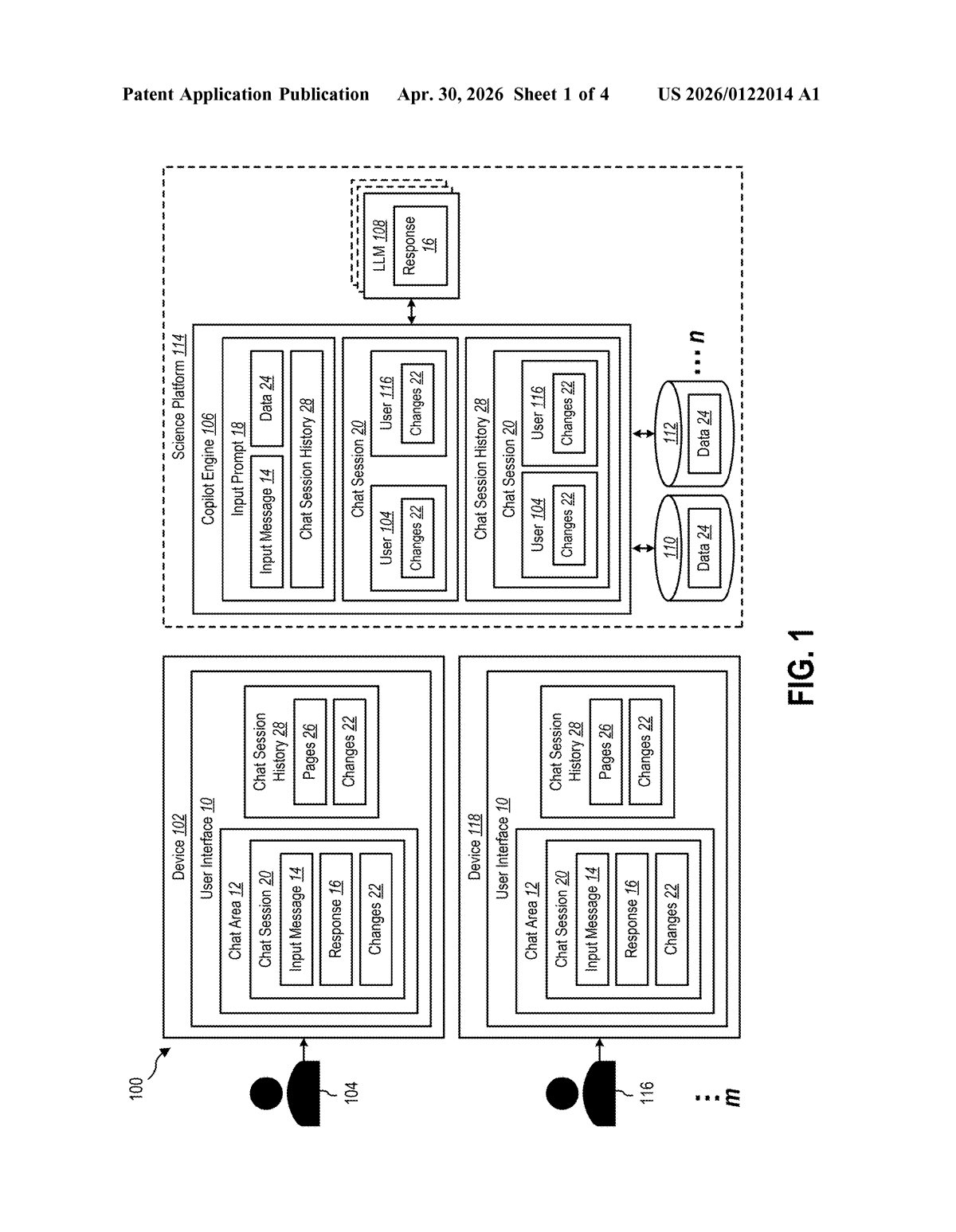
What Microsoft's collaborative Copilot chat session actually does
Right now, an AI chat session like Copilot is a private, one-on-one conversation between you and the model. You ask questions, it responds, and nobody else sees any of it. Microsoft's patent describes a system where multiple people can share the same AI chat session simultaneously — so your whole team is looking at the same conversation thread.
Anyone in the group can send a message, and the AI incorporates everyone's contributions into its responses going forward. It's not just a read-only view — it's genuinely collaborative. If your colleague asks the AI to change direction or add a constraint, the model will factor that in when you send your next message.
The session also gets saved automatically so the group can resume the conversation later, picking up exactly where they left off — full history intact. Think of it like a persistent, team-owned AI thread rather than a throwaway chat.
How the shared session state and history get maintained
At its core, the patent describes a system for providing a single chat session — backed by a large language model (LLM) — to multiple users at once, with real-time synchronization of any changes any user makes.
Here's how the key mechanics work:
- Shared access: Multiple users are granted access to one chat session. Every participant can see the same conversation state.
- Live updates: When any user sends a message or otherwise modifies the session, those changes are immediately propagated to all other participants and to the LLM itself — so the model is always responding in context of the full group's contributions.
- Stateful history: All changes are stored in a chat session history that preserves the complete state of the conversation over time. This isn't just a log — it's the model's working memory for the session.
- Resume capability: The group can close the session and return to it later, with the LLM picking up from the exact state it was in, using that stored history as context.
The claim language is deliberately broad — it covers any number of users, any LLM, and doesn't constrain how changes are received or how state is stored. That breadth is intentional for a foundational filing.
What this means for Copilot in Microsoft 365 team workflows
For Microsoft, this is a natural extension of its real-time collaboration philosophy — the same idea that made Google Docs feel magical is now being applied to AI chat. If Copilot is going to become a first-class productivity tool in Teams and Microsoft 365, it needs to work the way teams actually work: together, asynchronously, across time zones.
For you as a user, the practical upshot is that AI chat stops being a personal scratch pad and becomes a shared team resource. That's a meaningful shift. It means a project manager could start a Copilot session to draft a spec, a designer could jump in and refine the requirements, and an engineer could resume it the next morning — all without losing the thread or re-explaining context to the model.
This is a genuinely useful idea that addresses a real friction point in collaborative AI workflows today. The patent is broad and foundational rather than technically novel, which means Microsoft is essentially planting a flag on the concept of 'shared AI chat state' early. Whether the implementation turns out to be interesting depends entirely on the details — sync conflicts, permissions, and context window limits are all hard problems the patent politely ignores.
There are more where this came from
We read every patent application Big Tech publishes and send you the ones worth knowing. Plain English, free, every week.
Want this weekly breakdown for a company we don't cover? Patentlyze Pro →