
Qualcomm Patents a System That Generates Video When Your Stream Cuts Out
Instead of freezing or buffering when your internet hiccups, Qualcomm's new patent describes a device that quietly generates its own replacement video to fill the gap — and keeps playing.
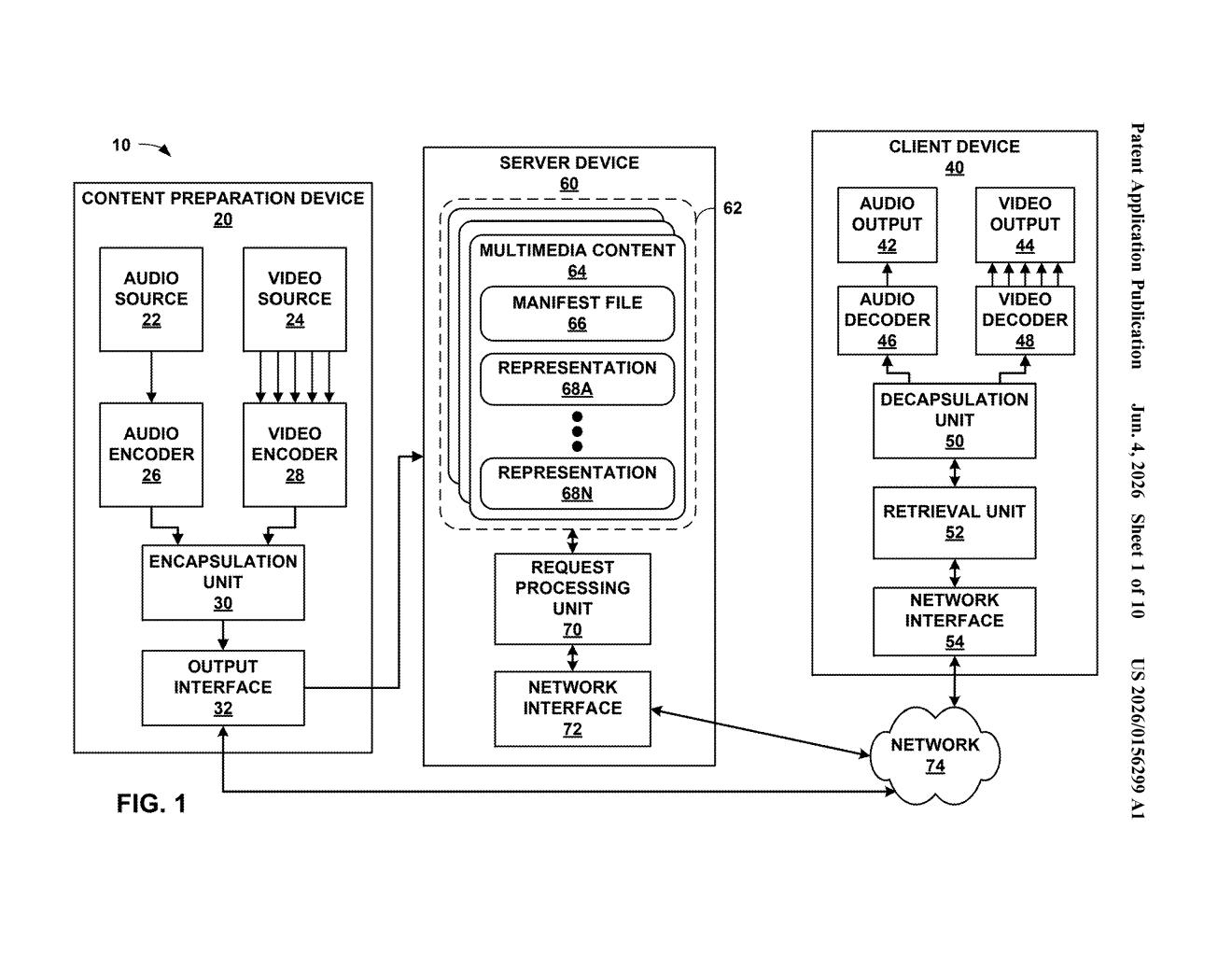
What Qualcomm's on-device video gap-filling actually does
Imagine you're watching a live sports stream on your phone and you walk into an elevator. For most devices, that means a frozen frame or a spinning buffer wheel until the signal returns. Qualcomm's patent describes a different approach: the device predicts what should come next and generates it on the fly.
Here's the key twist: the server sending the video can actually tell your device in advance that the next chunk of video isn't going to arrive on time. When your device gets that heads-up, it uses the video it already has to synthesize replacement footage and keeps playback running.
The generated content isn't pulled from the internet — it's created locally, on your device, using the frames you've already received. When the real video arrives again, the device switches back seamlessly. Think of it as a very short-term creative patch job your phone does without you ever noticing.
How the client device predicts and renders missing frames
The patent describes a client-server handshake where the source device (the streaming server) proactively signals to the client device (your phone, TV, or tablet) that an upcoming segment of the media bitstream will be delayed or unavailable. This is different from a passive timeout — the server is actively saying "don't wait for me, go generate something."
On receiving that signal, the client enters a predictive generation mode. Using a subset of already-received media data — essentially recent video frames — it synthesizes replacement media data to fill the gap. The patent doesn't mandate a specific generation algorithm, leaving room for anything from frame interpolation to more sophisticated generative AI inference (on-device models that produce new frames from context).
The system then presents the original received content and the synthesized replacement content as a continuous stream. Key components include:
- A media bitstream receiver that monitors incoming data and gap signals
- A replacement media generator that runs locally in circuitry
- A presentation layer that stitches original and generated content together
The claim structure suggests this works at the network protocol layer, meaning the server-to-client signaling is a formal part of the communication — not just a client-side guess about latency.
What this means for mobile streaming and poor-signal playback
Buffering is one of the most persistent pain points in mobile video, especially in live streaming where you can't pre-load ahead. This patent puts the intelligence at the edge — on your device — rather than relying on the network to recover. For Qualcomm, whose Snapdragon chips power the majority of Android flagship phones, this kind of on-device AI task is a natural fit for the company's NPU (neural processing unit) capabilities.
The server-side signaling angle is worth noting: it implies a broader ecosystem shift where content delivery networks would need to support this protocol for it to work end-to-end. That's a real adoption hurdle. But for controlled environments — think video calls, sports apps, or enterprise streaming — the server-client coordination is much easier to implement, and the payoff (zero visible buffering) is immediate.
This is a genuinely interesting patent because it moves the buffering problem from a passive failure state into an active, cooperative protocol between server and client. The hard part isn't the idea — it's getting CDNs and app developers to implement the server-side signaling. If Qualcomm bakes this into Snapdragon's media stack and convinces a few major streaming SDKs to support it, the user experience improvement could be real and noticeable.
There are more where this came from
We read every patent application Big Tech publishes and send you the ones worth knowing. Plain English, free, every week.
Want this weekly breakdown for a company we don't cover? Patentlyze Pro →