Latest language AI patents, Page 12
The text machines: language models, summarizers, translators, and search that understands what you meant. Filings that show where written AI is headed.
- in the Nov 19 release
- 16
- in November so far
- 36
- filings tracked
- 408
- last 90 days
- 172
Recent filings
Newest first · 408 total-
Microsoft · Published Sep 10
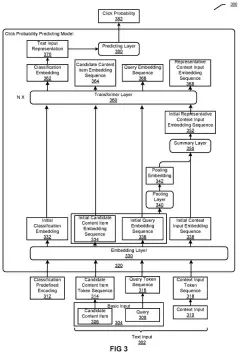
Microsoft Patents a Way to Compress Your Browsing History Into Sharper Content Picks
Every time a content feed guesses what you want to read next, it has to sort through everything you've read before. Microsoft has filed a patent for a system that compresses that history into a much smaller summary before making its pick, aiming to get recommendations right without the computational weight of processing everything at full size.
-
Google · Published Sep 10
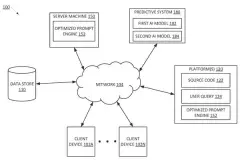
Google Patents a Two-AI System That Checks Its Own Code Translation Work
Getting an AI to rewrite your code is one thing. Getting it to check whether its own rewrite is correct is another. Google's latest patent does both by pitting two AI models against each other.
-
Google · Published Sep 10
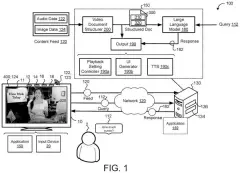
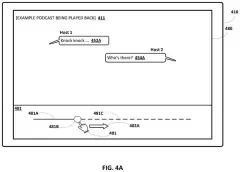
Google Patents a Way to Ask Questions About a Video While It's Playing
Google has filed a patent for a system that turns any video into a searchable, AI-queryable document, so you can ask a plain-English question mid-playback and get a direct answer pulled from the video itself.
-
Adobe · Published Sep 10
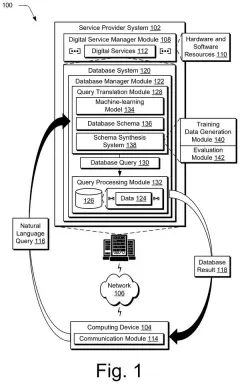
Adobe Patents a System That Trains AI to Answer Plain-English Database Questions
Writing a database query today requires knowing a specialized language called SQL. Adobe is filing patents on a system that trains AI to handle that translation for you, including when the database itself changes shape.
-
Samsung · Published Sep 10
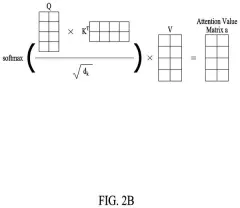
Samsung Patents a Two-Stage AI Reading Method That Skips Unimportant Sentences First
Most AI language systems treat every word in a document with equal effort, which is expensive. Samsung's new patent describes a system that first scans whole sentences for relevance, then only digs into the ones that matter.
-
Samsung · Published Sep 10
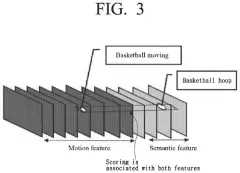
Samsung Patents a Way to Find the Interesting Parts of Any Video Automatically
Most video search tools scan text descriptions or thumbnails, but Samsung's new patent goes deeper, reading the actual movement inside a video frame-by-frame to find the clips that matter.
-
Google · Published Sep 10
Google Patents an AI That Summarizes the Video Clips You Skip Over
Every time you skip ahead in a video, you lose context. Google has filed a patent for a system that catches you up on what you just skipped, automatically, before the video resumes.
-
Sony · Published Sep 10
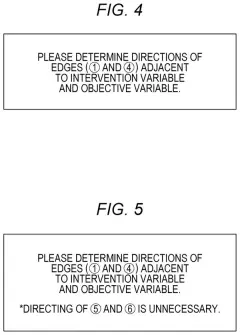
Sony Patents a Tool That Checks Cause-and-Effect Diagrams Before Crunching the Numbers
When researchers try to figure out whether one thing actually causes another, the diagram they draw to represent those relationships has to be set up correctly, or the math that follows is meaningless. Sony's new patent is for software that catches those setup errors before they happen.
-
Microsoft · Published Sep 10
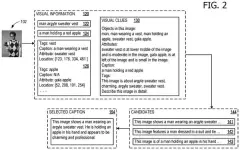
Microsoft Patents a Three-Model AI System for Writing Story Captions from Photos
Writing a one-line photo caption is hard enough. Microsoft has filed a patent for a system that writes full story-style paragraphs about an image, using three separate AI models to draft, fact-check, and pick the best version.
-
Adobe · Published Sep 10
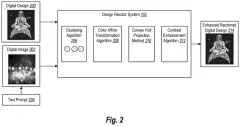
Adobe Patents a Way to Recolor Any Design From a Text Prompt
Type a description of a sunset, and Adobe's system could automatically repaint your entire graphic design in those colors. That's the core idea in a newly filed patent from the company.
-
IBM · Published Sep 3
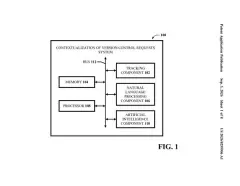
IBM Patents a Way to Search Version History Using Plain English
Tracking down exactly when a document or piece of code changed is usually a job for specialists who know the right commands. IBM is patenting a system that lets you just ask, in plain English, and lets AI figure out the rest.
-
Google · Published Sep 3
Google Patents a Training Fix That Helps AI Search Tell Similar Questions Apart
Finding the right answer to a question sounds easy until you realize AI search systems routinely confuse near-identical phrasings and return the wrong result. Google's new patent targets exactly that failure mode, deep inside the training process.