
Samsung Patents an AI That Splits Complex Questions Before Answering Them
Most AI assistants try to answer complex questions in one shot — and often stumble. Samsung's new patent describes a system that deliberately breaks a big question into smaller, structured pieces before attempting any answer.
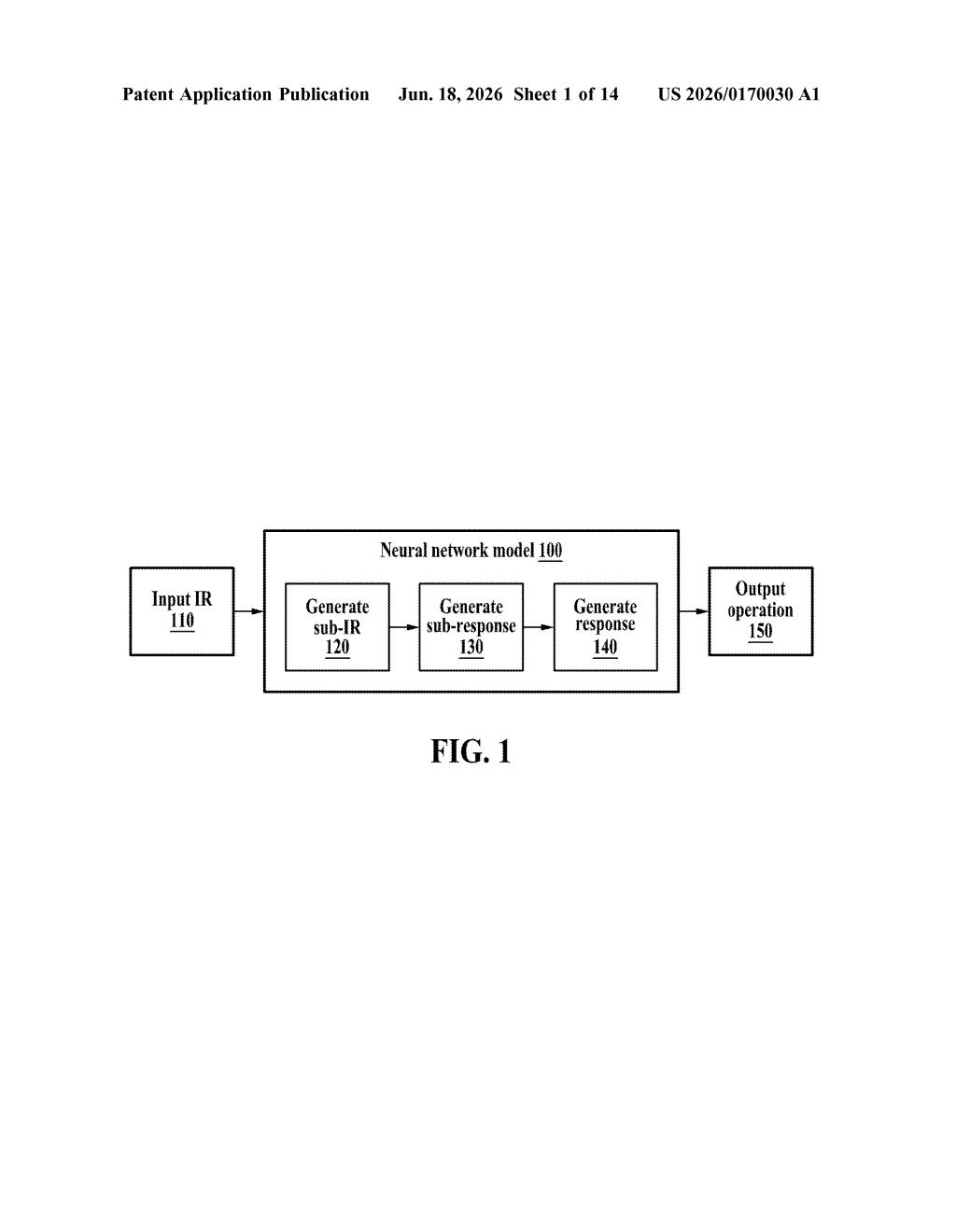
How Samsung's question-splitting AI actually works
Imagine you ask an AI assistant to fill out a detailed legal or medical form based on a pile of documents. Instead of trying to read everything and spit out one answer, this system first figures out what type of information goes in each section of the form — then tackles each section separately, like a methodical researcher filling out a checklist.
Samsung's patent describes an AI that takes your original question, maps it onto the sections of a standardized document (think: a government form or a regulatory filing), and generates a mini-question for each section. It looks up relevant information for each mini-question, reasons through it, and then combines all those individual answers into one final response.
The idea is that breaking a hard question into smaller, well-defined pieces leads to more accurate and organized answers — especially when the source material is long, technical, or covers multiple topics at once.
Inside Samsung's two-stage reasoning pipeline
The patent describes a two-stage AI reasoning pipeline designed to handle information requests (IRs) — essentially complex questions that require pulling facts from multiple documents or data sources.
- Stage 1 — Decomposition: The system takes the original question and maps each part of it to a specific section in a standardized document format (like a regulatory report template). It generates a separate sub-IR (a focused mini-question) for each section.
- Stage 2a — Sub-response generation: For each sub-IR, the system performs a retrieval step (looking up relevant source material) and then runs first reasoning — a neural network inference pass that produces a sub-response addressing just that section.
- Stage 2b — Final synthesis: A second reasoning pass then takes all the sub-responses and combines them into a single, coherent final answer to the original question.
The key mechanic is the use of a standardized document format as the structural skeleton. Rather than letting the AI decide how to organize its thinking on the fly, the system anchors every question-answering step to a pre-defined template. This makes the process more predictable and auditable — you can trace which section of the template produced which part of the answer.
What this means for AI assistants handling dense documents
For everyday chatbot queries, this level of structure would be overkill. But for enterprise and regulatory use cases — think compliance reports, insurance claims, technical due-diligence documents — the ability to produce answers that map cleanly onto official form structures is genuinely useful. Businesses that need AI to help fill out standardized forms or respond to formal document requests would benefit most.
This also fits Samsung's broader push into on-device and enterprise AI. If this reasoning architecture runs efficiently on Samsung hardware, it could power document-handling features in Galaxy devices or Samsung's business software suite — giving the company a foothold in AI productivity tools beyond the consumer chatbot space.
This is solid, methodical AI engineering — not flashy, but aimed at a real problem: AI systems that hallucinate or lose track of structure when answering complex, multi-part questions. The two-stage reasoning approach is a sensible fix, and the focus on standardized document formats suggests Samsung is targeting enterprise customers who need traceable, structured AI outputs. Whether this ends up in a Galaxy feature or a B2B product line, it's a meaningful bet on AI reliability over AI spectacle.
There are more where this came from
We read every patent application Big Tech publishes and send you the ones worth knowing. Plain English, free, every week.
Want this weekly breakdown for a company we don't cover? Patentlyze Pro →