
Apple Patents a Display System That Moves Content to Follow Your Eyes
Apple is exploring a display technique that physically repositions on-screen content in real time based on where your eyes are looking — not just what you're looking at, but compensating for the movement itself.
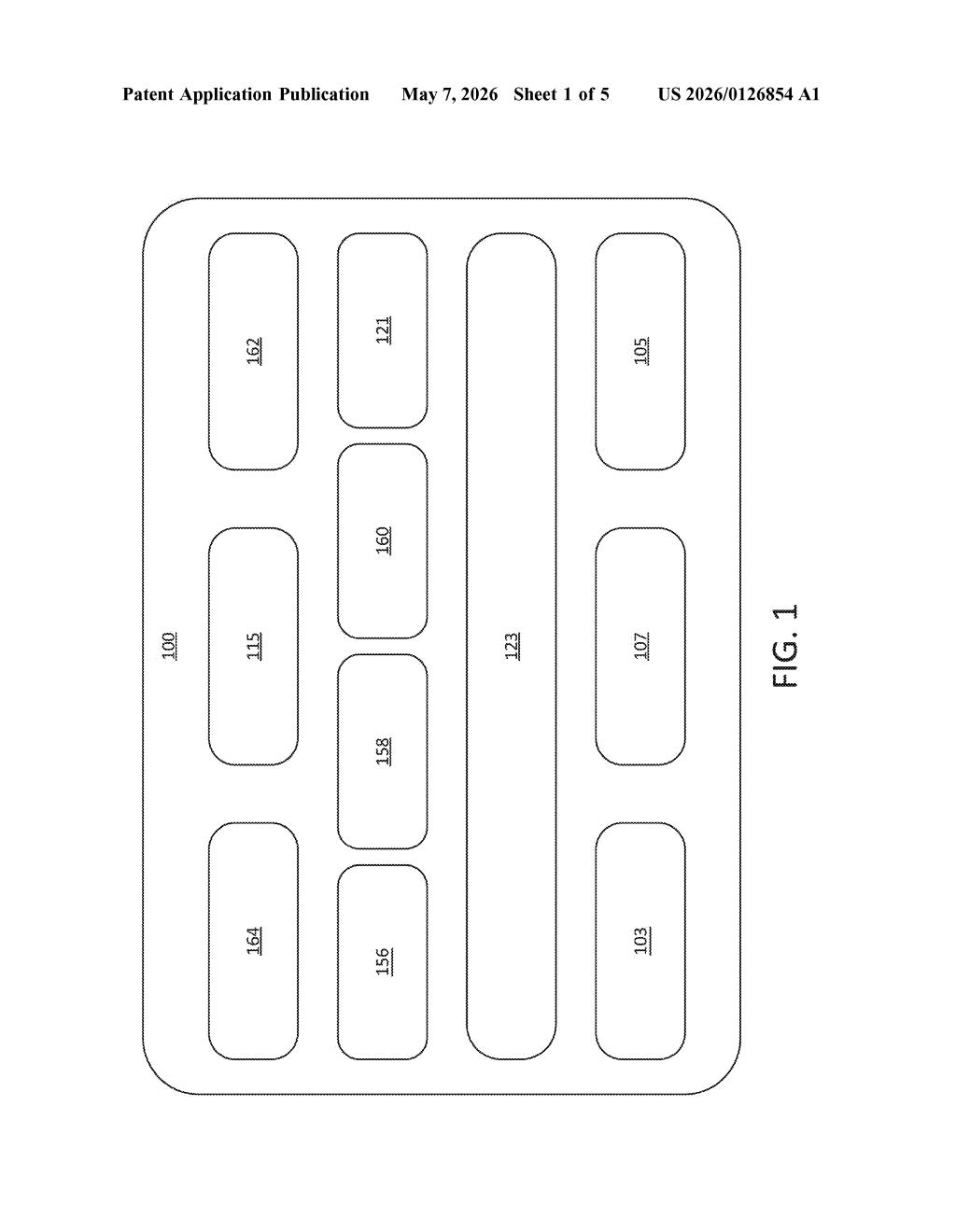
What Apple's eye-tracking content shift actually does
Imagine reading a sentence on screen, but your head shifts slightly — or your eyes drift — and the text you were focused on slides just out of your comfortable reading zone. It's a small annoyance on a phone, but in a headset or during prolonged use, it adds up fast.
Apple's patent describes a system that watches where your eyes are positioned relative to the display, and when they move, shifts the content to follow. So if your eye position moves, the interface element you were looking at moves with it, staying in your visual sweet spot.
This is different from standard eye-tracking that just registers what you're looking at. This is about compensating for the motion itself — keeping content stable relative to your gaze even when your eyes or head aren't perfectly still.
How Apple's system tracks eye position and repositions UI
The system works in three steps. First, a display component renders a user interface with content at a defined position on screen. Second, the device tracks the user's eye position — not just gaze direction, but the physical position of the eye relative to the display surface. Third, when that eye position changes (moves from a first position to a second), the system repositions the content on screen to a new location based on the updated eye position.
The key distinction here is motion compensation (correcting for unwanted or natural movement) rather than intent-based gaze interaction (like selecting a button by staring at it). The content's new position is explicitly tied to where the eye has moved, not to a user command.
- Eye position detection: continuous tracking of physical eye location relative to display
- Content repositioning: UI elements shift to a second screen position in response
- Real-time response: the adjustment happens directly in response to detected movement
The patent's claim language is deliberately broad — it covers any display component and any content, not a specific hardware implementation. This suggests Apple is staking out the general concept rather than a narrow technical solution.
What this means for Vision Pro and future Apple displays
For spatial computing devices like Apple Vision Pro, keeping content locked to your comfortable focal zone matters enormously. Even small eye movements during extended use can cause fatigue if the UI doesn't adapt. A system like this could reduce eye strain and make long reading or work sessions feel more natural.
More broadly, this kind of technique could extend to Mac displays with built-in cameras, iPad, or iPhone in the future — anywhere your eyes are tracked and comfort matters. It's a quiet but meaningful quality-of-life feature that could distinguish Apple's approach to display ergonomics from competitors.
This is a focused, practical patent rather than a headline grabber — but that's actually what makes it interesting. Eye-tracking in headsets is well-established for input; using it purely for <em>comfort and motion compensation</em> is a more subtle and arguably more user-centered application. If this shows up in Vision Pro or a future visionOS update, most users would never consciously notice it — they'd just find the experience less tiring.
There are more where this came from
We read every patent application Big Tech publishes and send you the ones worth knowing. Plain English, free, every week.
Want this weekly breakdown for a company we don't cover? Patentlyze Pro →