
Google Patents an AI System That Scores Your Heart's Biological Age
Your heart might be biologically older — or younger — than your birth certificate says. Google is patenting a system to tell you exactly how much, and then nudge you to close the gap.
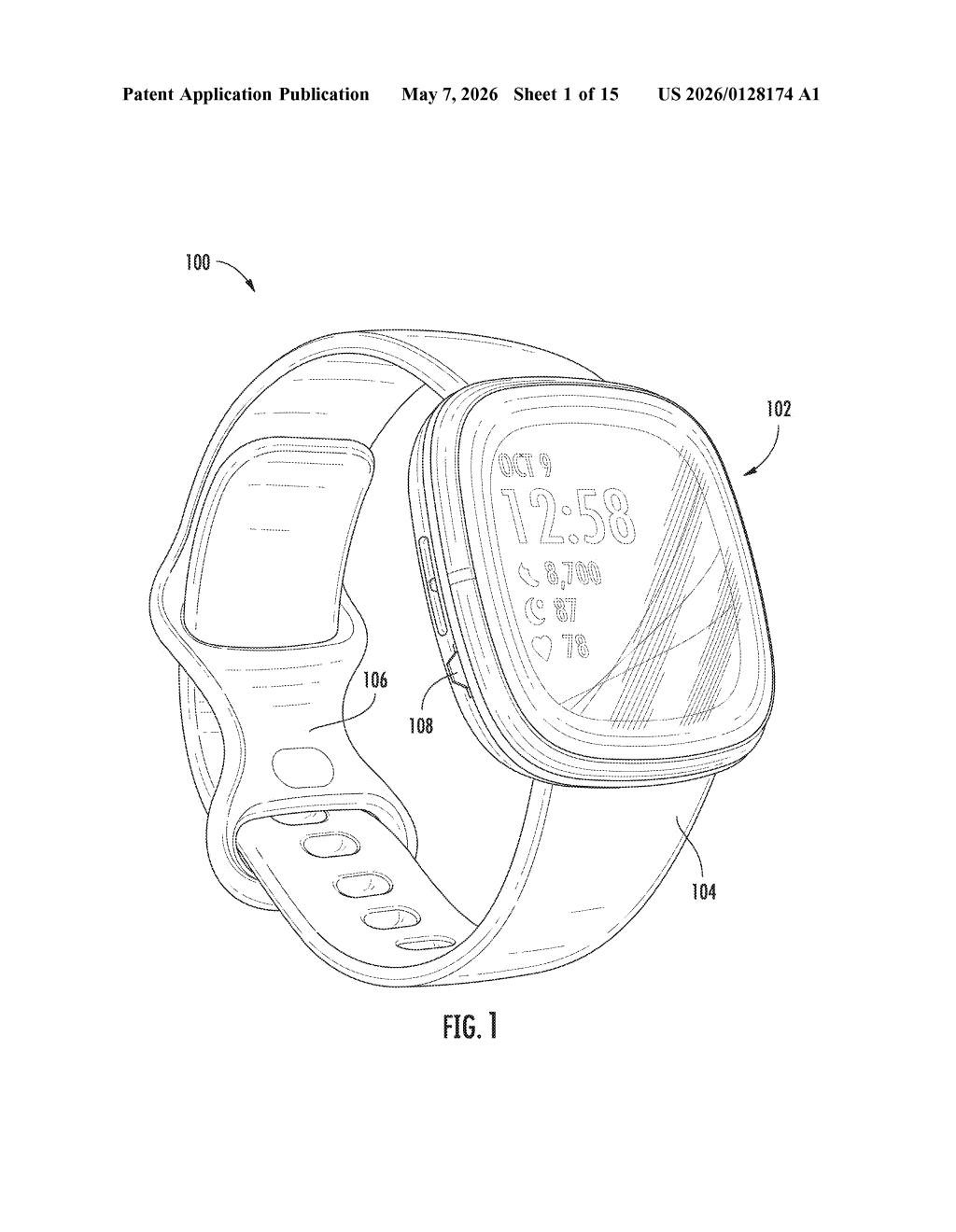
What Google's cardiac age score actually measures
Imagine your doctor tells you that even though you're 40, your heart is behaving like a 47-year-old's. That gap — your cardiac age versus your real age — is something researchers already use to assess cardiovascular risk. Google is patenting a way to calculate that score automatically, on a device you're already wearing.
The system takes your age, body measurements, and live heart metrics from sensors (think heart rate, rhythm data), feeds them into an AI model, and spits out a number. If your cardiac age is higher than your actual age, your heart health needs work. If it's lower, you're doing great.
What makes this more than a one-time reading is the feedback loop. The patent describes a system that watches your cardiac score, suggests an activity tailored to your history and preferences, and then re-measures your score while you do it — showing you in real time whether that walk or breathing exercise is actually helping.
How the model turns heart data into an age gap score
At its core, this patent describes a machine-learned model that takes three types of input and produces a single, meaningful output:
- Demographic data — primarily your age
- Physiological data — one or more cardiac metrics pulled live from sensors (things like heart rate variability or ECG readings)
- Anthropometric data — body measurements like height, weight, or BMI
The model outputs a predicted cardiac age — essentially, what age a typical person with your heart data would be. The cardiac score is then calculated as the difference between that predicted age and your real age. A positive gap means your heart is aging faster than your body; a negative gap is a good sign.
The claim goes further than just displaying a number. The system also:
- Looks at your historical activity data and preferences to recommend a specific exercise or activity
- Monitors your cardiac metrics in real time while you do that activity
- Generates an updated cardiac score on the fly and shows you a before/after comparison
A second model (described in dependent claims) can also generate natural-language explanations — giving you context for why your score is what it is, based on which specific metrics are dragging it up or pulling it down.
What this means for Google's Pixel Watch health ambitions
For Google, this patent fits squarely into the health-sensing roadmap it has been building through Fitbit and Pixel Watch. Those devices already collect heart rate, SpO2, and ECG data — the raw ingredients this system needs. Packaging that data into a single, actionable cardiac age gap score is a much more compelling consumer story than a raw BPM reading.
For you as a user, the real value is the feedback loop: instead of a passive dashboard, the system actively recommends something to do and then shows you whether it worked, right away. That kind of closed-loop health coaching is where every major wearable platform is heading, and whoever makes it feel effortless and credible will have a meaningful edge.
This is a genuinely interesting health-tech patent because it goes beyond passive monitoring into active, personalized coaching with a real-time feedback mechanism. The 'cardiac age' framing is already clinically meaningful and far more intuitive than raw metrics. Whether Google can make the underlying model accurate enough to be trustworthy — and get the necessary regulatory clearances for health claims — is the real question, but the design intent here is smart.
There are more where this came from
We read every patent application Big Tech publishes and send you the ones worth knowing. Plain English, free, every week.
Want this weekly breakdown for a company we don't cover? Patentlyze Pro →