
Qualcomm Patent: Routing Processing Tasks Automatically to the Fastest Available Server
What if your phone could shop around for the fastest nearby server before offloading a heavy task? That's exactly what Qualcomm is patenting.
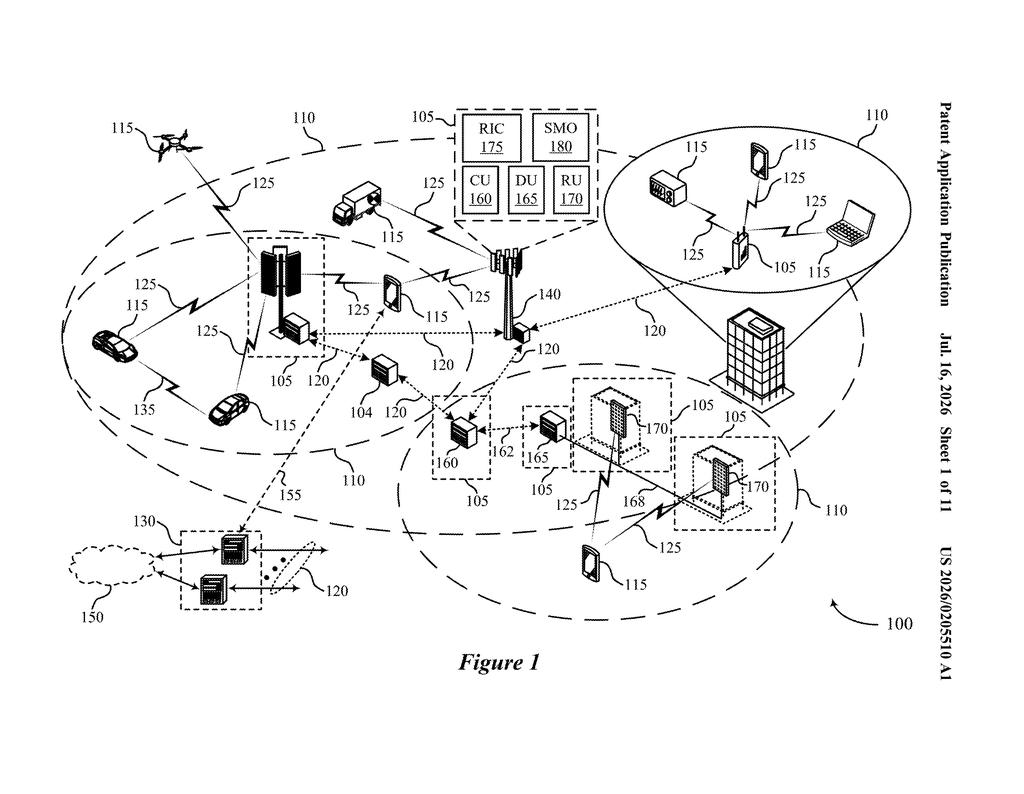
How Qualcomm's edge task-routing actually works for your device
Imagine you need to process something heavy, like a video clip or a complex AI request, but your phone can't handle it alone. Right now, your device typically just sends that job to whatever server it's pointed at, whether that server is swamped or not.
Qualcomm's patent describes a system where your device shares information about its network connection with nearby edge servers (small, local computing hubs closer to you than a traditional cloud data center). Those servers can then coordinate among themselves to figure out who should actually handle the job, or your device can ask several servers at once and pick whichever one promises to finish fastest.
The goal is better performance and reliability, especially in situations where speed really counts, like autonomous vehicles, factory floors, or emergency-services networks. Instead of dumb load-balancing decided by the network alone, the device becomes an active participant in choosing where its work gets done.
How devices and edge nodes negotiate task assignments
The patent describes a two-sided coordination system between an end device (a phone, sensor, or vehicle) and a set of edge nodes (local computing servers placed near the network's edge, closer to users than a central cloud).
The device shares network link information with edge nodes. This includes things like signal quality, bandwidth, and latency on its current connection. Armed with that context, a first edge node can decide to pass the task to a better-positioned second edge node rather than handling it locally when that would be slower or less reliable.
Alternatively, the device can broadcast a task request to several edge nodes simultaneously, receive back an estimated completion time from each, and then assign the job to whichever node wins that auction-style competition. Key components include:
- Device-side reporting of real-time link quality to edge servers
- Edge-to-edge task delegation when one node has better network conditions
- Multi-node completion-time bidding so the device picks the fastest option
- Support for power, security, and mission-critical availability considerations alongside raw speed
The first independent claim in this publication is marked as canceled, which is common during patent prosecution and does not necessarily affect the rest of the claims.
What this means for 5G edge computing and real-time apps
Edge computing is increasingly important for applications that can't tolerate the round-trip delay of sending data to a distant data center. Think of augmented reality, connected cars, or industrial automation. Today, routing decisions in those systems are often made by the network infrastructure alone, without much input from the device that actually knows how its connection is performing.
Qualcomm's approach puts the device in the loop, letting it share real conditions and even shop for the best server. For 5G-connected devices, where network conditions can change fast as you move, that kind of adaptive routing could meaningfully cut latency. Qualcomm designs chips and modems for a huge share of the world's phones and wireless hardware, so a system like this could eventually influence how edge infrastructure is built across entire industries.
This is solid, useful infrastructure work rather than a flashy consumer feature. The idea of devices actively negotiating task placement with edge servers is a logical evolution of edge computing, and Qualcomm is well positioned to push it given its modem and chipset reach. The canceled first claim is a yellow flag worth watching as the patent prosecution continues.
There are more where this came from
We read every patent application Big Tech publishes and send you the ones worth knowing. Plain English, free, every week.
Want this weekly breakdown for a company we don't cover? Patentlyze Pro →
Be the first to weigh in