
Microsoft Patents an AI Engine That Writes Animation Instructions From Plain Text
Describing an animation in words and having a computer build it automatically sounds like a small convenience, but it touches a genuinely hard problem: animation has always required either artistic skill or tedious parameter-tweaking. Microsoft's new patent describes a system that tries to bridge that gap with an AI layer.
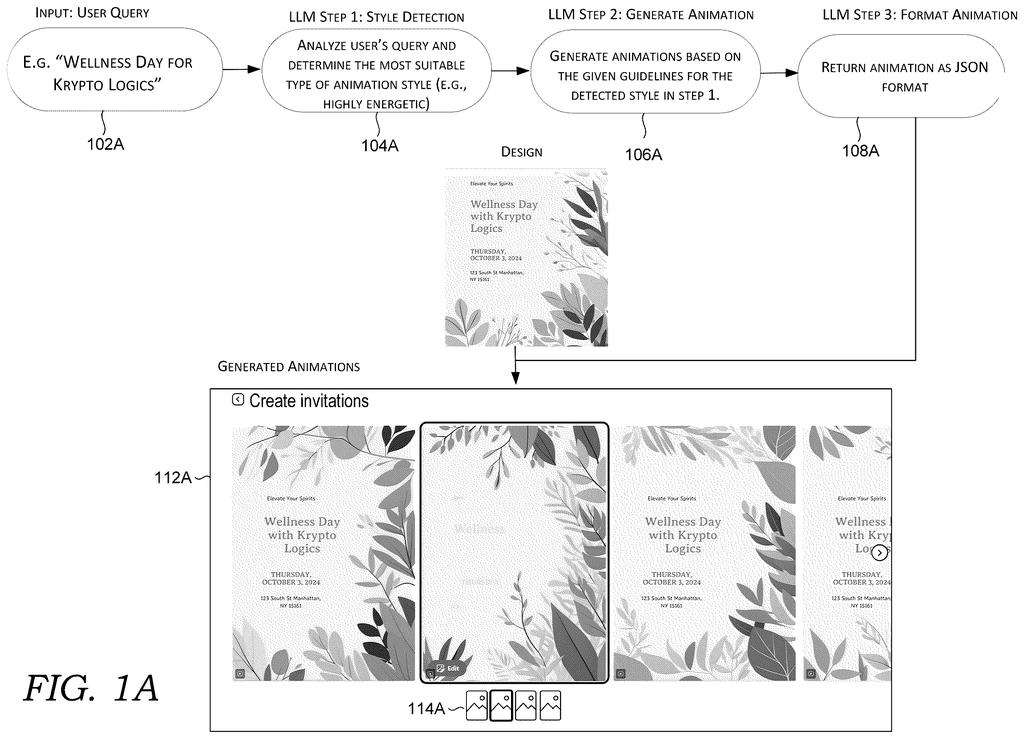
How Microsoft's AI turns text into ready-made animations
Ever tried to get a logo or a button to animate in exactly the right way, only to spend an hour digging through timing sliders and easing options? That frustration is what this patent is aimed at.
Microsoft describes a system where you describe what you want (a bouncing icon, a sliding panel, a pulsing notification) and an AI figures out the technical animation settings for you. You don't have to know the difference between an ease-in curve and a spring simulation. The system translates your plain-language request into a structured set of instructions the software can actually execute.
The key idea is a hidden layer called a meta-prompt: a behind-the-scenes template that tells the AI what animation rules to follow, so the output stays consistent and usable rather than random. Think of it as a rulebook the AI consults before generating anything, keeping the results within bounds that actually work on screen.
… generating a meta-prompt based on the input and a predefined meta-prompt template, wherein the predefined meta-prompt template defines animation parameters as operational constraints for animation generation; …
Translation: The system builds a structured prompt using templates that set strict rules for how the animation should behave.
How the meta-prompt template controls what the AI generates
The system works in two stages, both handled by a large language model (an AI trained on vast amounts of text and code, the same family of technology behind chatbots like Copilot).
First, the system takes your input, which can be contextual data about the design object you want animated, and combines it with a predefined meta-prompt template. That template is a structured rulebook that specifies what animation properties matter: timing, how motion accelerates or decelerates, how intermediate frames are filled in (called interpolation), and behavioral constraints like looping or triggering on user interaction.
Second, the AI uses that combined prompt to produce an animation object: a data structure containing all the computed parameters needed to actually play the animation. This object is then handed off to a rendering layer that turns those parameters into visible motion on screen.
- User prompt: what you want the animation to look like or do
- Meta-prompt: a system-level template that keeps the AI's output within valid animation constraints
- Animation object: the structured output containing every setting needed to run the animation
The dual-prompt design matters because it separates creative intent from technical correctness: the user side is flexible, the meta-prompt side is strict.
The meta-prompt specifies a parameterized schema for the animation object, including constraints on behavioral dynamics, temporal properties, interpolation techniques, and other attributes.
Translation: It details exact rules for motion, timing, and smooth transitions to guide the AI output.
What this means for design tools and everyday presentations
For anyone who uses design or productivity software, this kind of system could reduce a multi-step technical process to a single sentence. Instead of hunting through menus to set keyframes, you describe the effect and the software handles the rest. That has obvious applications in tools like PowerPoint, Teams, or any design product where motion is currently a friction point.
Microsoft's bet on generative design tools shows up across several recent filings, and this one fits that pattern. The harder question is whether AI-generated animations actually look good enough to be useful or whether they produce generic, interchangeable motion. The patent describes the architecture for getting a valid output, not necessarily a great one.
This is the 54th Microsoft filing we've tracked in Language AI since May, adding to work like one on compressing browsing history and a three-model photo caption system.
From a shipping standpoint, this patent describes a software-only idea that runs on infrastructure Microsoft already operates. No new chips, no new devices, just a structured way to translate plain language requests into animation instructions using the same AI models already powering Microsoft's existing tools.
The honest gap is quality. The document explains how animation settings get generated but says nothing about whether the resulting motion will look good. Smooth, natural-feeling animation is notoriously hard to get right, and that engineering work lives entirely outside what this filing covers.
The architecture is specific enough to take seriously. A reusable template that forces the AI to stay within defined animation boundaries is a real design decision, not hand-waving, and it points toward a believable near-term feature inside a design or productivity tool rather than a distant research ambition.
There are more where this came from
We read every patent application Big Tech publishes and send you the ones worth knowing. Plain English, free, every week.
The drawings
15 drawing sheets from US 2026/0278903 A1 · click any drawing to enlarge


Want this weekly breakdown for a company we don't cover? Patentlyze Pro →