
Microsoft Patents a System Requiring Human Sign-Off Before Cloud Servers Are Deleted
Before anyone can spin up, modify, or delete a cloud resource, this system makes sure the right person explicitly says yes. It's a permission gate built directly into the cloud management layer.
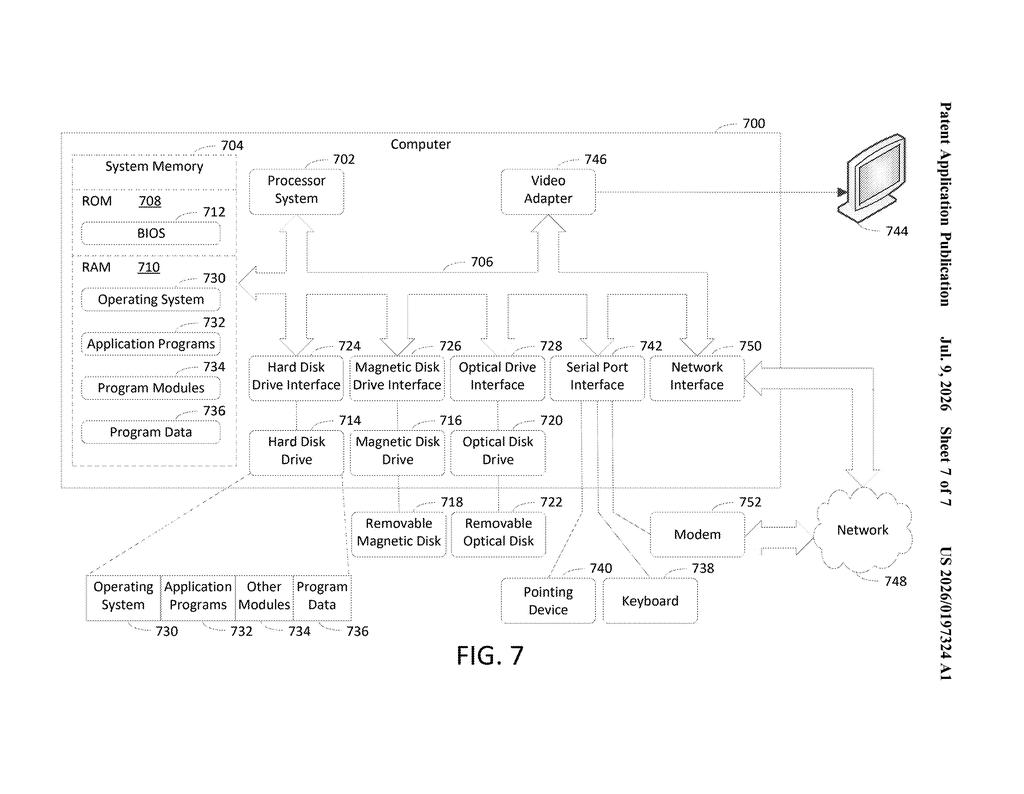
What Microsoft's cloud approval gate actually does
Imagine your company stores critical data in the cloud, and a developer accidentally (or intentionally) tries to delete a database server. Right now, many cloud setups rely on broad access permissions, meaning the wrong person can make a destructive change before anyone notices.
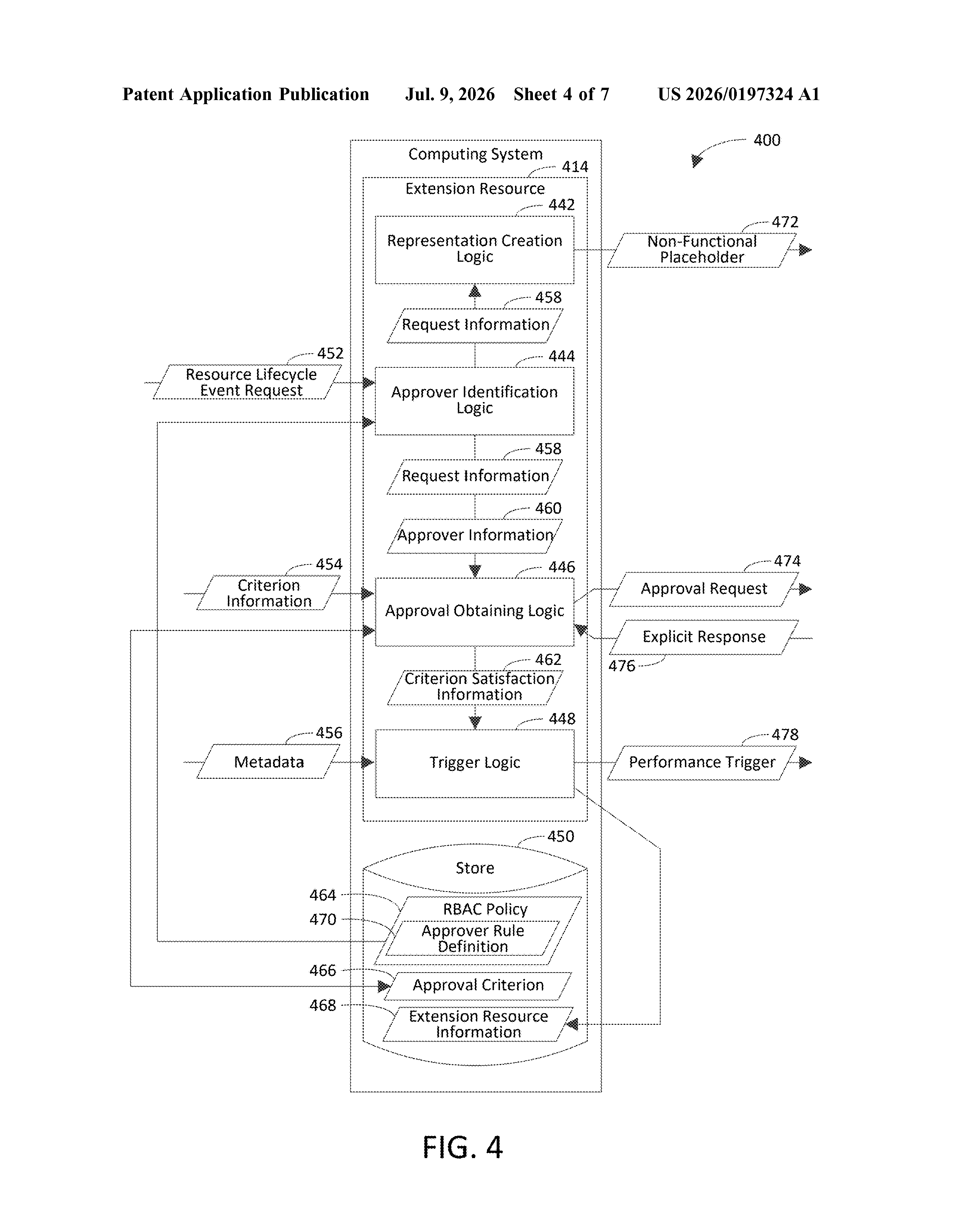
Microsoft's patent describes a system that stops that from happening. Before any significant action on a cloud resource (creating it, changing it, or shutting it down) can go through, someone with the right approver role has to explicitly say yes. The system figures out who that designated approver is, asks them, and only proceeds once it has their sign-off in hand.
Think of it like a two-person rule at a bank vault. You can request access all you want, but the vault doesn't open until the right keyholder shows up and confirms. This patent bakes that same idea into cloud infrastructure management.
How the approver role and lifecycle trigger connect
The patent describes a system that intercepts requests to perform what it calls a resource lifecycle event (any action that creates, modifies, or removes a cloud-based resource) and routes them through a mandatory human approval step before anything executes.
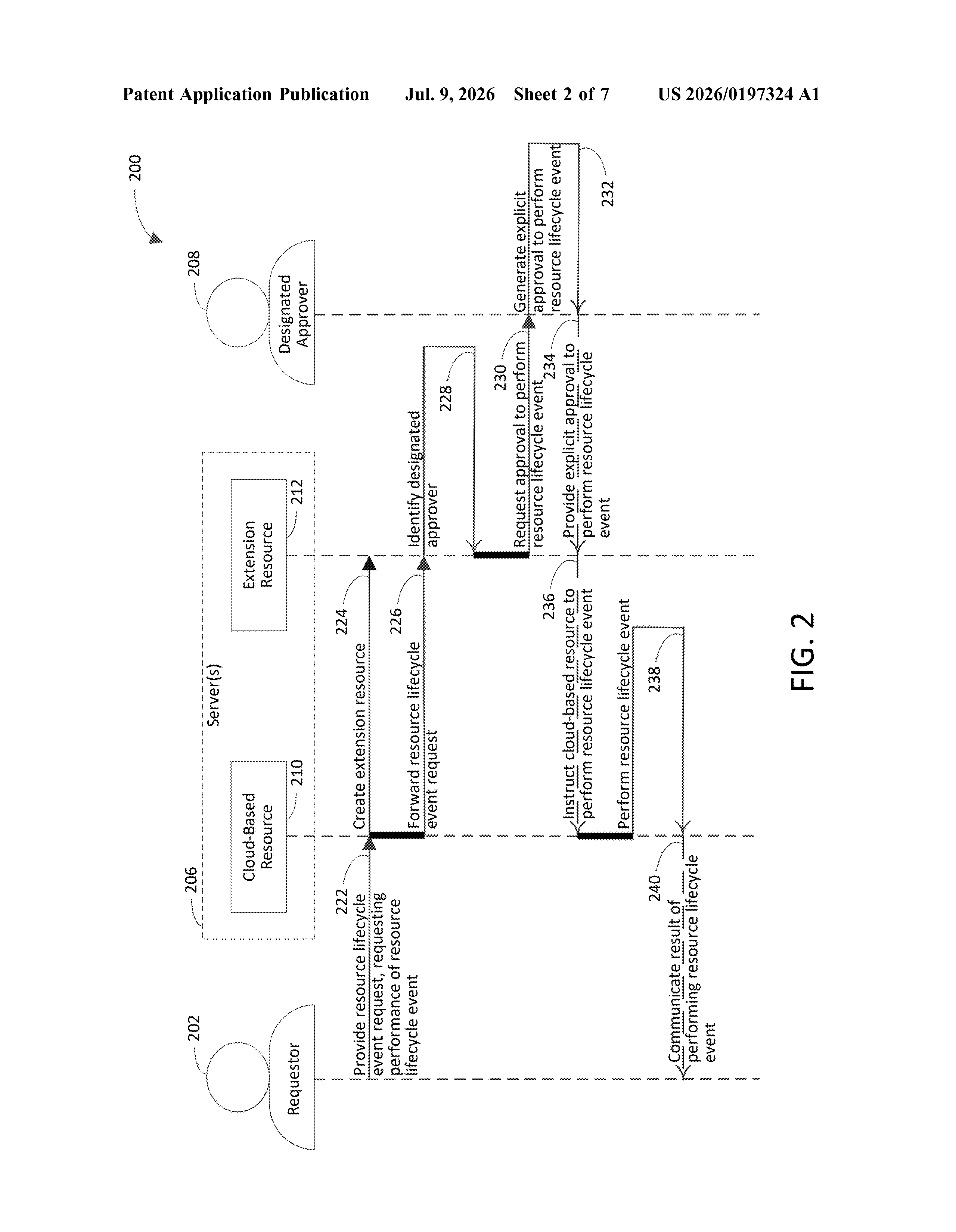
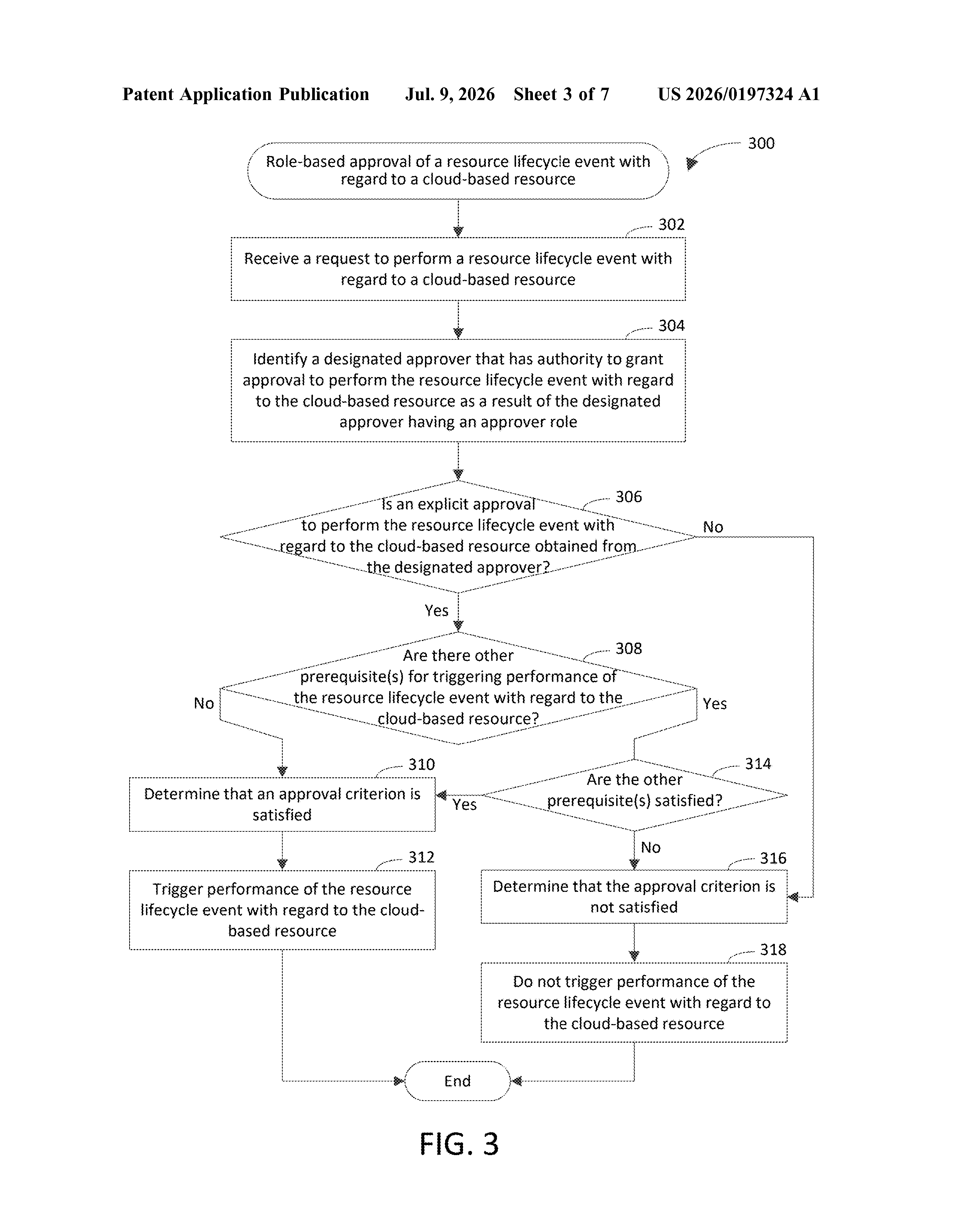
The core flow works like this:
- A request to perform a lifecycle event comes in (from a user, an automated script, or another system).
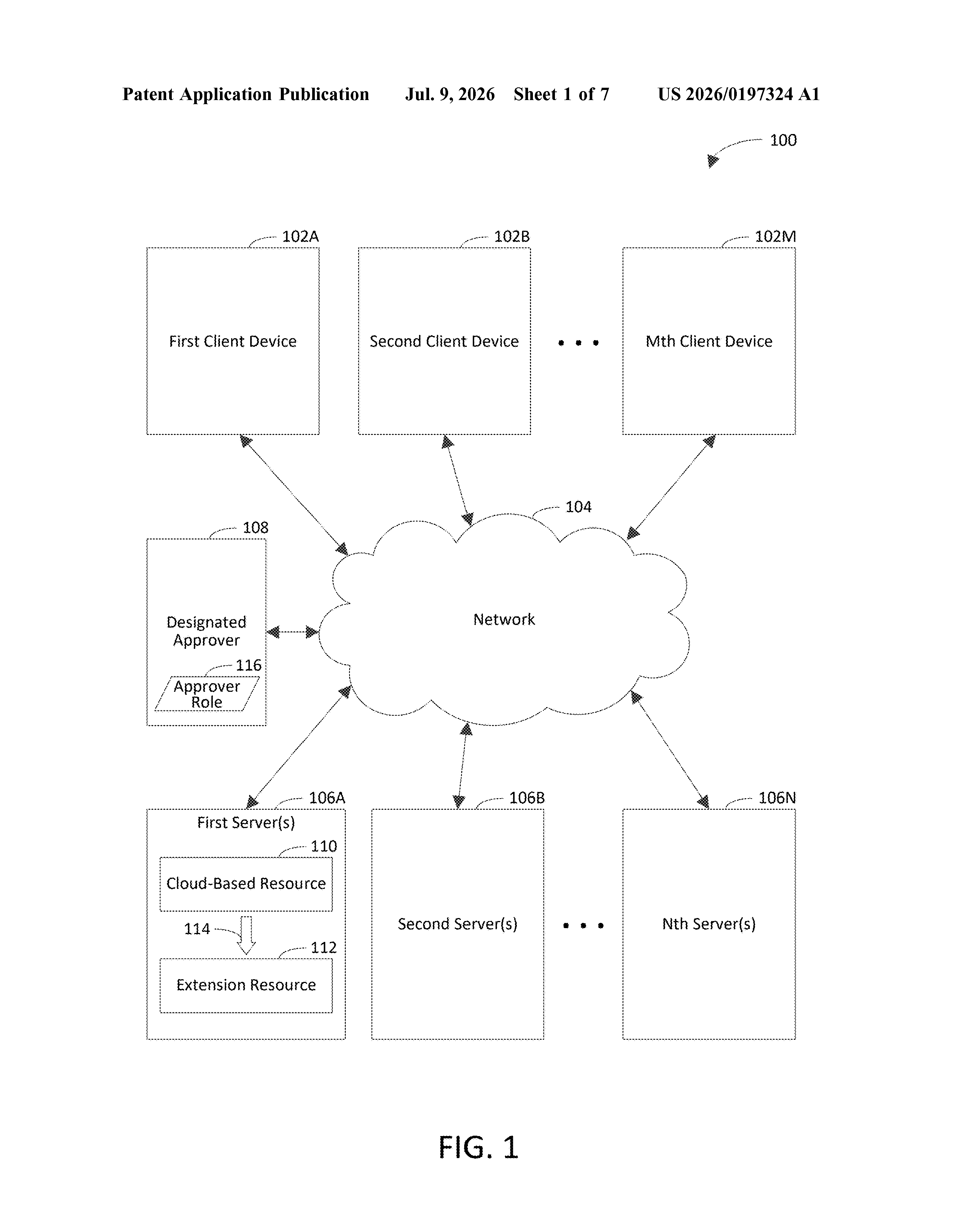
- The system identifies a designated approver, someone assigned an explicit approver role that authorizes them to greenlight that specific type of action on that specific resource.
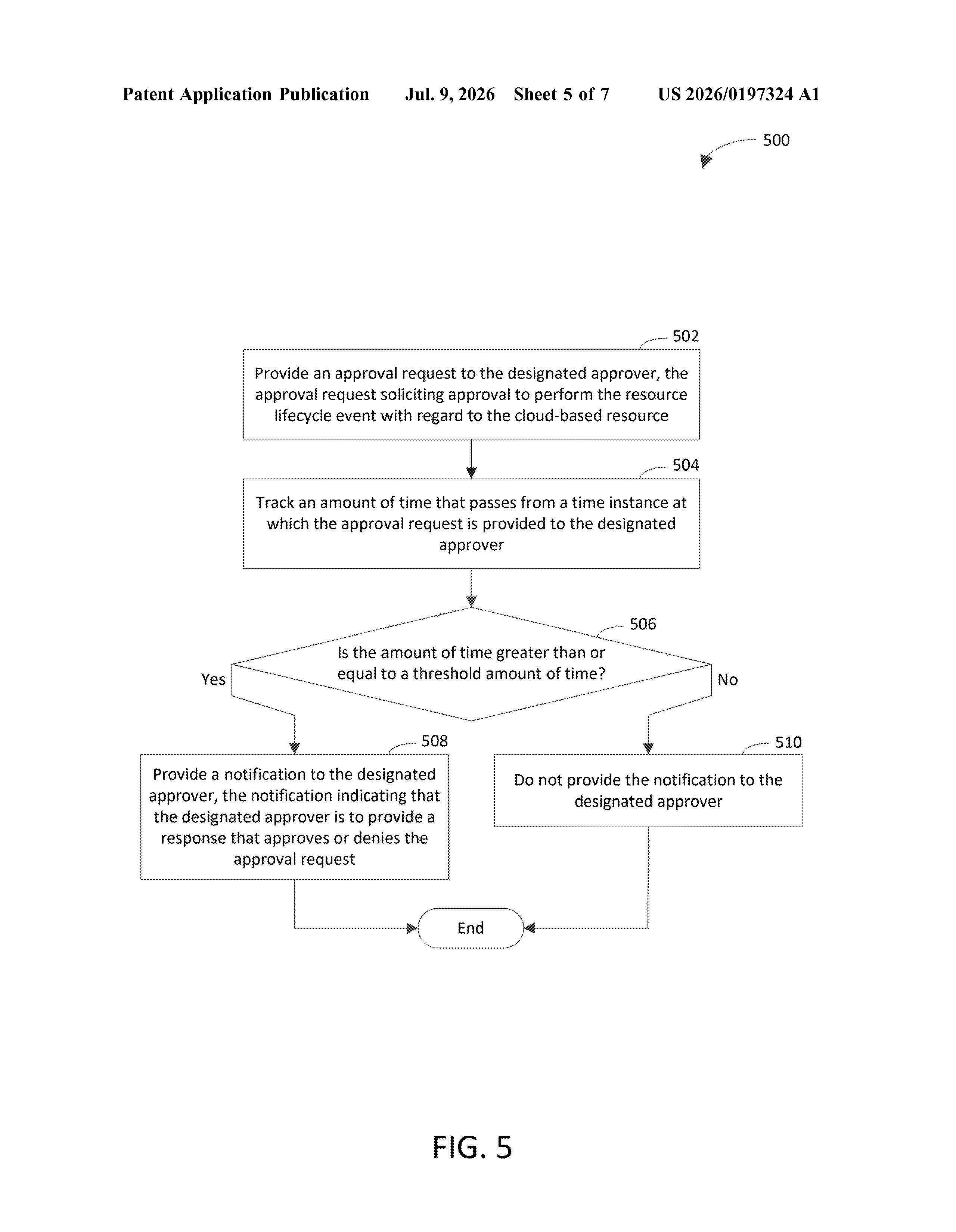
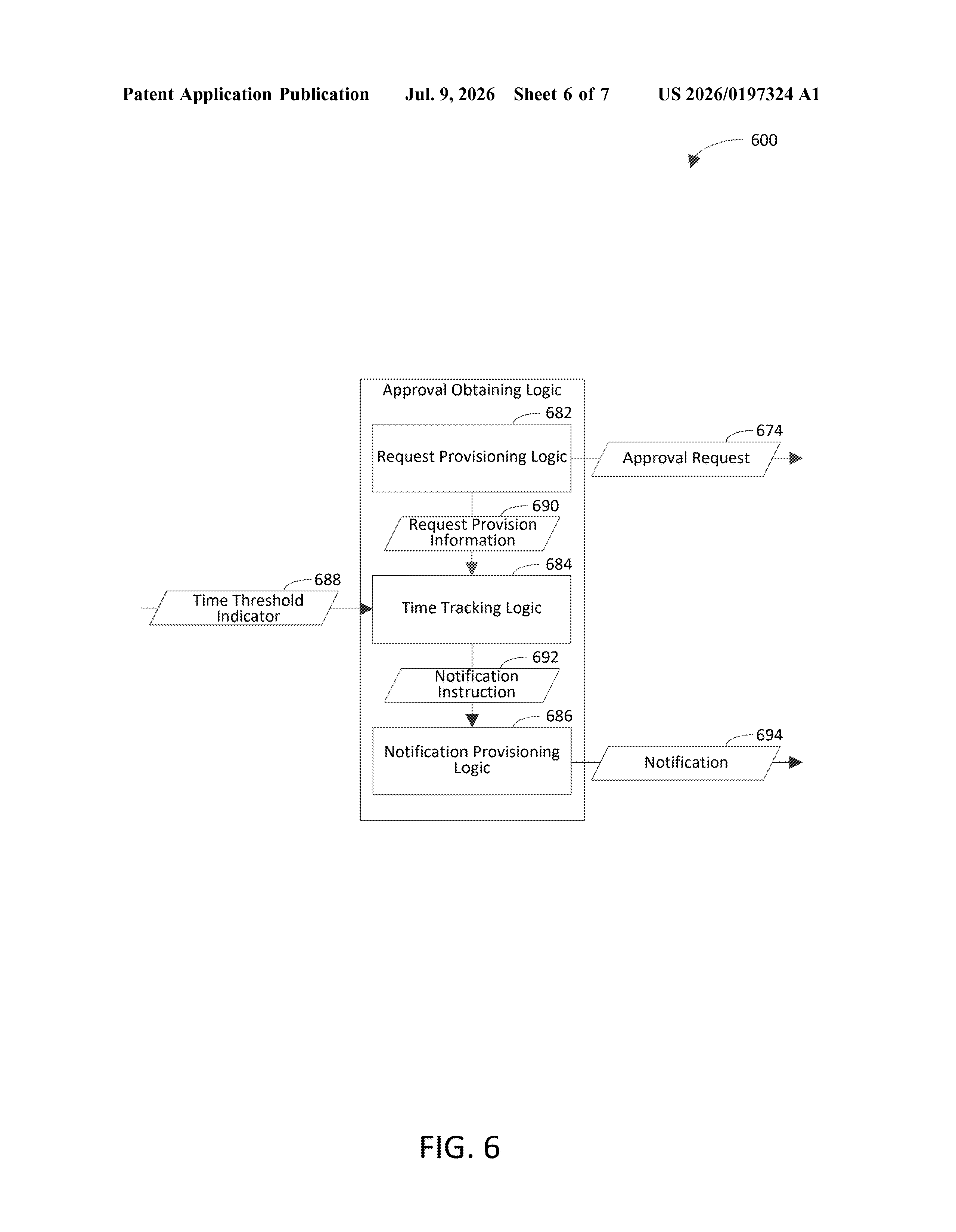
- The system obtains an explicit approval from that person, not just passive non-objection, but an active confirmation.
- Only after an approval criterion is satisfied (meaning the sign-off is in hand) does the system actually trigger the lifecycle event.
The role-based framing is the key design choice here. Rather than relying on who requested the change, the system separately tracks who is authorized to approve it. Those can be different people with different organizational responsibilities, which is standard practice in IT governance frameworks like ITIL or SOC 2 compliance controls.
What this means for enterprise cloud governance
For large enterprises running workloads on Microsoft Azure, this kind of control is often a compliance requirement, not a nice-to-have. Regulations in finance, healthcare, and government frequently mandate that changes to production infrastructure go through a formal approval chain. Right now, companies typically bolt those workflows on top of cloud platforms using third-party tools or manual processes.
If Microsoft builds this directly into Azure's resource management layer, it could simplify audits and reduce the operational overhead of maintaining separate approval tooling. For IT administrators and security teams, having approval logic enforced at the platform level rather than the policy level is a meaningful structural shift.
This is bread-and-butter enterprise IT governance, not a technical leap. The interesting angle is that Microsoft is pushing this into the cloud platform itself rather than leaving it to third-party workflow tools. For Azure's enterprise customers, that's a quiet but useful consolidation.
There are more where this came from
We read every patent application Big Tech publishes and send you the ones worth knowing. Plain English, free, every week.
The drawings
7 drawing sheets from US 2026/0197324 A1 · click any drawing to enlarge
Want this weekly breakdown for a company we don't cover? Patentlyze Pro →
Be the first to weigh in