
Sony Patent Would Let Your Surroundings Automatically Choose Your Music
Imagine your car's camera spots a tunnel ahead and your music automatically shifts to something more dramatic. Sony's new patent describes exactly that kind of scene-aware audio.
How Sony's camera-driven music system actually works
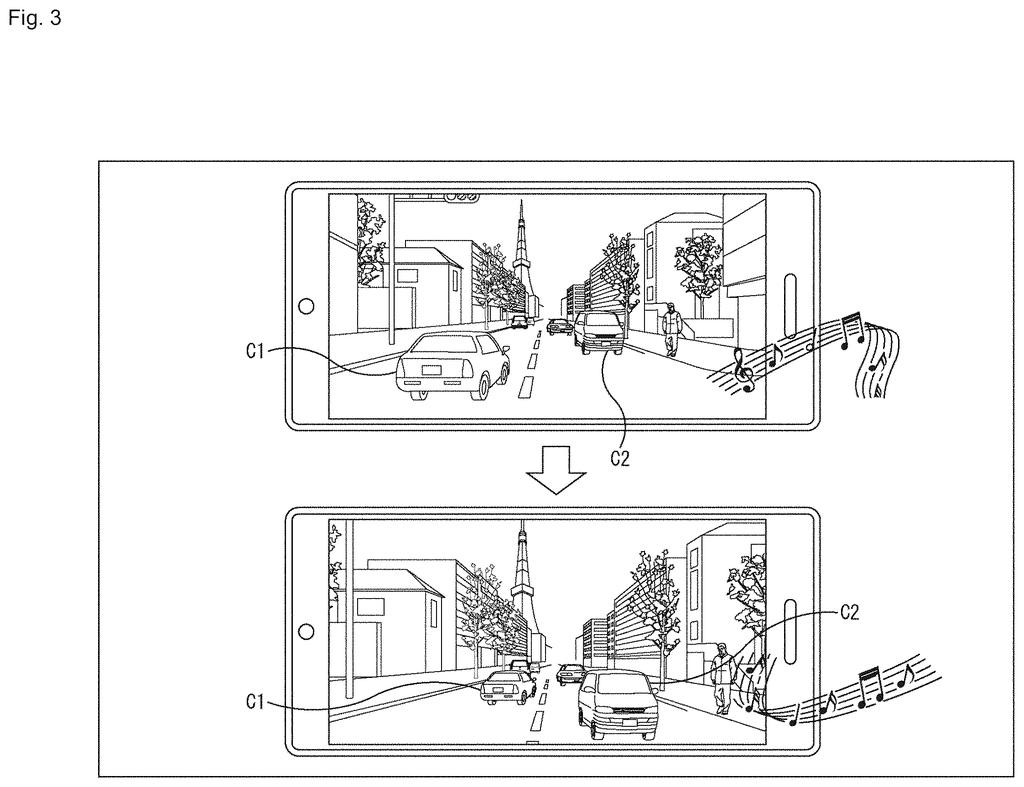
Picture this: you're driving through a city, and your phone's camera is scanning the road ahead. As you pass a wide open highway, the music shifts to something expansive. Pull into a cramped parking garage and the vibe changes again. That's the basic idea behind this Sony filing.
Sony is describing a system where a device (think a smartphone mounted on a car dashboard) watches the world through its camera, identifies what's in the frame, and adjusts the music playing based on what it sees. If the scene changes, so does the soundtrack.
The patent is light on specifics about how music gets matched to objects or scenes, but the core concept is that your environment becomes the DJ. Sony explicitly calls out cars and smartphones as the target setup, so in-car listening seems to be the primary use case.
How the object recognizer feeds the playback controller
The system has two core components working together:
- Object recognition unit: This part analyzes frames from a live camera feed and identifies objects present in the scene. Think road signs, other vehicles, open fields, buildings, or weather conditions.
- Playback control unit: Based on what the recognition unit reports about those objects and their current state (position, type, quantity, movement), this component adjusts the music being played in real time.
The patent doesn't spell out the exact matching logic (for example, how a detected pedestrian maps to a particular genre or tempo), which is typical for a broad foundational filing like this. The claim is intentionally wide, covering any music variation triggered by any object state in an image.
Sony specifically mentions smartphones mounted in moving vehicles like cars as the intended platform. The camera feed from the phone would supply the visual data, and the phone's audio output would deliver the adjusted music.
What this means for in-car listening experiences
For drivers, this could mean a listening experience that feels more tied to the real world around you rather than a static playlist. Sony already makes car audio systems, in-vehicle entertainment hardware, and consumer electronics, so the overlap with their existing product lines is clear.
The bigger question is how well any real implementation could match the right music to a given scene in a way that feels good rather than gimmicky. The patent stakes out the territory without answering that. If Sony (or a licensee) builds something compelling here, it could push music apps and car entertainment systems toward a more context-aware model, where your surroundings shape what you hear.
This is an interesting concept patent, but it raises more questions than it answers. Object recognition in cars is everywhere now, yet nobody has turned that camera data into a music cue, which either means the idea is genuinely fresh or the experience is harder to get right than it sounds. Sony staking this claim early, with cars explicitly called out, suggests they see real product potential here, not just a defensive filing.
There are more where this came from
We read every patent application Big Tech publishes and send you the ones worth knowing. Plain English, free, every week.
The drawings
23 drawing sheets from US 2026/0212846 A1 · click any drawing to enlarge


Want this weekly breakdown for a company we don't cover? Patentlyze Pro →
Be the first to weigh in