
Samsung Patents a Memory-Efficient System for Reading On-Screen Text in Any Language
Samsung is patenting a way to make on-screen text recognition leaner — by loading only the language-specific data a device actually needs, instead of everything at once.
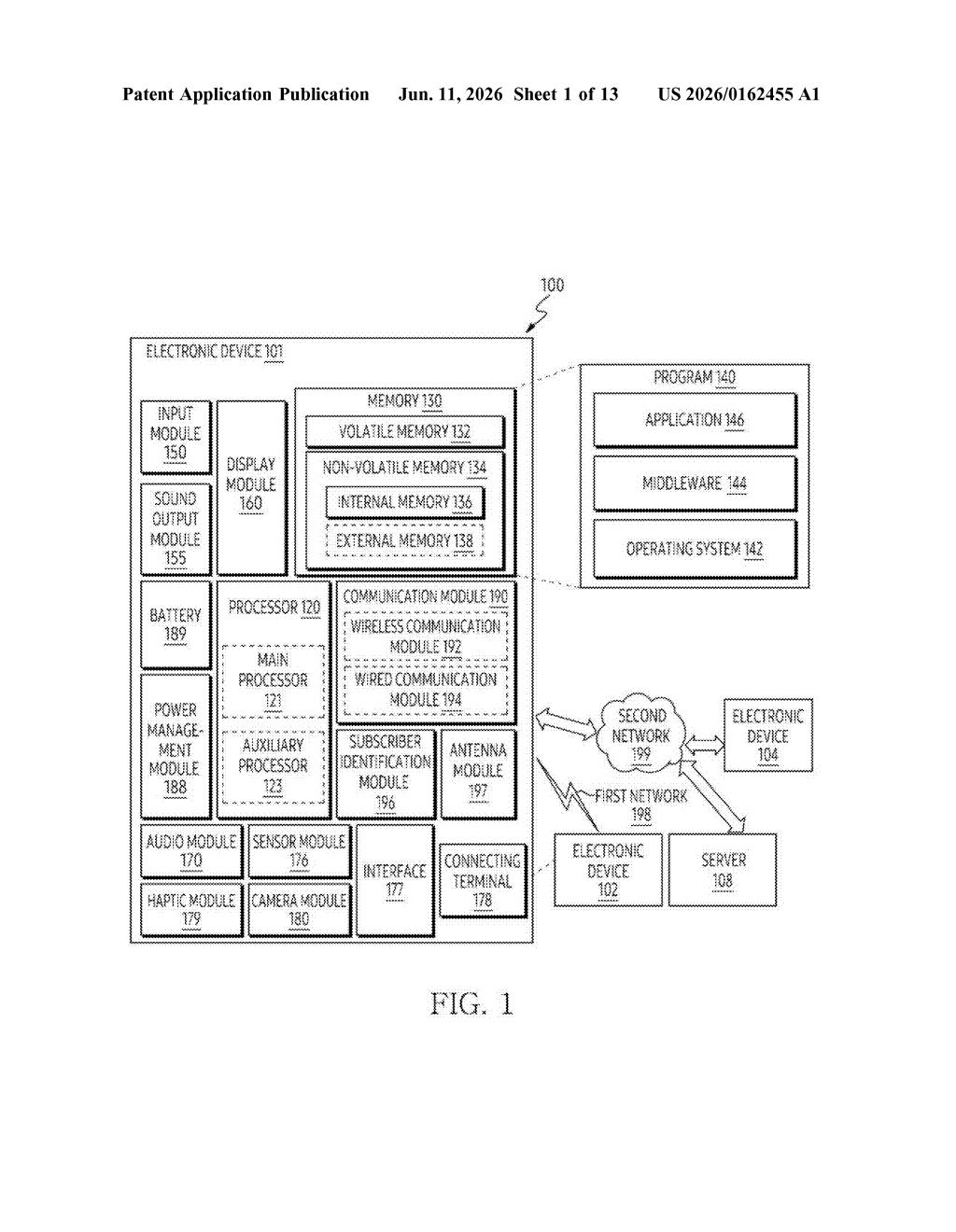
What Samsung's language-aware text reader actually does
Imagine your phone's camera spots text in a photo — maybe a street sign in Japanese, or a receipt in Arabic. Your phone has to "know" how to read that language before it can turn those characters into searchable, copyable text. That language knowledge takes up memory, and loading all of it at once, for every language, is wasteful.
Samsung's patent describes a smarter approach: when your device sees text in an image, it first figures out which language the characters belong to, then pulls only that language's recognition data from a larger storage bank into faster working memory. The text is then identified using just what's needed.
This is essentially the difference between hauling your entire library to a coffee shop versus grabbing just the one book you need for the afternoon. The result is a more efficient process that doesn't clog your device's active memory with data it isn't using right now.
How the two-memory setup picks the right language model
The patent describes an electronic device — almost certainly a smartphone or tablet — with two distinct memory layers and a display-aware text recognition pipeline.
The two-memory architecture is the core idea. A first memory acts as a large-capacity library storing recognition data organized by language category. A second memory is faster, higher-priority working memory — think of it as the desk where active work happens. Only the data for the detected language gets moved from the library to the desk.
The process works in sequence:
- The device detects characters in an image currently shown on screen.
- It classifies those characters by language category (e.g., Latin script, Hangul, Arabic, CJK characters).
- It loads the recognition model or data corresponding to that specific language category into the faster second memory.
- It then runs optical character recognition (OCR — the process of converting an image of text into actual readable text data) using only that loaded subset.
The patent doesn't prescribe a single OCR technique; the architecture is designed to work with whatever recognition method is appropriate per language, making it broadly applicable across Samsung's device lineup.
What this means for Galaxy devices reading foreign text
For users, this translates to on-device text recognition — think Samsung's Live Translate, Bixby Vision, or the text extraction tool in the Gallery app — that runs without hogging the device's active memory. On a mid-range Galaxy phone with limited RAM, that headroom difference can be meaningful for keeping other apps responsive while OCR runs in the background.
For Samsung as a company, it's also a signal of intent around on-device AI. As more language processing moves off the cloud and onto the device itself, managing memory efficiently becomes a key competitive variable. A phone that can recognize text in dozens of languages without slowing down is a more compelling sell in global markets where multilingual households are the norm.
This is a focused, practical engineering patent rather than a flashy AI headline. Samsung is clearly doing real work on making on-device OCR efficient enough to handle multilingual markets without burning through RAM — and that's genuinely useful work for the hundreds of millions of Galaxy users outside English-speaking countries. It's not glamorous, but it's the kind of infrastructure improvement that shows up as a noticeably snappier experience.
There are more where this came from
We read every patent application Big Tech publishes and send you the ones worth knowing. Plain English, free, every week.
Want this weekly breakdown for a company we don't cover? Patentlyze Pro →