
Sony Patents an AI That Tells Game Developers Which Parts of Their Game Are Boring
Imagine a game developer being able to pinpoint the exact chapter where players quit — not by guessing, but because an AI read through millions of play sessions and handed them a report card. That's what Sony is filing a patent for.
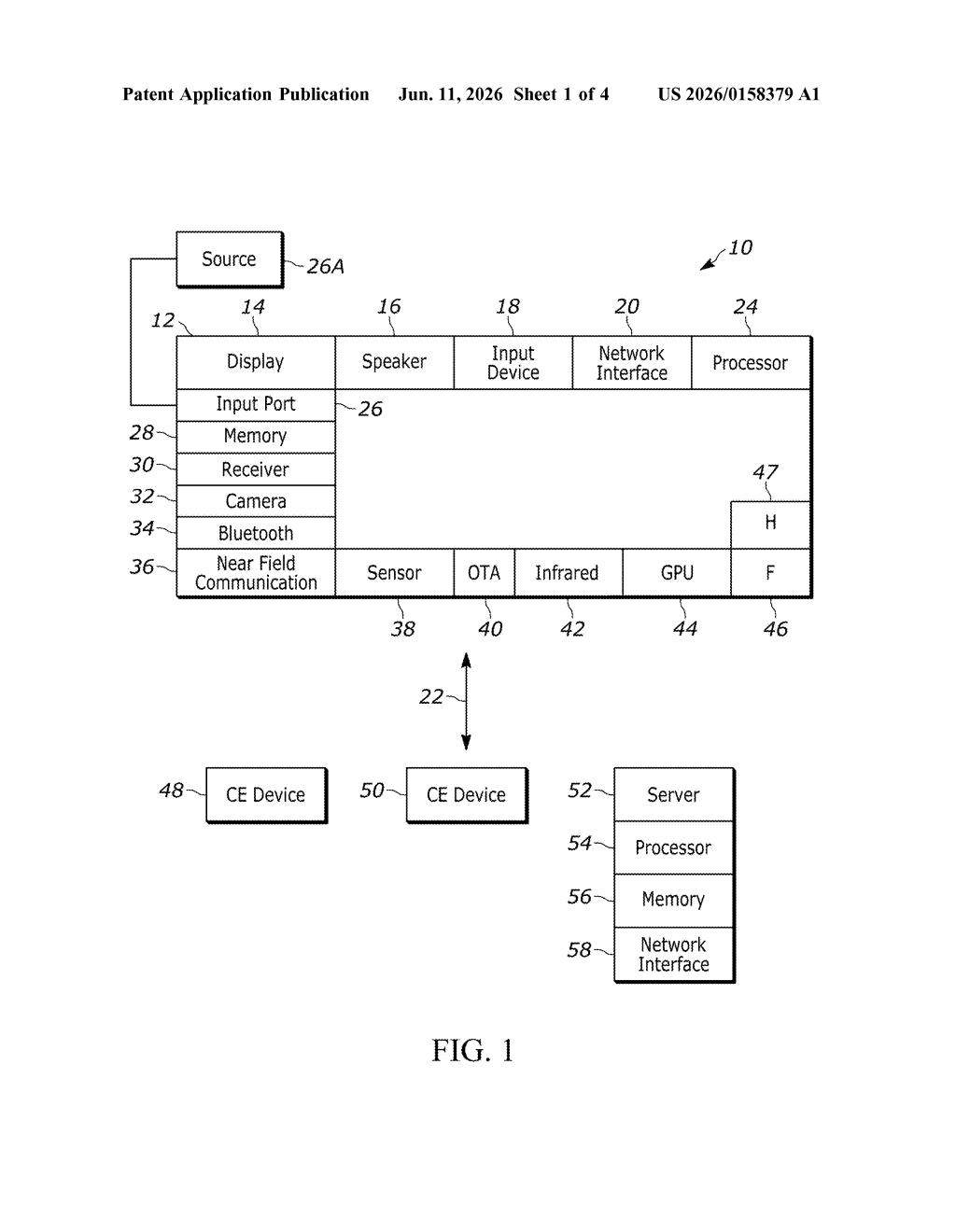
What Sony's AI game-grading system actually does
Think about the last time you played a video game and hit a wall — a level that was too hard, a cutscene that dragged on forever, or a section that just felt off. You probably stopped playing. Game developers often have no idea exactly where that happens or why.
Sony's patent describes an AI system that watches how players actually play a game and produces a structured report for developers. It flags the parts of the game that players seem to enjoy — and the parts where things go wrong. Instead of relying on surveys or gut instinct, the studio gets a breakdown tied to real in-game behavior.
The goal is to help developers fix the unappealing parts of a game before or after launch, using data they already have from players on the network. It's essentially an AI quality consultant built into the game development pipeline.
How the ML models score each section of a game
The system takes in gameplay data — things like how long players spend in each section, where they die repeatedly, where they stop playing entirely, or how they interact with specific mechanics — and feeds that information into one or more machine learning models (software trained on large datasets to recognize patterns).
Those models then generate a report that classifies different portions of the game by quality. The patent language describes at least a "first portion" with a "first quality" and a "second portion" with a "second quality" — which in plain terms means: here's the good stuff, here's the bad stuff.
The report is aimed squarely at game developers, giving them an aggregated, digested view of player experience across a game's full runtime. Rather than reading raw logs or waiting for player feedback forums to fill up, a developer could run this system and get a structured summary.
- Input: play session data from real users
- Processing: one or more ML models trained to interpret engagement signals
- Output: a quality report segmenting the game into appealing and unappealing sections
What this means for how PlayStation games get made
For PlayStation game studios, this kind of tooling could dramatically shorten the feedback loop between shipping a game and fixing its weak spots. Right now, identifying a problem level often means reading through community complaints, running internal playtests, or digging through analytics dashboards manually. An AI that does that synthesis automatically — and points to specific game sections — is a real time-saver.
For players, the downstream effect is games that get patched more precisely. If the AI can tell a developer that Chapter 4's difficulty spike is where 30% of players drop off, that's a much cleaner target than a vague complaint thread. It won't make bad games good, but it could make decent games better, faster.
This is a practical, unsexy patent that solves a real problem in game development — and Sony is in a uniquely good position to deploy it, sitting on a mountain of PlayStation Network play data. The concept isn't novel in the analytics world, but wrapping it in an ML pipeline and positioning it as a developer tool for the game itself is a smart move. If this ships, the studios most likely to benefit are Sony's own first-party teams, which would quietly give PlayStation exclusives a data-driven tuning advantage.
There are more where this came from
We read every patent application Big Tech publishes and send you the ones worth knowing. Plain English, free, every week.
Want this weekly breakdown for a company we don't cover? Patentlyze Pro →