
Google's New Patent Stops Always-On Screens from Burning In
Always-on displays are useful, but leaving the same pixels lit for hours causes uneven wear and burn-in. Google's new patent tackles that by taking turns — splitting the lit pixels into groups and cycling them on and off.
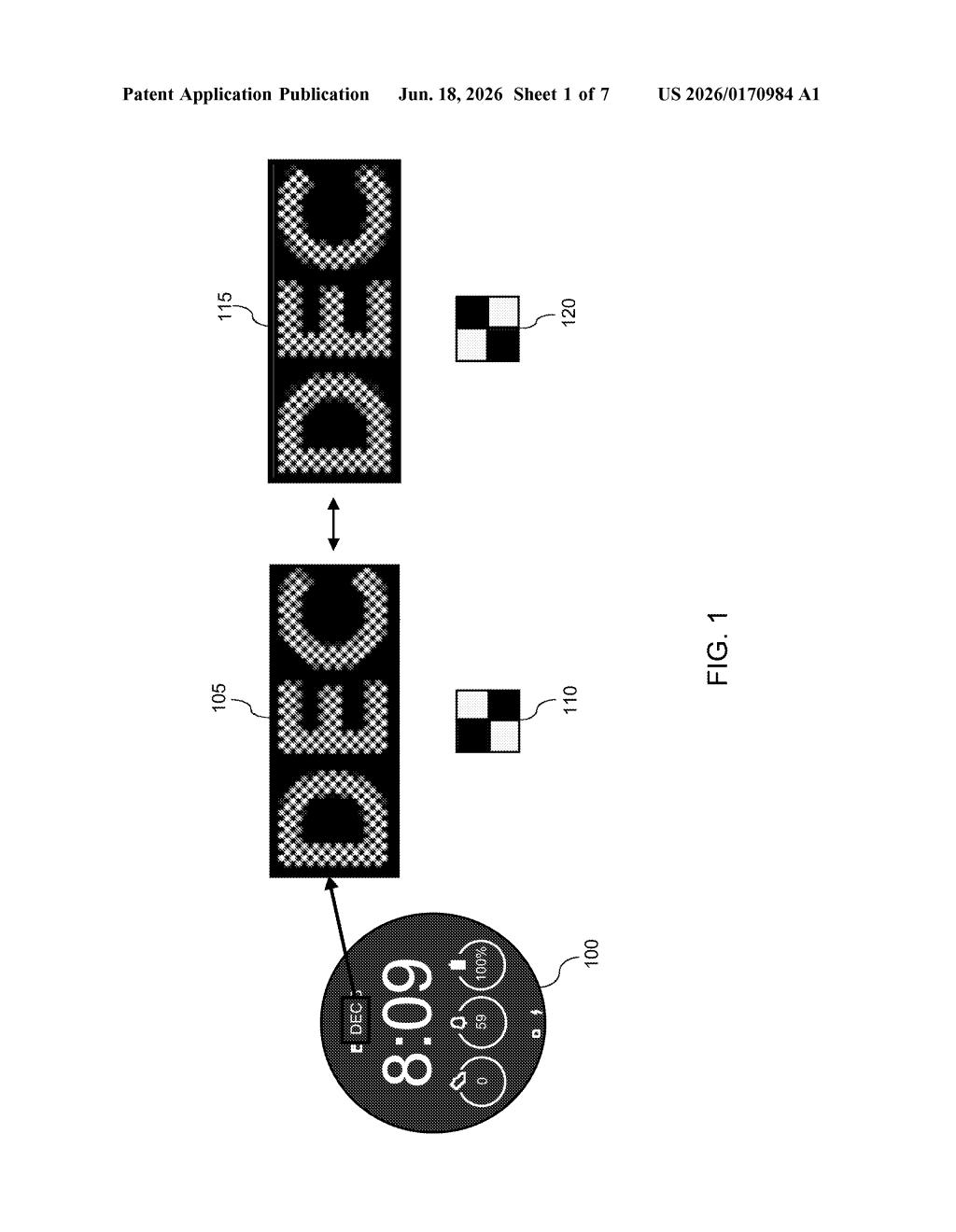
What Google's pixel-rotation trick actually does
Imagine leaving a TV on the same channel for months. Over time, you'd notice a ghost image burned into the screen where the static elements — logos, clocks — used to sit. The same thing happens on smartphone and smartwatch displays that stay partially on all the time.
Google's patent describes a fix: instead of keeping the same pixels lit continuously, the display splits the active pixels into two groups and alternates which group is actually on at any given moment. From your perspective, the screen looks the same. Under the hood, each pixel is getting regular breaks.
This approach spreads the workload across more pixels over time, so no single pixel takes the full brunt of staying lit for hours. The result should be a display that lasts longer and uses slightly less power in always-on mode — both practical wins for devices like Pixel phones and Pixel Watch.
How the two pixel subsets take turns staying lit
The patent describes a pixel refresh method for always-on display (AOD) modes — the low-power state where your screen stays dimly lit showing the time, notifications, or a clock face even when you're not actively using the device.
The core mechanism works in three steps:
- Identify which pixels are currently active (lit) during always-on mode.
- Divide those pixels into at least two mutually exclusive subsets — meaning each pixel belongs to only one group.
- Alternate activation between the subsets, so while one group is lit, the other is momentarily off, then they swap.
The switching happens fast enough that a human eye perceives the display as continuously on. Think of it like how a fluorescent light flickers at 60 times per second — you see steady light, not a strobe. The patent doesn't lock in a specific on/off frequency, leaving room for the implementation to tune that based on the display type and use case.
The approach targets OLED and similar emissive displays, where each pixel generates its own light and accumulates wear independently. By distributing activation time across pixel subsets, the method reduces the differential aging that causes burn-in.
What this means for always-on smartwatch and phone screens
Always-on displays have become a standard feature on flagship phones and smartwatches, but they come with a hidden cost: OLED pixels that stay lit longer degrade faster, leading to permanent ghost images and uneven brightness over time. That's a real durability concern for devices people wear on their wrist 24/7 or glance at on a desk all day.
If Google ships this in Pixel Watch or Pixel phones, it could meaningfully extend screen lifespan without the user noticing any difference in how the always-on display looks. It also reduces the average power draw of AOD mode, which matters on battery-constrained wearables. The patent is narrow and specific — this isn't a platform overhaul, it's a targeted fix for a real problem that every OLED always-on device faces.
This is quiet, practical engineering rather than a flashy feature — but it's the kind of thing that actually improves a product's long-term reliability. Burn-in on always-on OLED displays is a genuine user complaint, and this patent proposes a clean, low-overhead solution. Worth watching if you care about display longevity on Pixel Watch.
There are more where this came from
We read every patent application Big Tech publishes and send you the ones worth knowing. Plain English, free, every week.
Want this weekly breakdown for a company we don't cover? Patentlyze Pro →