
Qualcomm Patents a Way to Handle Too Many Geofences at Once
Your phone tracks dozens of invisible location boundaries at once — and when memory runs out, something has to give. Qualcomm's new patent describes a smarter way to decide what gets dropped.
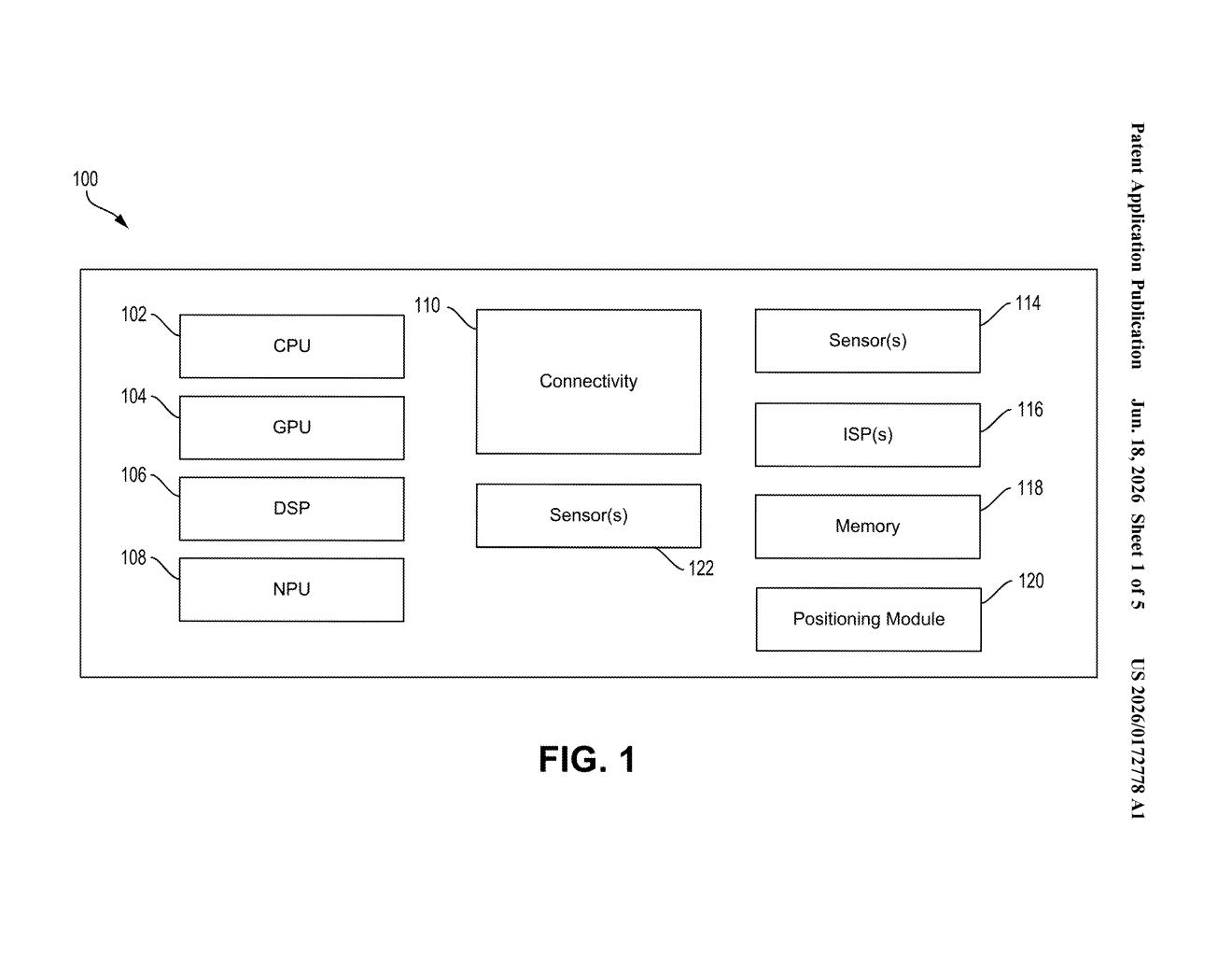
What Qualcomm's geofence memory trick actually does
Imagine you've set up location-based reminders for your home, your office, your gym, and ten other places. Under the hood, your phone stores a map of each of those invisible boundaries — called geofences — so it knows when you've crossed one. But chips have limited memory, and when that memory fills up, the device has to make a choice.
The usual approach is rigid: either reject the new geofence entirely, or follow a strict rule about which old one to delete. Qualcomm's patent describes a different method — one that uses a probabilistic (randomized, weighted) process to pick which existing geofence gets removed, taking into account whether you're currently inside any of them.
The key safeguard: the system won't evict a geofence you're actively inside. That way, you won't suddenly lose an alert you're depending on right now. It's a small but practical fix for a real constraint that affects every location-aware app on the planet.
How the chip decides which geofence data to drop
Geofencing is the technology that lets an app know when you walk into or out of a defined geographic area. Every active geofence requires a small chunk of memory on the device's chip. On Qualcomm processors — which power a huge share of Android phones — there's a hardware limit to how many geofences can be tracked simultaneously.
When that limit is hit and a new geofence needs to be added, the patent describes a four-step process:
- Check if you're inside the existing geofence — if you are, it's protected from deletion.
- Confirm memory is full — only then does the eviction logic kick in.
- Non-deterministically remove one existing geofence — meaning the selection isn't purely first-in-first-out or based on age; it uses a probabilistic (weighted random) method that can factor in signals like how likely you are to enter that zone.
- Write the new geofence into the freed memory slot.
The phrase "non-deterministically" is the crux of the invention. Traditional memory management follows fixed rules. This approach introduces controlled randomness — weighted by location probability — so the device can make smarter trade-offs rather than blindly following a queue.
What this means for location-aware apps and devices
For most users, this is invisible plumbing — but it directly affects whether your location-triggered reminders, smart-home automations, and delivery notifications fire reliably. When a geofence gets dropped at the wrong moment, your app silently fails to alert you, and you often never know why.
For Qualcomm, the angle is about making its chips more capable for the location-services market without increasing memory. As more apps — from retail to logistics to health — rely on dense geofencing, the ability to handle that gracefully at the hardware level becomes a real selling point for device makers choosing a processor.
This is a narrow, practical patent solving a real constraint in geofence-heavy devices. It won't make headlines at a product launch, but it's exactly the kind of low-level fix that determines whether location features work reliably in the real world. The probabilistic angle is genuinely interesting — it trades predictability for better average outcomes, which is a meaningful engineering choice.
There are more where this came from
We read every patent application Big Tech publishes and send you the ones worth knowing. Plain English, free, every week.
Want this weekly breakdown for a company we don't cover? Patentlyze Pro →