
Google Patents a Privacy Filter That Scrubs Your Voice Queries Before Sharing With Third-Party AI Assistants
When you ask a voice assistant something personal, who else hears it? Google is patenting a system that decides — automatically — how much of your spoken query gets passed along to a secondary AI, based on how much that AI is trusted.
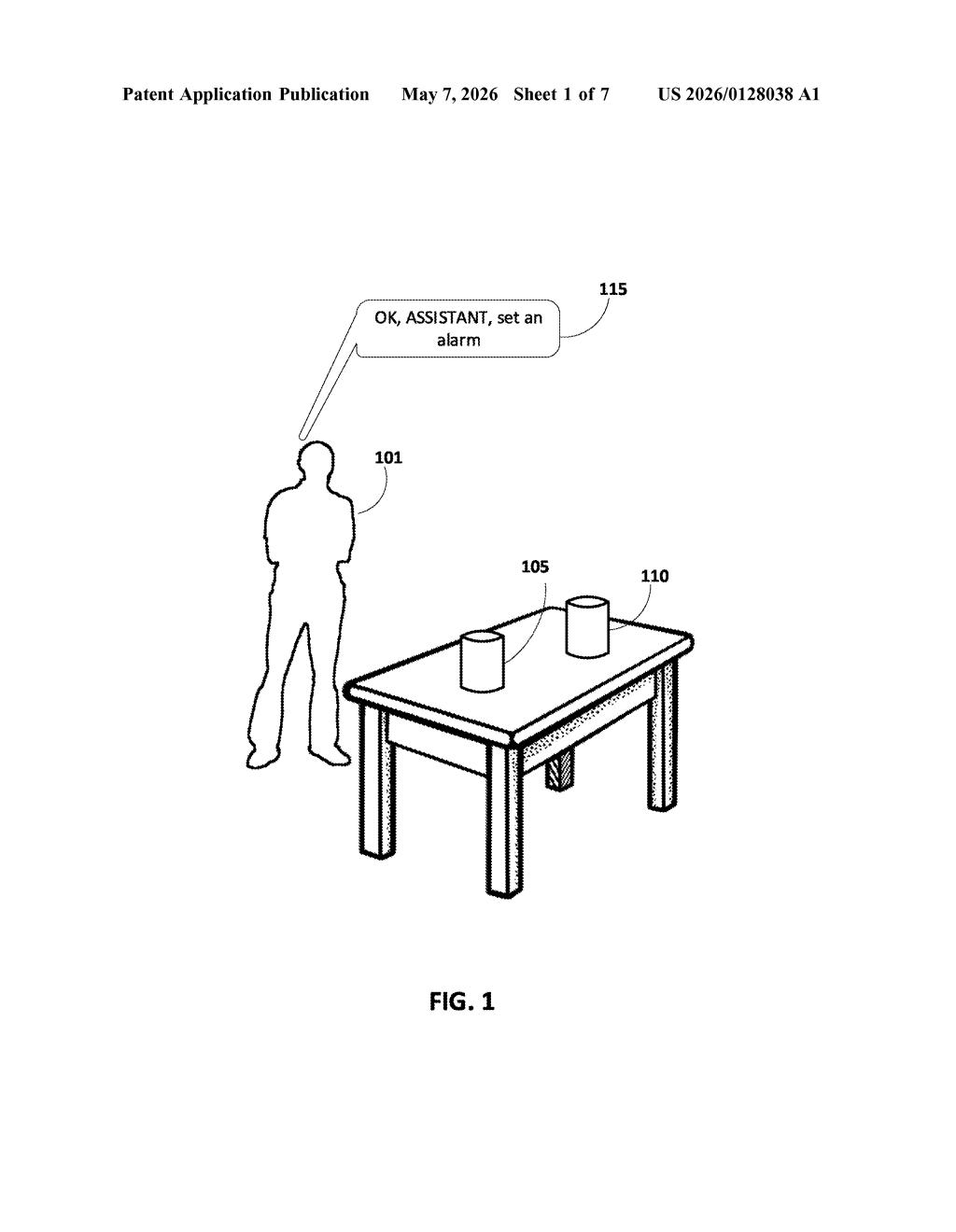
How Google's query-masking system protects your voice data
Imagine you ask your Google Assistant something like, "What's my blood pressure medication refill schedule?" Google's Assistant might need to hand that query off to a third-party AI — say, a pharmacy app's assistant — to actually answer it. But does that third-party AI really need to hear the whole thing, including your name, medication, or other personal details?
This patent describes a system where a "trust metric" — basically a score assigned to each secondary AI assistant — determines how much of your original query gets shared. High-trust assistants get the full picture. Lower-trust ones get a sanitized or partially redacted version that still lets them answer, but without the sensitive bits.
Think of it like a bouncer deciding how much ID you need to show depending on which club you're entering. You might show your full license to a bank, but just your birth year to a bar. The system handles that judgment call for you, silently, every time your voice assistant needs help from another AI.
How the trust metric engine decides what to share
The patent describes a pipeline with several moving parts working together when a user's voice query needs to be routed to a secondary automated assistant (a third-party AI that specializes in something Google's general assistant doesn't handle directly).
At the center is a Query Sensitivity Engine, which analyzes the incoming audio data to flag potentially sensitive content — things like names, health details, financial info, or location data. It then produces a processed query that has been modified based on the trust level of the destination assistant.
The Trust Metric Engine maintains a score for each secondary assistant. This score reflects how much that assistant is trusted with sensitive user data — think of it as a pre-negotiated privacy agreement baked into a number. The system checks this score before routing:
- If trust is high enough, the secondary assistant gets content closely matching the original query.
- If trust is below the threshold, it gets a different, scrubbed version — with sensitive terms omitted or obfuscated.
Responses from the secondary assistant are also filtered through a Response Analysis Engine before reaching the user — adding a second layer of quality and safety control on the way back.
What this means for third-party AI integrations in Google Assistant
As Google Assistant (and its successors like Gemini) increasingly act as orchestrators — coordinating dozens of third-party AI agents to complete complex tasks — the question of what data flows where becomes critical. This patent directly addresses that problem, essentially building privacy enforcement into the routing layer itself. Rather than relying on third-party developers to promise they'll handle your data responsibly, Google's system makes the decision programmatically.
For you as a user, this could mean more confidence using voice assistants for sensitive requests — health, finance, personal scheduling — without worrying that every downstream AI in the chain gets the full unfiltered version of what you said. It's a foundational piece of infrastructure for a world where AI assistants don't work alone.
This is genuinely important plumbing for the multi-agent AI era. As assistant ecosystems get more complex — with one AI calling another calling another — privacy leakage through query routing is a real and underappreciated risk. Google filing this now signals they're thinking carefully about trust hierarchies before the ecosystem explodes, which is the right order of operations.
There are more where this came from
We read every patent application Big Tech publishes and send you the ones worth knowing. Plain English, free, every week.
Want this weekly breakdown for a company we don't cover? Patentlyze Pro →