
Google Patents Ad Slots in Maps That Follow the Shape of the Map Itself
Google is exploring a way to sell ad space inside Maps that isn't a plain rectangle dropped on top of the map, but a slot that traces the actual outline of a city, neighborhood, or country. It's a subtle but telling move about where Google sees Maps revenue going.
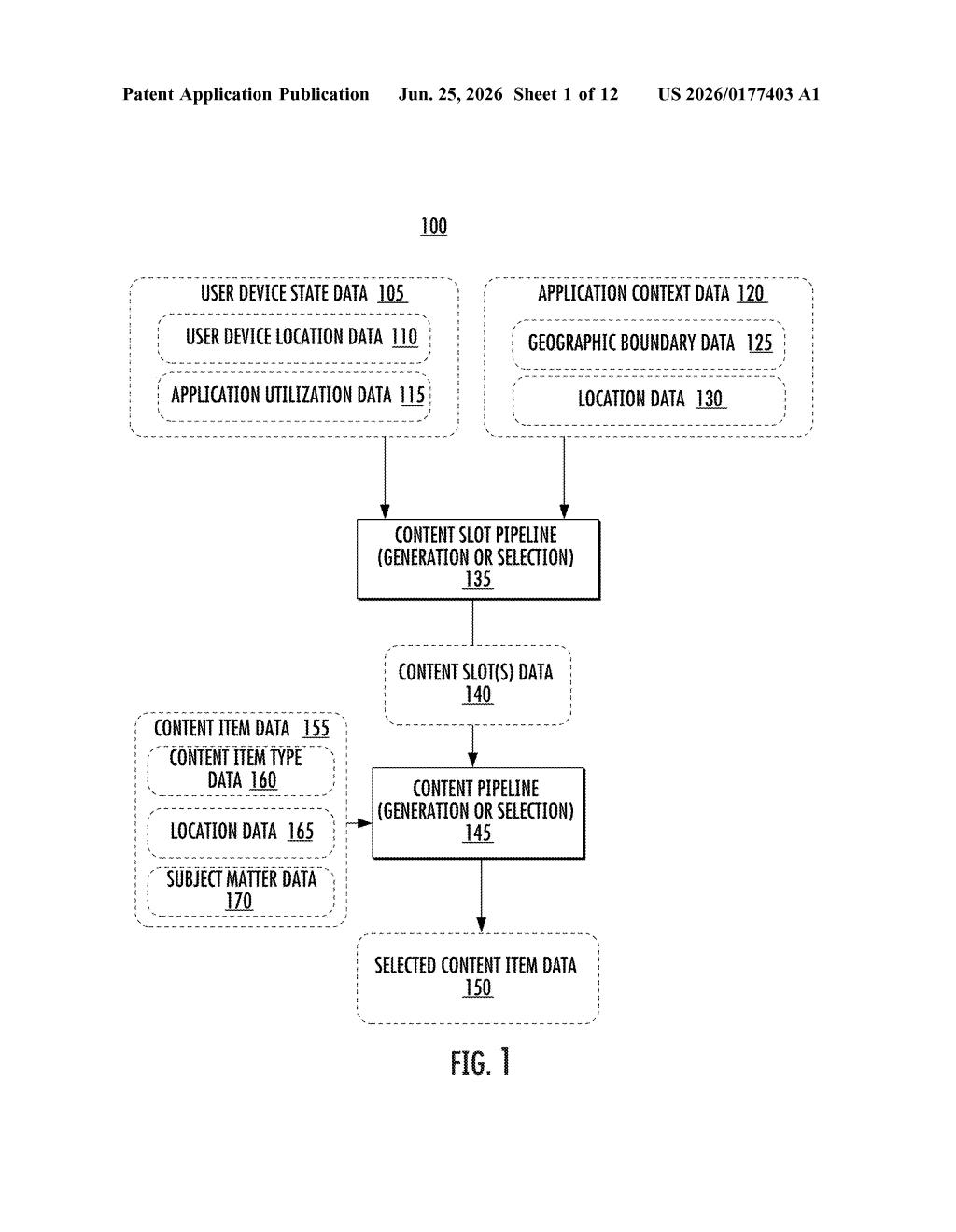
What Google's geography-shaped ad slots actually do
Imagine opening Google Maps and seeing a highlighted area shaped exactly like Central Park, or the outline of Paris, with a sponsored message sitting neatly inside that shape. That's essentially what this patent describes. Instead of a generic banner ad, the promotional content fits the geographic area you're already looking at.
Right now, most ads you see on apps sit inside boring rectangular boxes. Google's idea here is to detect the borders of whatever geographic region is on your screen, generate a matching shape, and then fill that shape with a content item, which could be a sponsored listing, a promotion from a local business, or tourist information.
The practical result is that the ad feels less like a foreign object pasted over the map and more like part of the map itself. Whether that's better for you as a user is debatable, but it almost certainly makes the ad space more attractive to advertisers who want their brand tied to a specific place.
How the system traces borders to build content slots
When you open a map application, the system detects the geographic area you're viewing and pulls in the boundary data for that area, the same kind of polygon data that draws country borders or city limits on a map.
From that boundary, the system generates a matching shape, essentially tracing the outline of the region. It then creates a multi-dimensional content slot that conforms to that shape. Think of it like a cookie cutter: the geographic border is the cutter, and the slot is the cookie-shaped space left behind.
Once the slot exists, the system picks a content item to fill it. The patent doesn't specify exactly what that content is, but the context points clearly toward sponsored or promotional material tied to that geographic area. The filled slot is then sent to your device and rendered inside the map's user interface.
Key elements of the system include:
- Detecting when a map app opens on a device
- Reading geographic boundary data for the visible area
- Generating a polygon or custom shape from those boundaries
- Selecting and delivering a content item to fill that shape
What this means for ads inside Google Maps
Google Maps is one of the most-used apps on the planet, and advertising inside it is big business. But standard rectangular ad formats look clunky on a map and can obscure streets or landmarks. A slot that actually follows geography is harder to visually dismiss and potentially more relevant to what you're looking at, which makes it worth more to an advertiser targeting, say, tourists visiting a specific neighborhood.
For users, this is a double-edged deal. Ads that blend into the map's visual language could feel less intrusive, but they also become harder to identify as ads at all. That's a real transparency question worth watching, especially as regulators in the EU and elsewhere look more closely at how advertising is labeled inside navigation and mapping tools.
This is a monetization patent, plain and simple, and Google is being pretty direct about it. The engineering is interesting but the intent is commercial: make ad space inside Maps feel native enough that users don't scroll past it and advertisers pay a premium. Whether it ships in this exact form matters less than what it signals about Google's Maps ad strategy.
There are more where this came from
We read every patent application Big Tech publishes and send you the ones worth knowing. Plain English, free, every week.
Want this weekly breakdown for a company we don't cover? Patentlyze Pro →