
Samsung Patents Widgets That Rearrange Themselves When You Resize Them
Resizing a widget on your phone often turns it into a jumbled mess. Samsung is patenting a system that would automatically reposition everything inside a widget the moment you change its size.
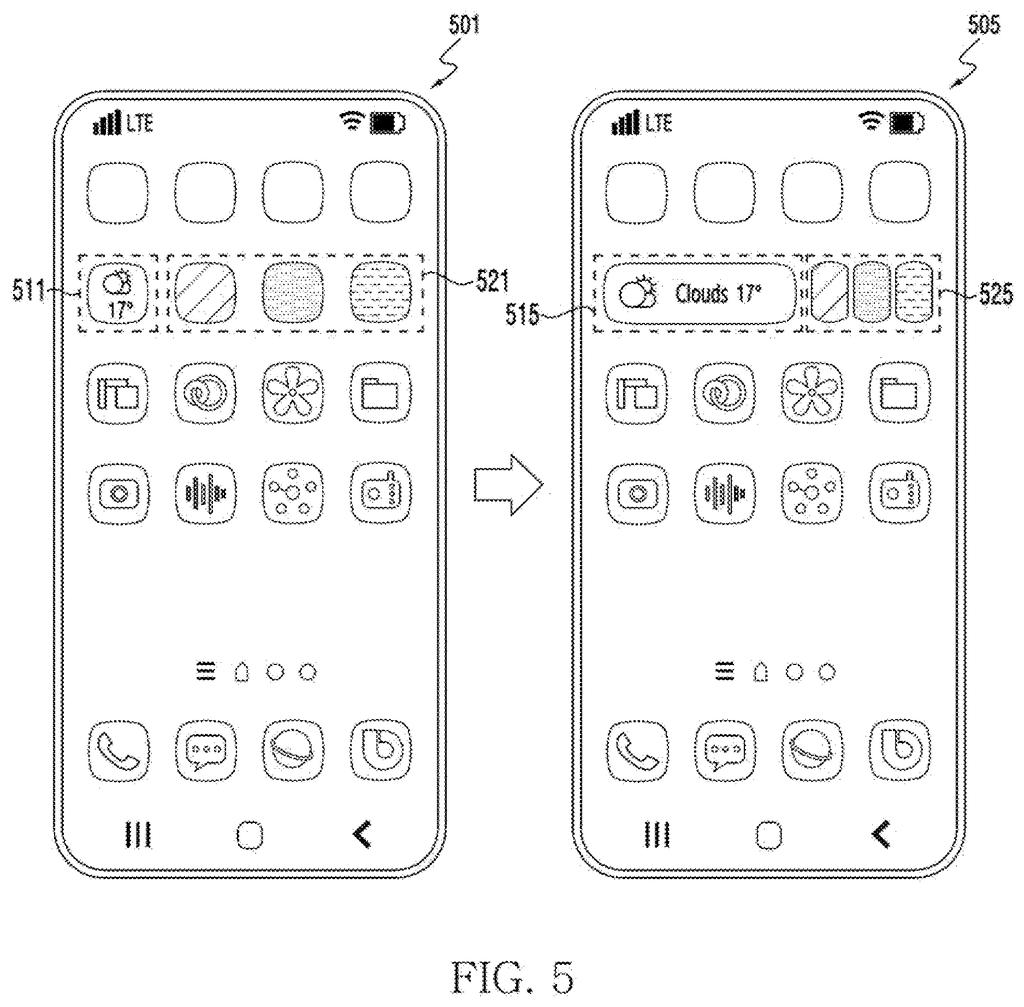
What Samsung's self-adjusting widget system actually does
Picture this: you have a weather widget on your home screen. You drag its corner to make it bigger, and instead of the text and icons squishing into awkward positions, everything smoothly rearranges itself to fit the new shape. That's the core idea here.
Samsung's patent describes a system that watches for when you resize a widget, then consults a kind of blueprint (called a template) matched to that new size. The blueprint tells the device exactly where each piece of content inside the widget should land after the resize.
Right now, resizing widgets on Android can be hit-or-miss. Some apps handle it gracefully; others don't. This patent suggests Samsung wants to bake that intelligence directly into the platform so the behavior is consistent no matter which widget you're adjusting.
How the template object picks where content lands
When a user resizes a widget, the system does three things in sequence:
- Detects the resize input and calculates the new dimensions.
- Looks up a matching widget template object, essentially a pre-defined layout map keyed to that specific size, and reads the attributes (position, size, type) of each element already inside the widget.
- Relocates each element according to the template, then renders the updated widget on screen.
The key mechanism is the widget template object. Think of it like a grid blueprint: for every supported size a widget can be, there's a corresponding layout spec that says where the clock face, the temperature number, the icon, and so on should sit. The patent focuses on matching both the new size and the existing attributes of each object inside the widget, which suggests the system can adapt intelligently rather than just scaling everything uniformly.
The claim covers the full pipeline: from input detection to template lookup to relocation to display, all handled at the device level.
What this means for Android home screen customization
Home screen widgets are one of Android's most distinctive features, but inconsistent resize behavior has always been a weak point. If Samsung builds this into One UI at a system level, any widget on a Galaxy device could benefit from predictable, tidy resizing without app developers having to write custom resize logic themselves.
For users, the practical win is a home screen that doesn't require manual cleanup every time you rearrange your layout. For developers, it could mean less work handling edge cases. The patent is fairly narrow in scope, so don't expect this to transform what widgets can do, but it's a real quality-of-life fix for something people bump into constantly.
This is a small but genuinely useful fix for a real and persistent annoyance. It's not flashy engineering, but if Samsung ships this well, it's the kind of thing users notice without knowing why their phone suddenly feels more polished. Worth watching for One UI updates.
There are more where this came from
We read every patent application Big Tech publishes and send you the ones worth knowing. Plain English, free, every week.
The drawings
18 drawing sheets from US 2026/0211545 A1 · click any drawing to enlarge


Want this weekly breakdown for a company we don't cover? Patentlyze Pro →
Be the first to weigh in