
Samsung Patents Technology to Keep Two Screens Matched at the Same Brightness
If you've ever unfolded a foldable phone and noticed the two halves of the screen look slightly different, this patent is Samsung's attempt to fix that at the hardware level.
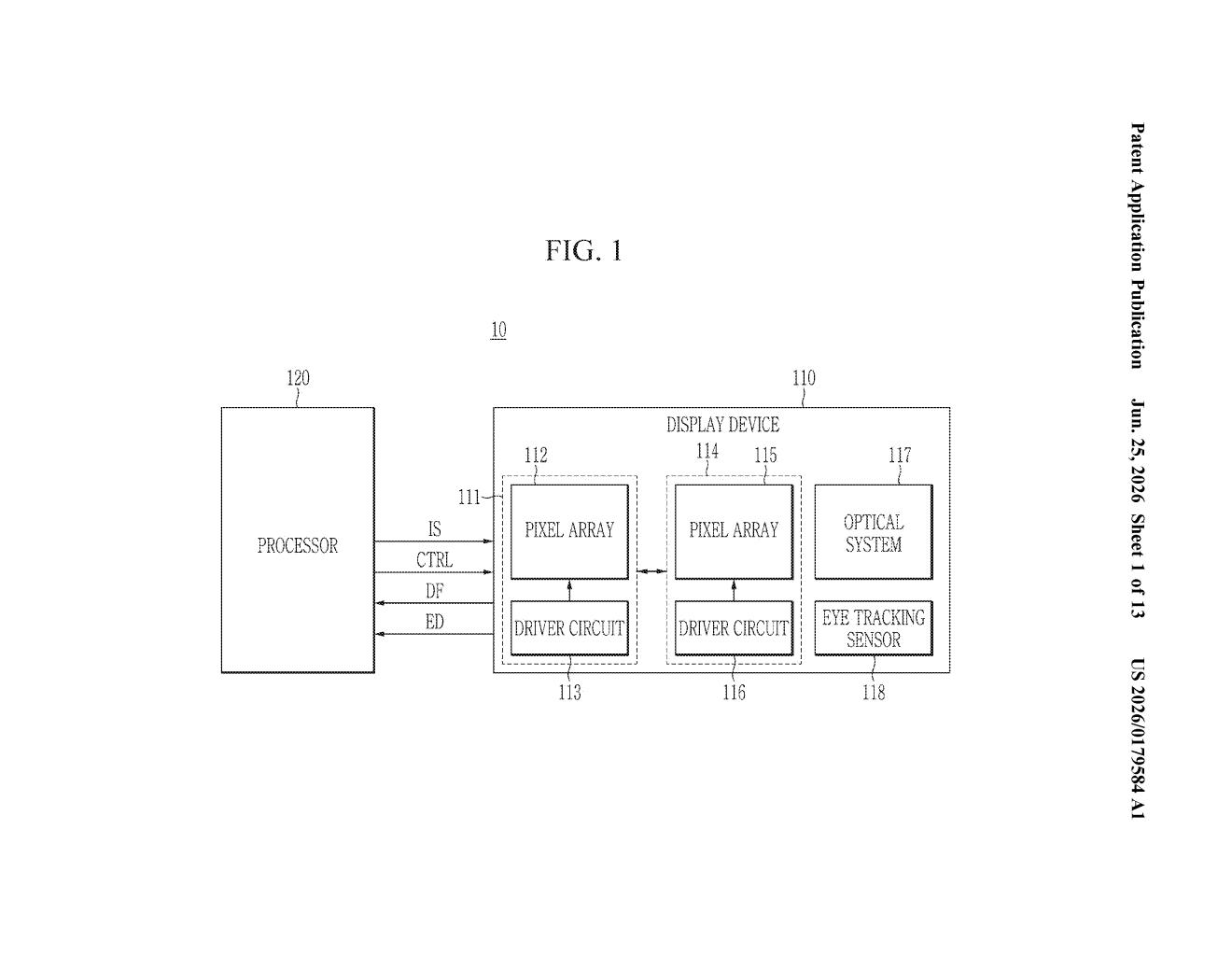
What Samsung's dual-screen brightness sync actually does
Imagine opening a foldable phone to watch a video and noticing one half of the screen looks slightly warmer or dimmer than the other. It's subtle, but once you see it, you can't unsee it. That mismatch happens because each display panel has its own driver circuit, and those circuits can drift out of step over time.
Samsung's patent describes a system that continuously monitors the brightness signals going to each panel and compares them. If the difference is small enough, it leaves things alone. But if one panel starts pulling noticeably brighter or dimmer than the other, the system automatically adjusts the lagging panel's signal to bring it back into line.
The result is that both screens should look like a single, consistent surface rather than two panels taped together. This kind of correction happens invisibly in the background, without you needing to touch any settings.
How the circuit compares and corrects gamma voltages
Each display panel is controlled by a gamma reference voltage (the electrical signal that sets how bright or dark different shades of color appear on screen). In a device with two panels, each panel has its own driver circuit producing its own gamma reference voltage, and those two voltages can diverge.
The patent describes a display driving circuit that sits above both panel drivers and does the following:
- Continuously compares the first panel's gamma reference voltage against the second panel's.
- Calculates the difference between the two values.
- If the difference falls below a preset threshold, it does nothing and lets both panels run as-is.
- If the difference meets or exceeds that threshold and the second panel is running lower than the first, it intervenes: either adjusting one of the voltages, or selecting the correct reference voltage and routing it to the lagging panel.
The key design choice is the dead band (a tolerance zone where small, imperceptible differences are ignored). This prevents the system from making constant micro-corrections that could introduce flicker or instability. Only meaningful divergence triggers a real adjustment.
What this means for foldable and multi-panel Samsung devices
Foldable phones are Samsung's flagship product category, and the most common visual complaint about them is inconsistent color or brightness across the fold. A hardware-level correction system like this addresses that problem without relying on software calibration that users have to find in a settings menu.
The patent also applies to any device with two separate display panels, which could include dual-screen laptops, rollable displays, or large monitors with multiple panel segments. For you as a user, the practical payoff is a screen that looks uniform whether you're reading, watching video, or doing color-sensitive work like photo editing.
This is a focused, practical engineering patent rather than a headline-grabbing concept. Samsung's foldables have a real and well-documented brightness consistency problem, and this patent addresses it directly at the driver level. It's the kind of unglamorous fix that actually improves daily use.
There are more where this came from
We read every patent application Big Tech publishes and send you the ones worth knowing. Plain English, free, every week.
Want this weekly breakdown for a company we don't cover? Patentlyze Pro →