
Samsung Patents an AI Assistant That Skips the Heavy Thinking When It Already Knows the Answer
Every time you ask your phone's AI assistant a question, it fires up a full AI model to generate an answer, even if it answered the exact same question five minutes ago. Samsung's new patent describes a system that checks two faster shortcuts first, only calling the AI model as a last resort.
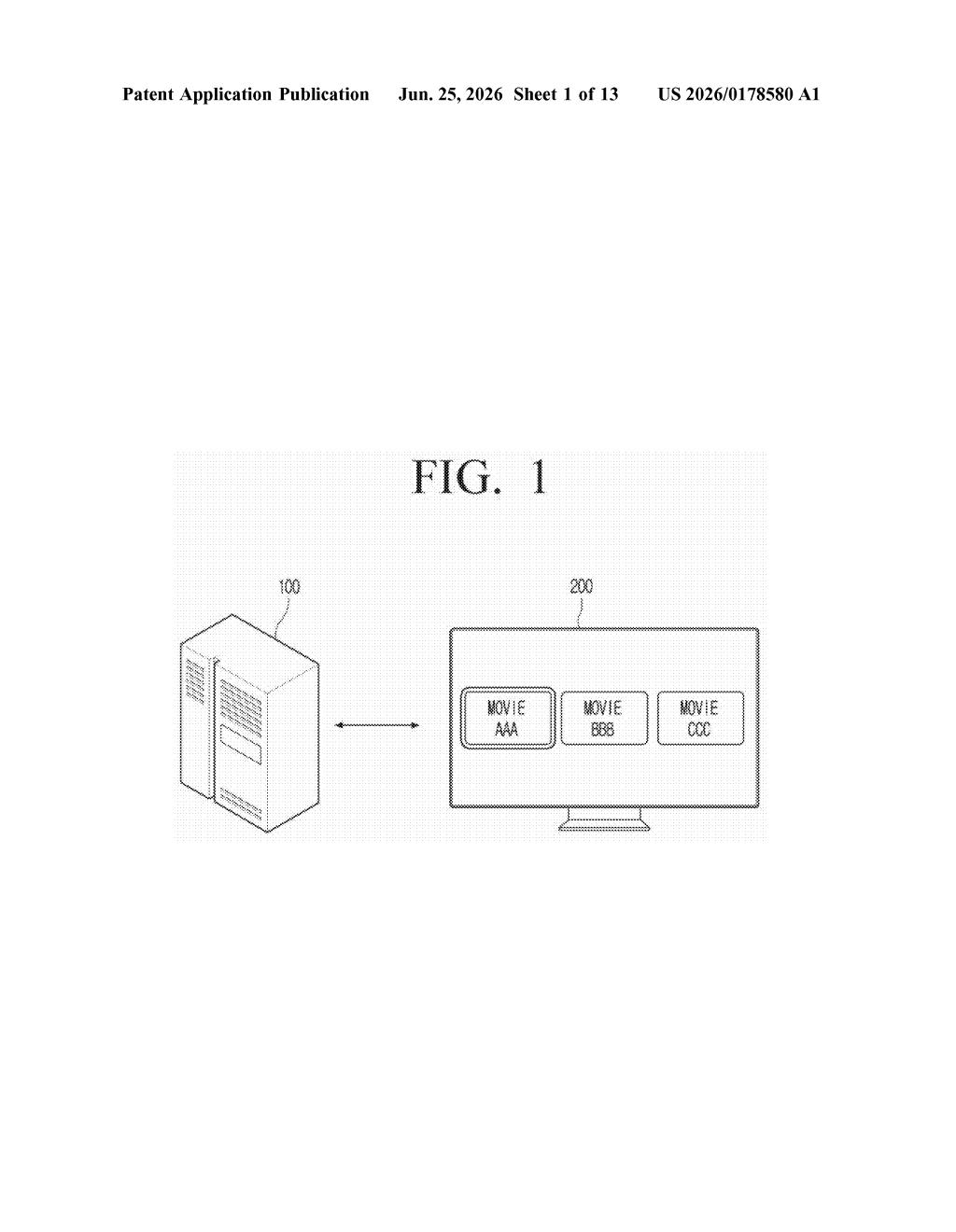
How Samsung's tiered query lookup actually works
Imagine asking your TV's voice assistant what the weather is, and it has to spin up a huge AI engine every single time, even though you asked the same thing yesterday. That's wasteful, and it adds a tiny but real delay to every answer.
Samsung's patent describes a smarter order of operations. When you ask a question, the device first tries to match a keyword to a pre-built set of answers. If that fails, it checks a history log of questions the device has already answered before. Only if both of those checks come up empty does it actually send your question to the full AI model for a fresh answer.
The result is that common or repeated questions get answered almost instantly from a local shortcut, while genuinely new questions still get the full AI treatment. Your device does less work overall, which can mean faster replies and lower battery drain.
The three-step decision chain inside Samsung's system
The patent describes a three-layer lookup system for handling user queries on a device.
- Layer 1 (keyword lookup): The device converts your spoken or typed question into text, then checks whether a keyword from that text matches a stored answer in a pre-built database. Think of it like a fast-lookup table for common commands.
- Layer 2 (query history database): If no keyword match is found, the device checks a log of past queries it has already processed. If the same question was answered before, it can return that cached response without re-running the AI model.
- Layer 3 (AI model inference): Only if both prior checks fail does the system send the full text to an artificial intelligence model (the computationally expensive step that generates a brand-new answer) to produce a response.
The claim is intentionally broad: it covers any "electronic apparatus," meaning this could apply to Samsung TVs, refrigerators, phones, or tablets. The patent does not specify which AI model sits at layer 3, only that the system avoids calling it whenever a cheaper shortcut exists.
What faster, cheaper AI responses mean for Samsung devices
For you as a user, the clearest benefit is speed. Questions you ask repeatedly, or questions your device already has canned answers for, would return results faster because the system skips the slowest step. On lower-powered devices like a smart TV or a connected appliance, where running a full AI model is genuinely taxing, that shortcut matters more than it would on a flagship phone.
For Samsung as a company, this is about reducing the computational cost of AI features across its enormous range of products. Running AI inference constantly is expensive in energy and processing load. A caching layer that absorbs a significant portion of queries before they reach the model is a practical way to ship AI-powered assistants on cheaper hardware without degrading the experience too badly.
This is a fairly ordinary software architecture patent covering a caching strategy that engineers have applied to databases and search systems for decades. The novelty here is applying it specifically to the AI query pipeline in consumer devices. It's not a technical leap, but it is a sensible, shippable optimization that could improve responsiveness across Samsung's entire Bixby-powered product lineup.
There are more where this came from
We read every patent application Big Tech publishes and send you the ones worth knowing. Plain English, free, every week.
Want this weekly breakdown for a company we don't cover? Patentlyze Pro →