
Samsung Patents a System for Spreading Wireless Audio to Multiple Devices Simultaneously
Imagine a train station where every passenger can tune into the same audio feed on their earbuds without any of them pairing to the same device. Samsung is patenting the behind-the-scenes coordination that makes that kind of Bluetooth group broadcast possible.
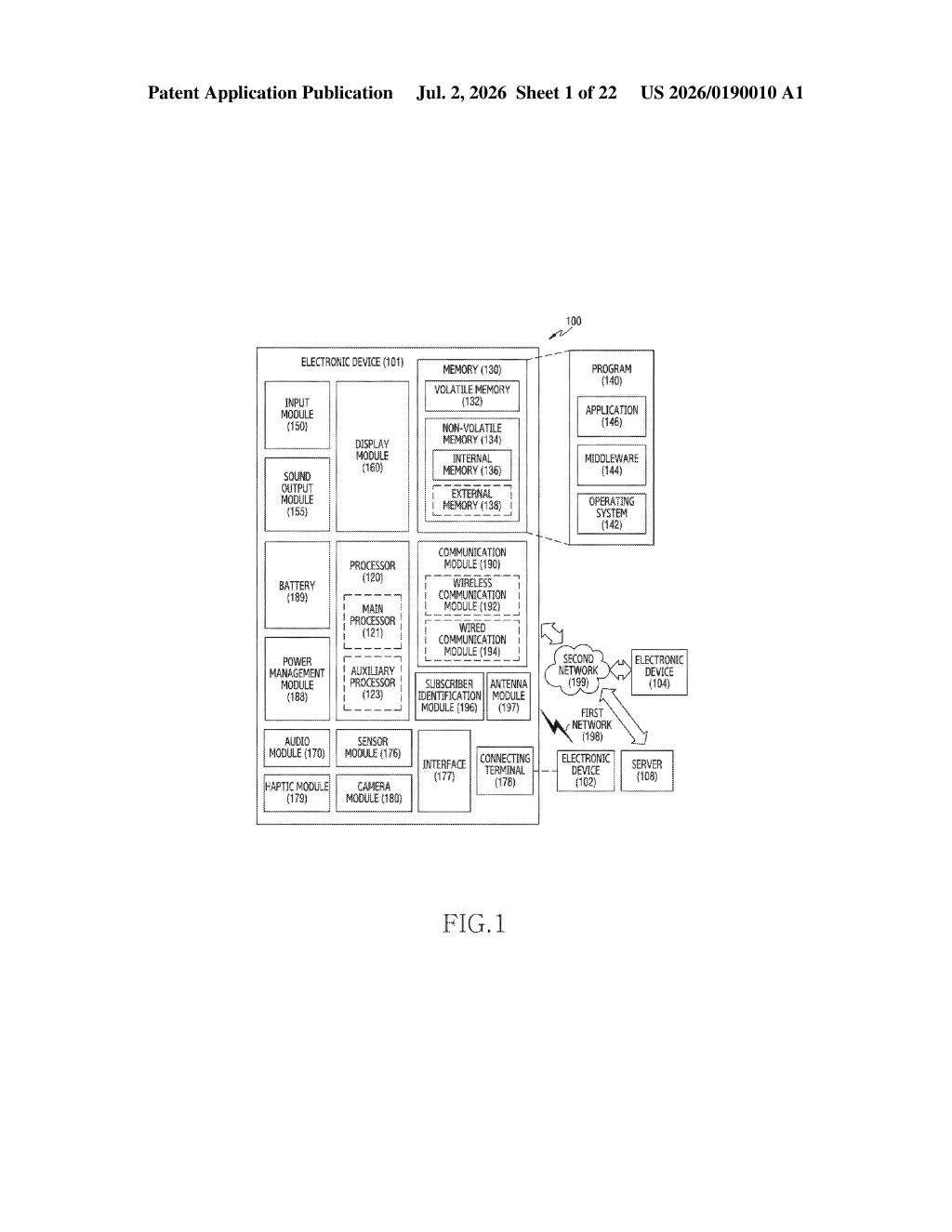
How Samsung wants to spread Bluetooth audio to more ears
Standard Bluetooth pairs one device to one other device. But a newer mode called broadcast audio lets a single source send audio to an unlimited number of listeners at once, the way a radio tower sends to any radio in range. The catch is that the source device has to constantly shout out a signal so listeners know the broadcast exists.
This patent is about letting a second device help shout out that signal. Instead of one phone or speaker doing all the announcing, it can ask a nearby device to assist, negotiate the terms of that help, and hand off the relevant details so the assistant can relay the announcement accurately.
The practical result: a broadcast audio feed could reach more people, in a bigger space, with less strain on the original source. Think assisted-listening systems in museums, gyms, or airports, without anyone having to download an app or pair a device.
How the BIS advertising negotiation actually works
The patent centers on Broadcast Isochronous Stream (BIS), a Bluetooth Low Energy feature that lets one device stream audio to many receivers simultaneously, no pairing required. The source device periodically broadcasts an advertising signal, which is essentially a beacon telling nearby earbuds or headphones that a stream is available and how to join it.
The problem this patent addresses: if the source device is far away, or in a crowded RF environment, that beacon may not reach all intended listeners reliably.
The solution is a coordinated handoff:
- The source device sends a request for assistance to a nearby capable device.
- It shares the advertising signal details, including metadata about the stream itself.
- The two devices negotiate, agreeing on how the assistance will work (timing, parameters, responsibilities).
- The source then sends the assistant device the final information it needs to re-broadcast the beacon on the source's behalf.
All of this runs over Bluetooth Low Energy (BLE), the same low-power radio layer already in phones, earbuds, and hearing aids.
What this means for Bluetooth audio in public spaces
Broadcast Bluetooth audio (standardized under Bluetooth LE Audio and the Auracast brand) is still gaining traction in real-world venues. One persistent barrier is signal range: a single transmitter in a large room may not reliably reach every listener. A device-assisted relay system, like the one Samsung is patenting, could extend that reach without requiring dedicated infrastructure like Wi-Fi routers or proprietary repeaters.
For you as a consumer, this is most relevant if you use hearing aids or earbuds that support Auracast in public venues. For Samsung, it positions Galaxy devices, whether phones or earbuds, as active participants in a broadcast chain rather than passive receivers.
This is a focused, infrastructure-level patent rather than a consumer-facing feature. It solves a real engineering problem with Bluetooth broadcast audio range, and the negotiation-based design is a thoughtful approach. It won't make headlines on its own, but it's the kind of building block that makes Auracast actually usable in large venues.
There are more where this came from
We read every patent application Big Tech publishes and send you the ones worth knowing. Plain English, free, every week.
Want this weekly breakdown for a company we don't cover? Patentlyze Pro →
Be the first to weigh in