
Samsung Patent Enables Two Apps to Run Simultaneously in Foreground
Most phones can show two apps at the same time, but only one is really 'active' at any moment. Samsung's new patent wants to change that by letting both apps run fully in the foreground simultaneously, each one responding to your input as if it owns the whole screen.
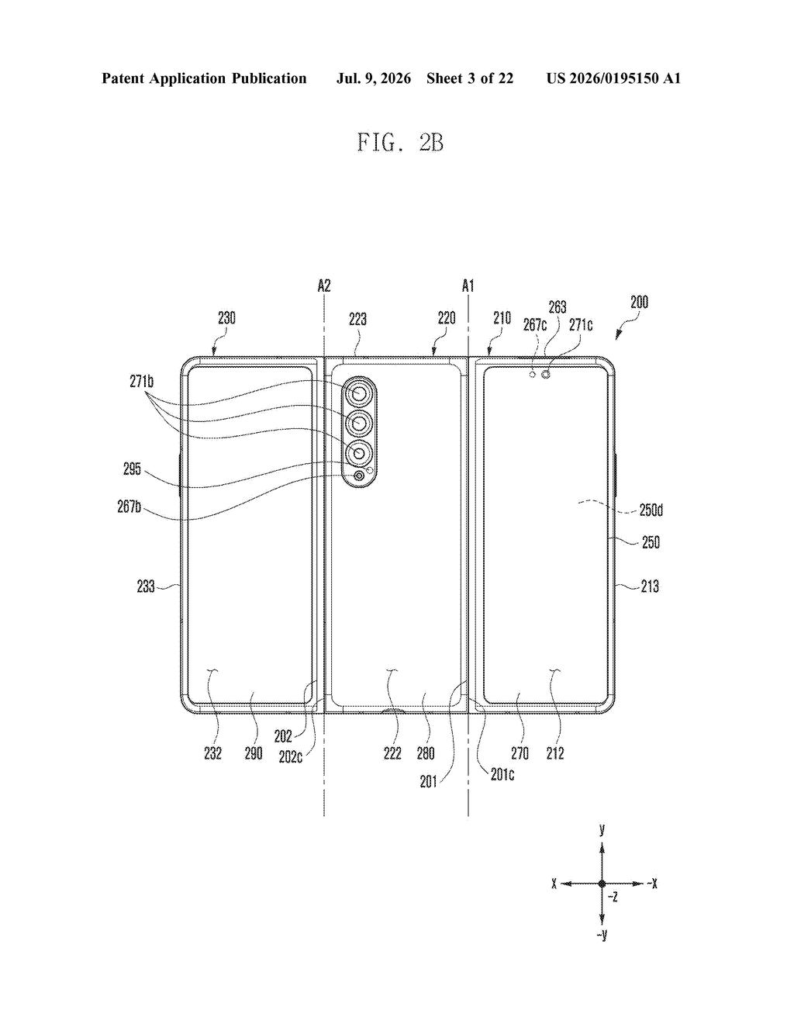
What Samsung's dual-foreground screen split actually does
Imagine watching a video on one half of your phone while typing in a chat app on the other half, and both actually respond to you in real time without either one pausing or lagging behind. That's the core idea here.
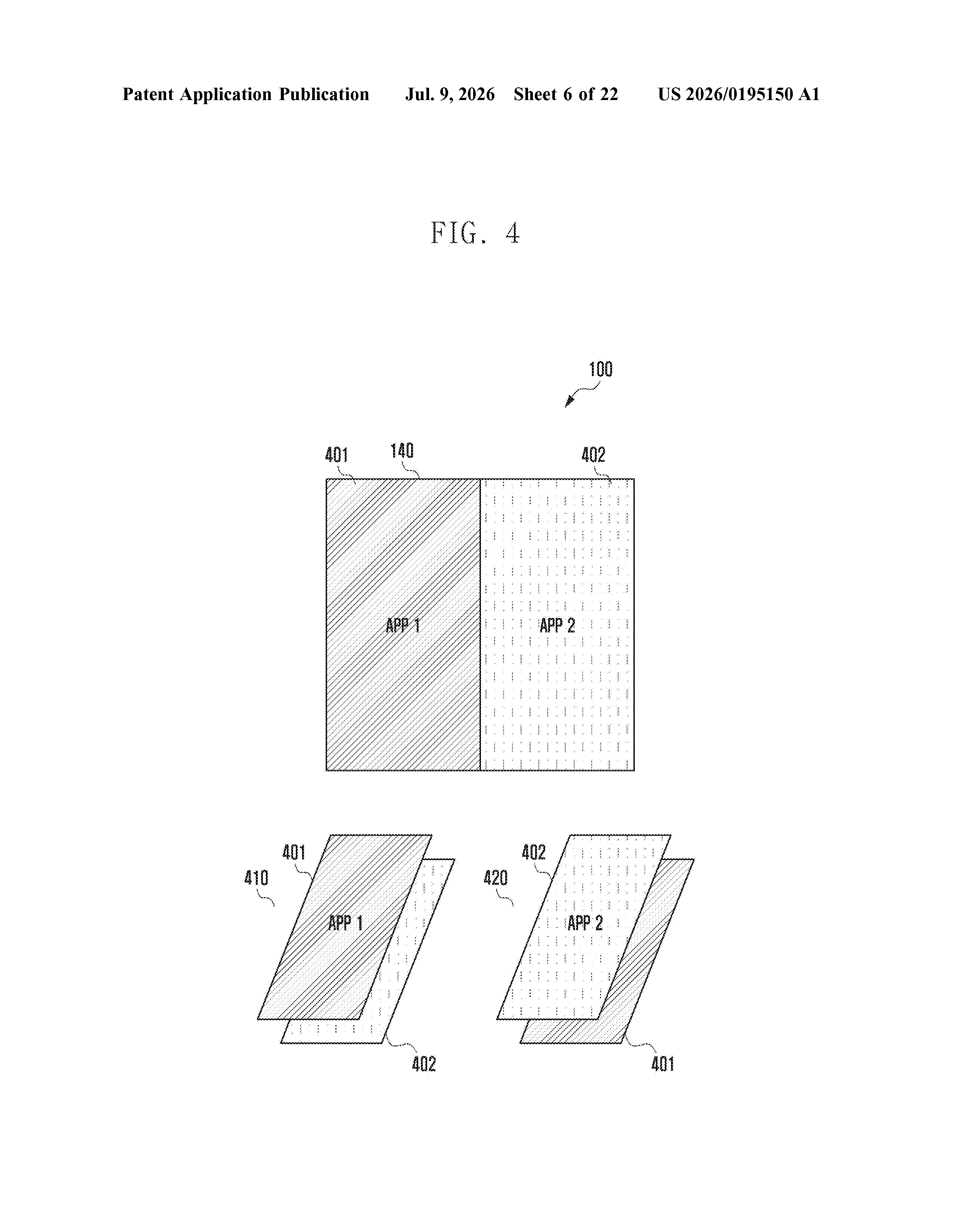
Right now, most split-screen setups treat one app as the 'main' one and the other as a kind of passenger. Samsung's patent describes a system where the screen is divided and both apps run fully in the foreground at the same time, each getting its own slice of screen real estate.
The clever part is how the phone figures out which app you're talking to. When you tap or swipe, the device checks where on the screen your finger landed and automatically sends that action to whichever app owns that half. You don't have to tap to switch focus first. It just works.
How the device routes taps to the right app
The patent describes an event-routing system that makes true simultaneous foreground operation possible across a divided display.
Here's the basic flow:
- When a specific condition is met (for example, opening a second app while one is already running), the device splits the display into two regions.
- Each region is assigned to one app, and both apps are treated as foreground processes (meaning they both get full processing priority, not just the one you last touched).
- When any input event occurs, such as a tap, swipe, or keyboard press, the system checks which display region the event originated from and delivers it to the corresponding app.
- The two apps process their events independently, so a scroll in one half doesn't interfere with anything happening in the other.
The key technical distinction is the independent event dispatch. Traditional split-screen modes share a single foreground 'focus,' so only one app fully processes input at a time. This patent's architecture separates the event queues so neither app has to wait for the other.
What this means for Galaxy foldable multitasking
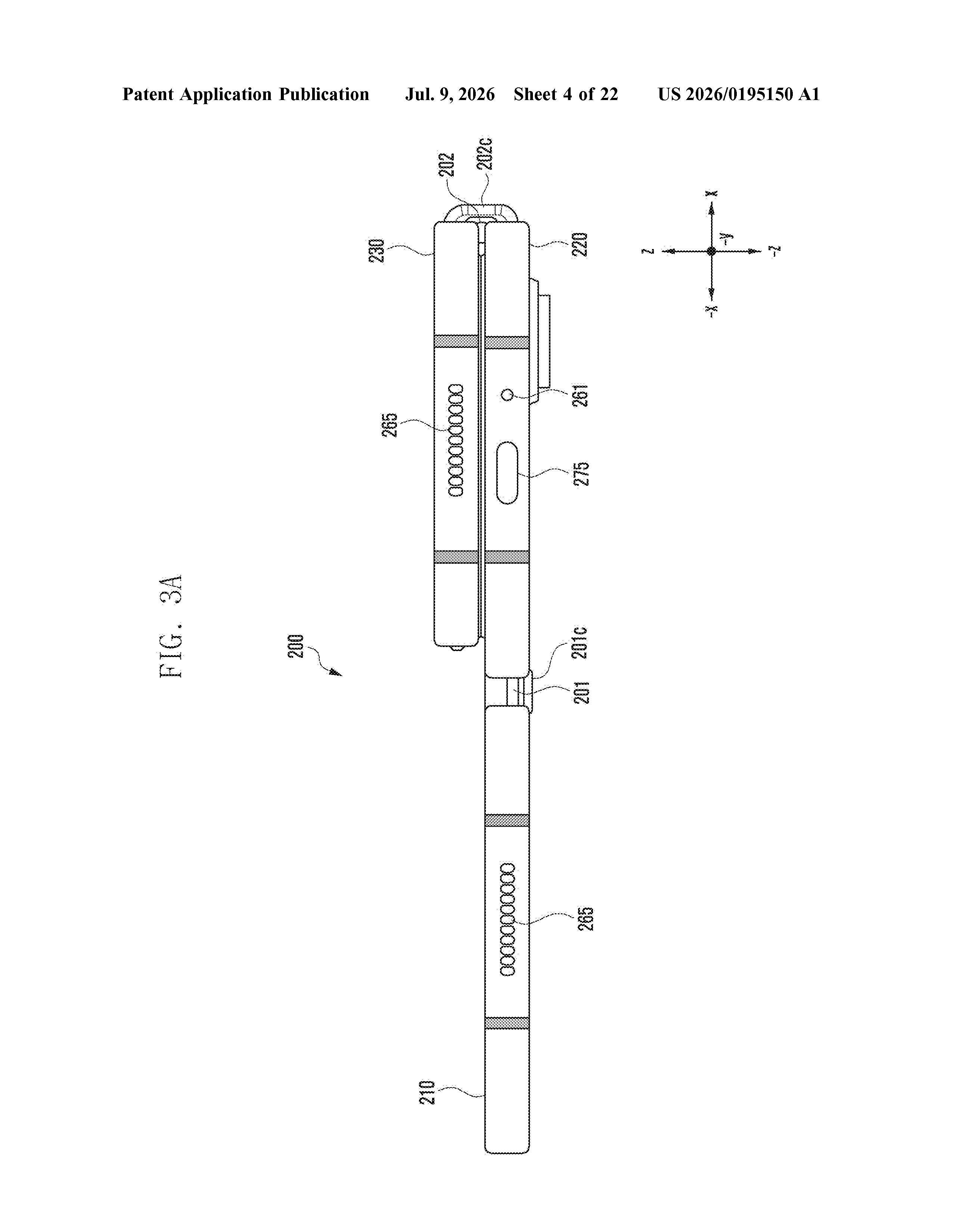
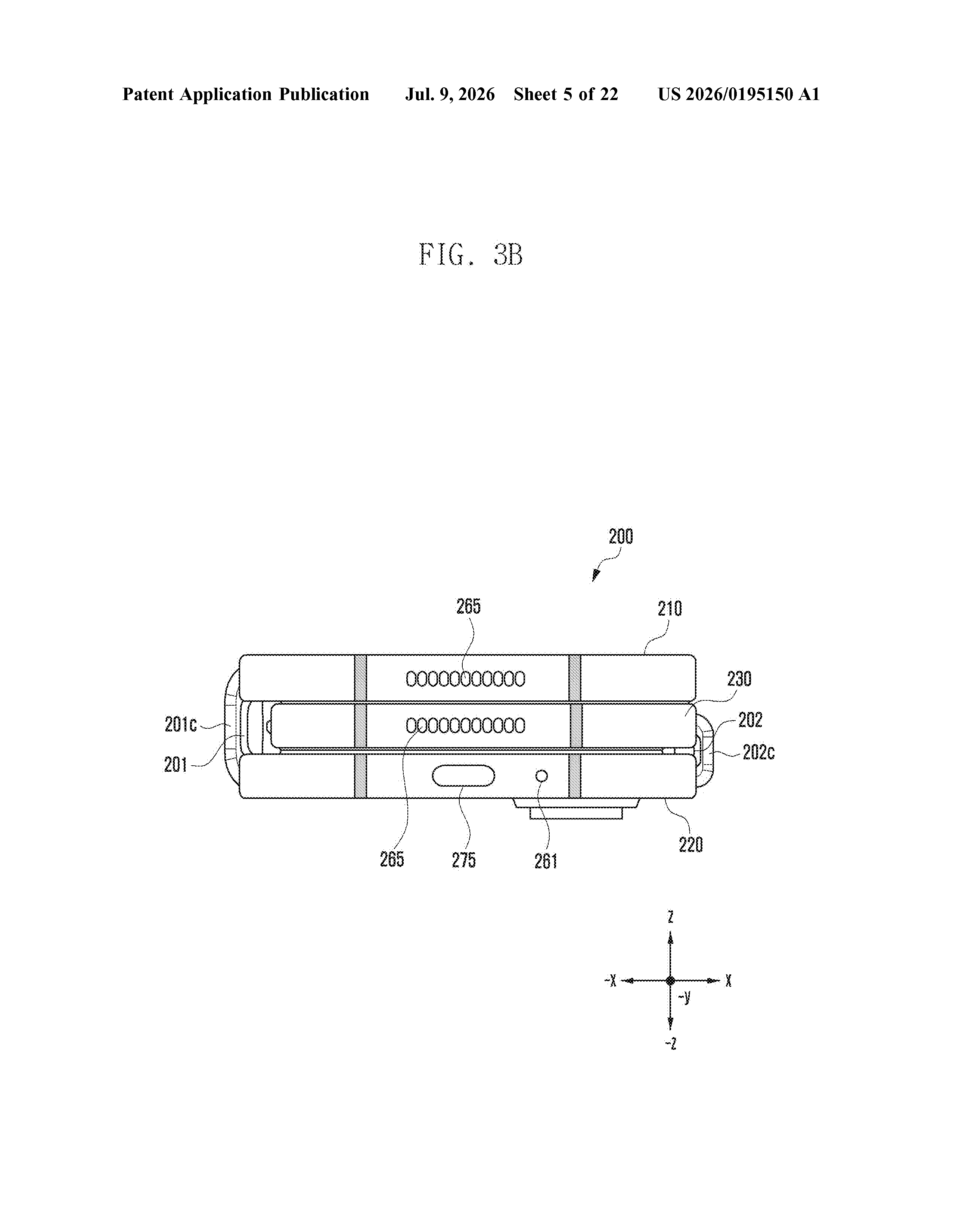
Samsung makes the Galaxy Z Fold line, and foldable phones are the obvious home for this kind of feature. A larger unfolded display with two genuinely active apps would make multitasking feel much closer to using two separate devices side by side. If you've ever tried to copy something from one split-screen app into another and noticed one of them freeze or drop a frame, this is the problem Samsung is trying to fix.
For regular phone users, the practical difference is subtle but real: you'd stop having to 'click into' an app to make it respond to you. Both halves of the screen just stay live. It's a small quality-of-life improvement that could make split-screen mode feel less like a workaround and more like a first-class way to use a phone.
This is a solid, focused patent addressing a genuine annoyance in current Android multitasking. It's not flashy, but the independent event-dispatch design solves a real problem that anyone who uses split-screen regularly has bumped into. Given Samsung's foldable ambitions, the odds of something like this shipping in a future One UI update are pretty good.
There are more where this came from
We read every patent application Big Tech publishes and send you the ones worth knowing. Plain English, free, every week.
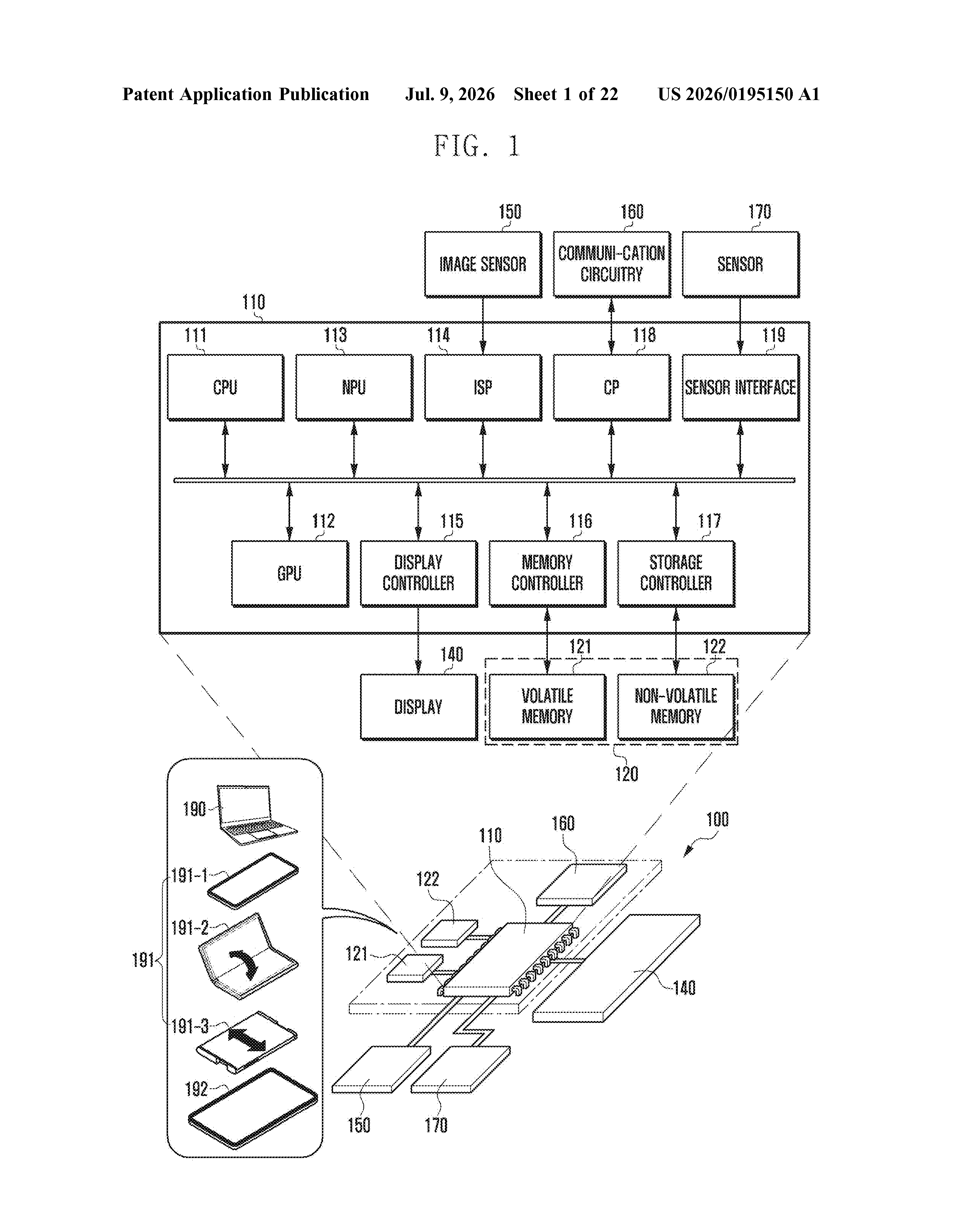
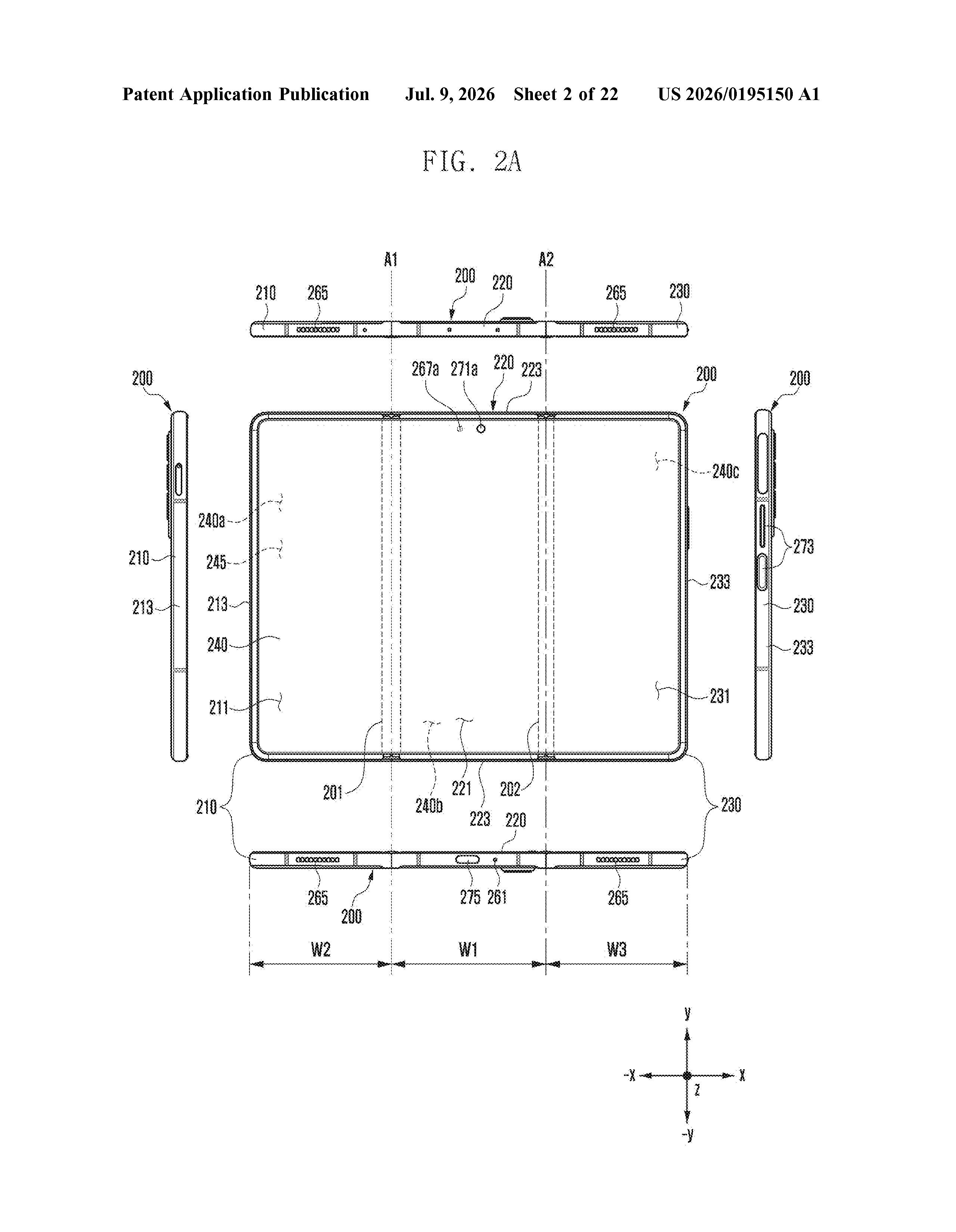
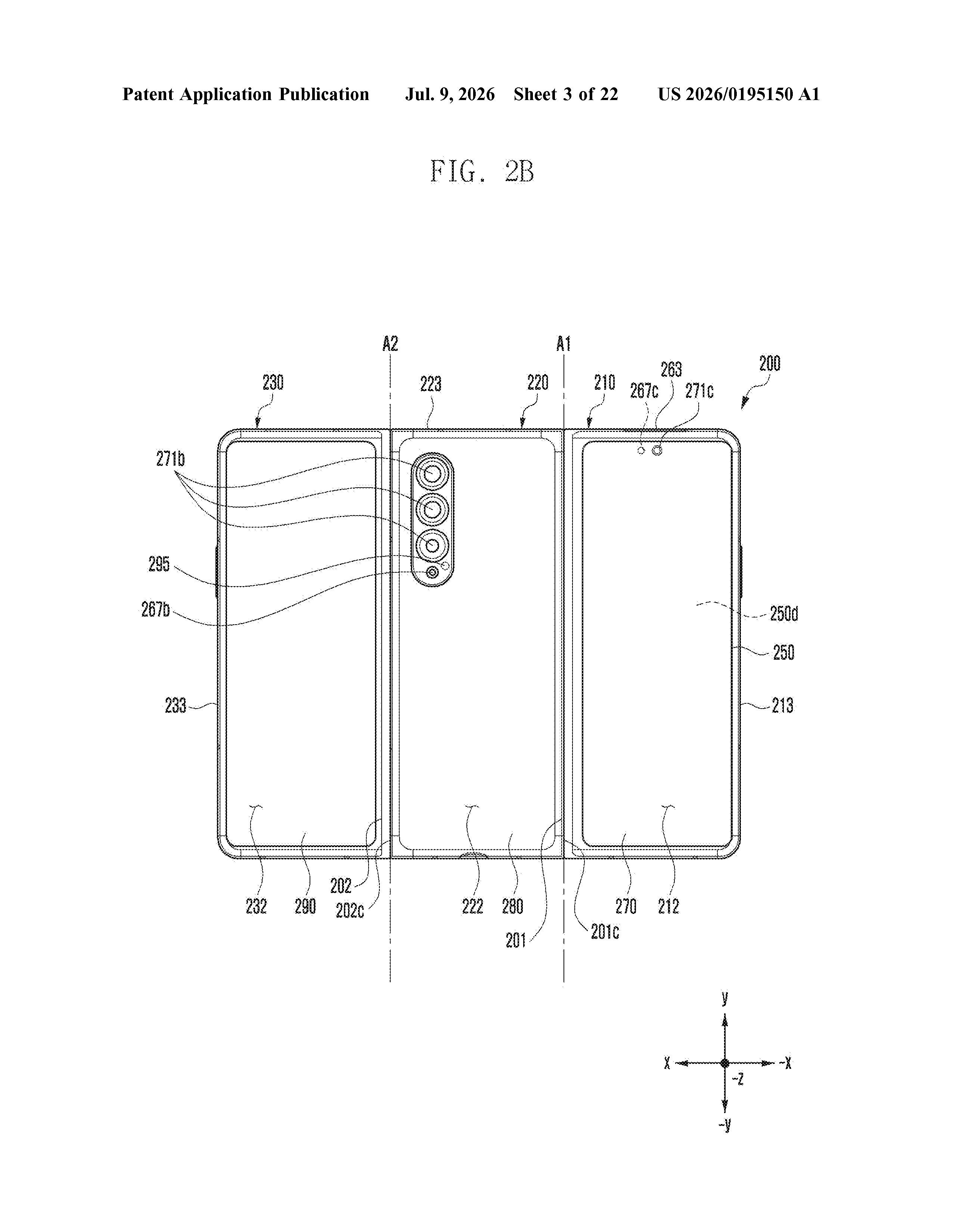
The drawings
22 drawing sheets from US 2026/0195150 A1 · click any drawing to enlarge
Want this weekly breakdown for a company we don't cover? Patentlyze Pro →
Be the first to weigh in