
Samsung Patent Targets Sharper, More Precise Control Over How Pixels Light Up
Samsung Display has filed a patent for a display driver circuit that runs on two different voltage levels at once, using a 'level shifter' to hand signals from a lower-power control layer to a higher-power output layer that actually drives the pixels you see on screen.
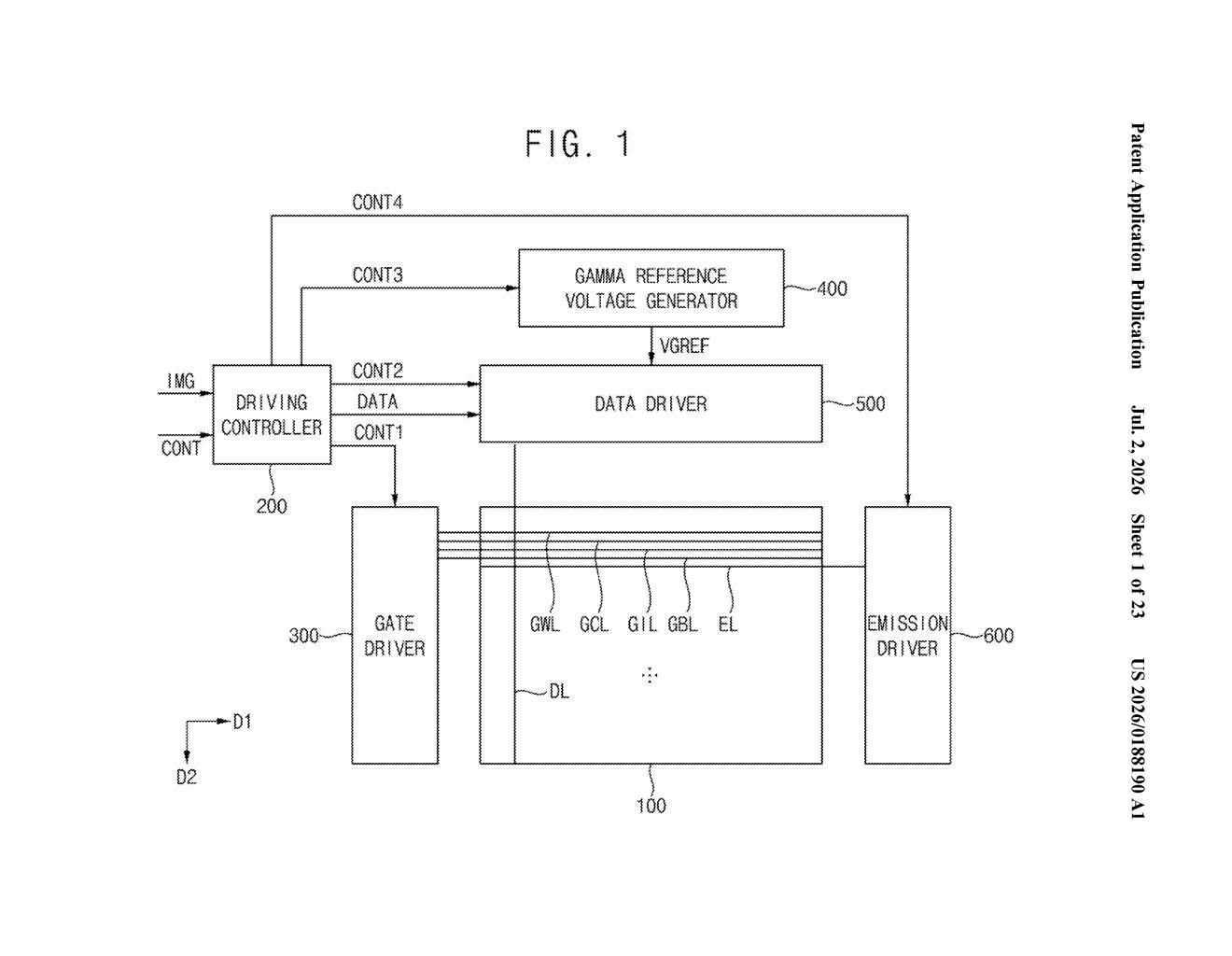
What Samsung's two-voltage display driver actually does
Imagine a concert stage where the sound engineer works at a mixing board, then sends signals to powerful amplifiers that push sound out to the crowd. Your phone or TV screen works on a similar principle: a control circuit tells pixels when to turn on or off, and a separate, more powerful circuit does the actual work of lighting them.
This Samsung Display patent describes a driver circuit that formalizes that two-layer approach. A lower-voltage section handles the timing and coordination work, passing signals through a component called a level shifter. The level shifter then translates those signals into commands that a higher-voltage section can act on to generate the final output that drives each row of pixels.
The practical goal is tighter control over the pixel-driving signal while keeping the more delicate timing logic insulated from the higher voltages that could damage or destabilize it. That balance matters a lot for premium displays where color accuracy and refresh timing need to be exact.
How the level shifter bridges the two power rails
The circuit is built around a single stage that contains four cooperating blocks:
- Input circuit: receives two clock signals running at different phases (think of two metronomes slightly offset from each other) and uses them to pass a timing pulse called a carry signal to an internal control point.
- Carry output circuit: uses that control point's state to generate the next carry signal in the chain, powered by a lower supply voltage.
- Level shifter: takes that lower-voltage logic and re-encodes it at a higher voltage, producing two separately controlled output nodes. This is the key handoff step: the higher voltage is what the pixel output circuit needs to work correctly.
- Output circuit: reads whichever of those two high-voltage nodes is active and produces the final signal that drives a row of display pixels, switching between the higher supply and a shared low voltage.
The split between a first high power voltage (used for carry logic) and a second, greater high power voltage (used for pixel output) is the architectural centerpiece. By keeping them separate and bridged through the level shifter, the design lets engineers tune each section independently, which helps with both signal integrity and power distribution across the panel.
What this means for future Samsung display panels
Display driver circuits are the unglamorous backbone of every screen, and their design directly affects things you notice: how precisely colors shift, whether there's flicker at low brightness, and how efficiently a phone burns through battery while the display is on. A two-tier voltage architecture gives engineers more room to push pixel output voltage higher (which helps with brightness and contrast in OLED panels) without forcing the entire control circuit to operate at that elevated level.
For Samsung Display, which supplies screens to Samsung's own Galaxy devices as well as Apple and other manufacturers, incremental improvements in driver architecture add up across hundreds of millions of panels. This patent isn't announcing a finished product, but it does signal ongoing work on the low-level circuitry that underpins display quality.
This is foundational semiconductor housekeeping, not a headline feature. Dual-voltage driver architectures are a known approach in the display industry, and Samsung Display is clearly iterating on the details rather than inventing a new category. The patent is worth tracking if you follow display supply-chain tech, but there is nothing here that signals a visible consumer product shift on its own.
Get our take in your Top Stories
Liked this breakdown? Add Patentlyze as a preferred source on Google, and our plain-English take shows up more often in your Top Stories the next time Samsung patent news breaks.
There are more where this came from
We read every patent application Big Tech publishes and send you the ones worth knowing. Plain English, free, every week.
Want this weekly breakdown for a company we don't cover? Patentlyze Pro →