
Samsung Patents a System That Moves On-Screen Video Overlays Out of the Way
If you've ever watched a live sports broadcast where the score ticker covers a player's face, Samsung has filed a patent for a system that would automatically move that kind of overlay to a spot where it's actually visible.
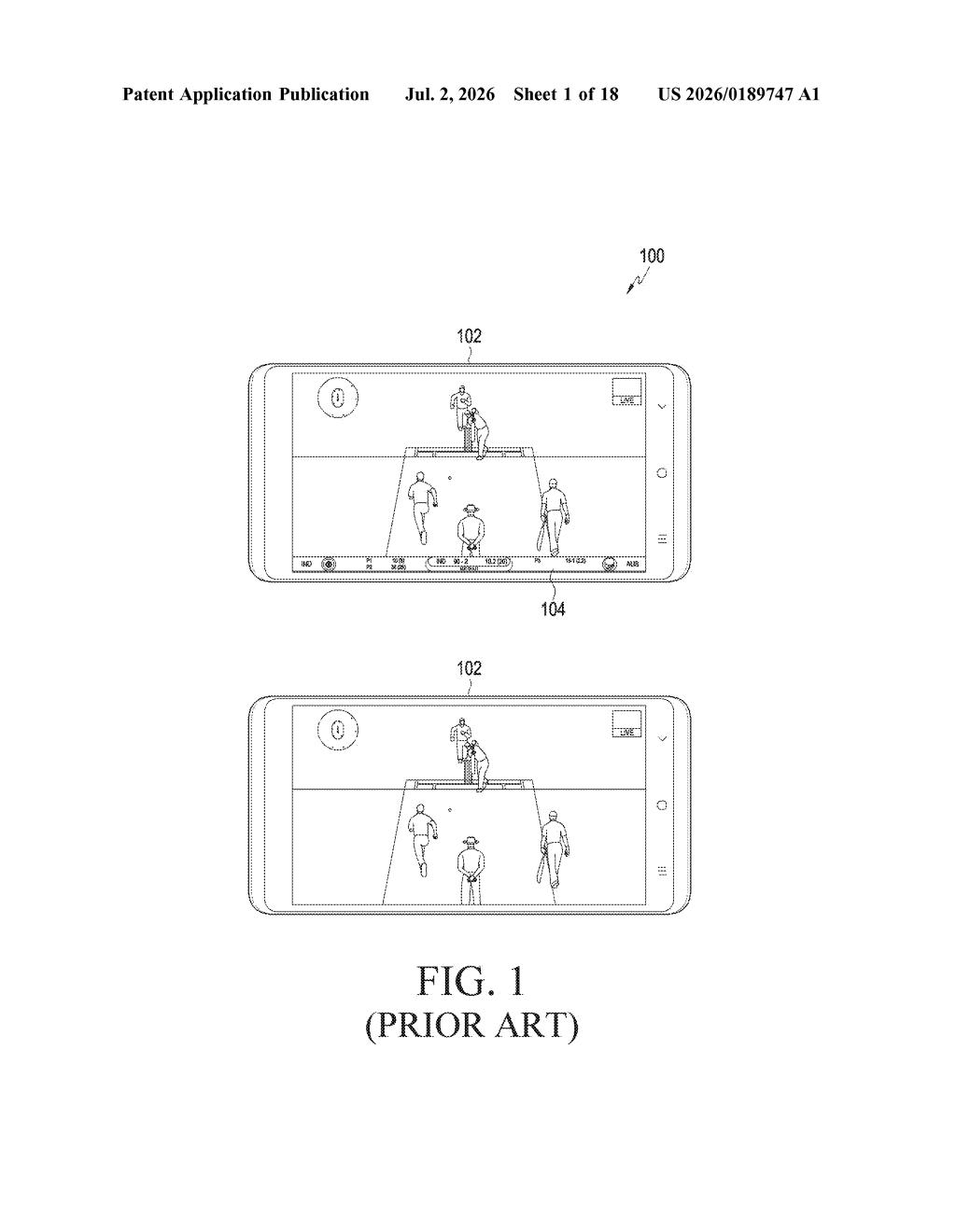
What Samsung's video overlay repositioning actually does
Imagine watching a soccer match on your phone and the live score graphic is sitting right on top of the goalkeeper. Or picture a shopping app overlay that appears during a video just as the most important part of the scene plays out. These kinds of clashes between on-screen graphics and the video underneath them happen constantly.
Samsung's patent describes a system that watches the video being played, figures out which parts of the screen are busy or important at any given moment, and then automatically moves any overlay graphics, captions, or data labels to a cleaner spot. It scores different screen regions on how "viewable" they are, then picks the best available space.
The system works across devices, so an overlay repositioned on your phone can also show up correctly on a TV or tablet connected to the same stream. It separates the video content itself from the added-on graphics, so it can move the graphics independently without touching the underlying footage.
How the viewability index picks a new spot for the overlay
The patent describes a pipeline that processes individual frames from a video stream and identifies two layers: the underlying video content and any overlay data sitting on top of it (think score tickers, shopping buttons, subtitles, or branded graphics).
The system scans the frame and maps out multiple candidate regions where an overlay could potentially sit. It then calculates a viewability index for the overlay's current position, a score built from several parameters of the video stream such as what the background looks like, how much motion is in that region, and how well the overlay would contrast against it.
If the viewability index is poor (the overlay is covering something important, or it's hard to read against the background), the system repositions it to a region with a better score. Key steps include:
- Identifying all overlay elements separately from the base video frames
- Mapping candidate placement regions across the visible screen area
- Scoring each region using the viewability parameters
- Moving the overlay to the highest-scoring region
- Ensuring the repositioned overlay appears correctly on the target device's user interface, whether that's a phone, tablet, or TV
The cross-device component is notable: the patent specifies that the repositioned overlay must be visible on a user interface associated with a target device, implying the system can handle display differences between the device playing the stream and the device showing the result.
What this means for streaming apps and live sports graphics
For streaming platforms and live broadcast apps, this solves a genuinely annoying problem. Overlays are typically placed statically, designed once for a default screen size and then left there regardless of what's happening in the video. That breaks down fast when content is watched on devices of wildly different sizes, or when the action in the video moves into exactly the spot the graphic was designed to occupy.
If Samsung builds this into its smart TV software, Galaxy phones, or its own streaming services, it could mean cleaner, less obtrusive viewing experiences without requiring broadcasters to manually redesign their graphics for every possible screen. It's also relevant to shopping and interactive video features, where clickable overlays need to stay readable to drive any engagement at all.
This is a practical, unglamorous patent that solves a real problem most viewers have noticed but never named. The viewability-index approach is clever enough to be genuinely useful, and the cross-device angle suggests Samsung is thinking about its full ecosystem from Galaxy phones to QLED TVs. It won't make headlines, but it's the kind of quiet infrastructure work that improves daily life.
There are more where this came from
We read every patent application Big Tech publishes and send you the ones worth knowing. Plain English, free, every week.
Want this weekly breakdown for a company we don't cover? Patentlyze Pro →
Be the first to weigh in