
Samsung Patents a System to Bridge Chat Across Different Video Conferencing Apps
If half your meeting is on Zoom and the other half is watching on YouTube Live, their chat messages might as well be on different planets. Samsung has filed a patent for a system that tries to fix exactly that.
What Samsung's cross-platform video chat actually does
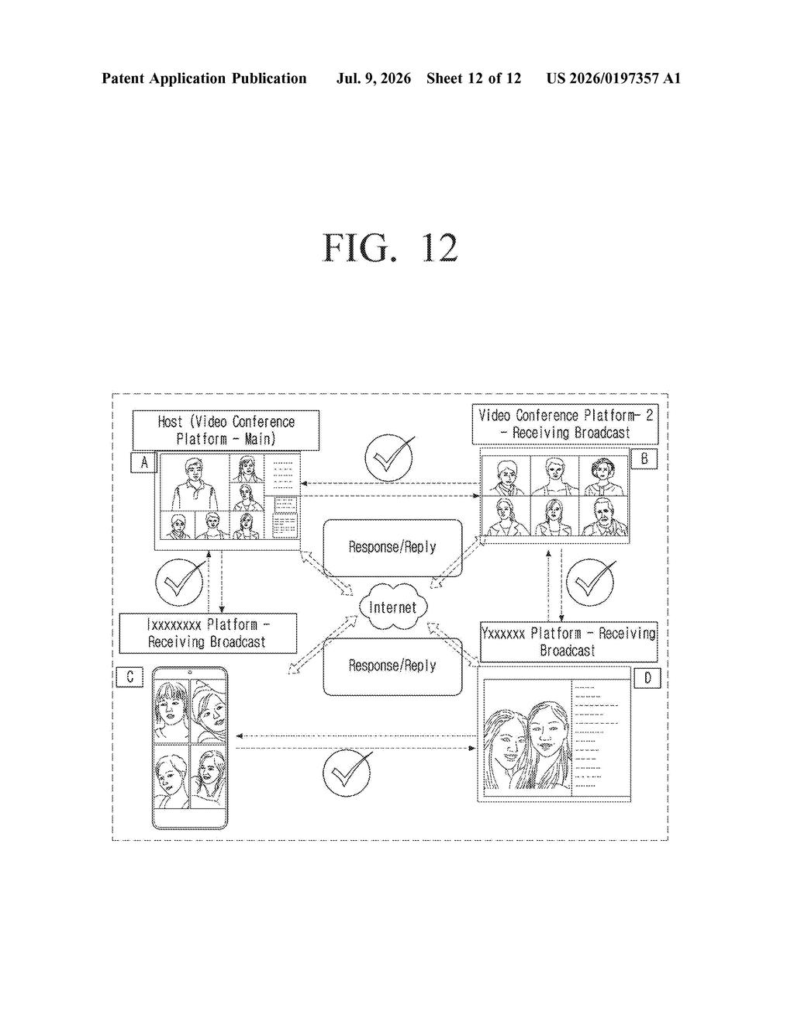
Imagine you're hosting a company town hall on one video platform, but some attendees are watching on a completely different service. Right now, the chat happening on your platform and the chat on theirs are totally separate, so questions and replies get lost depending on which app you're in.
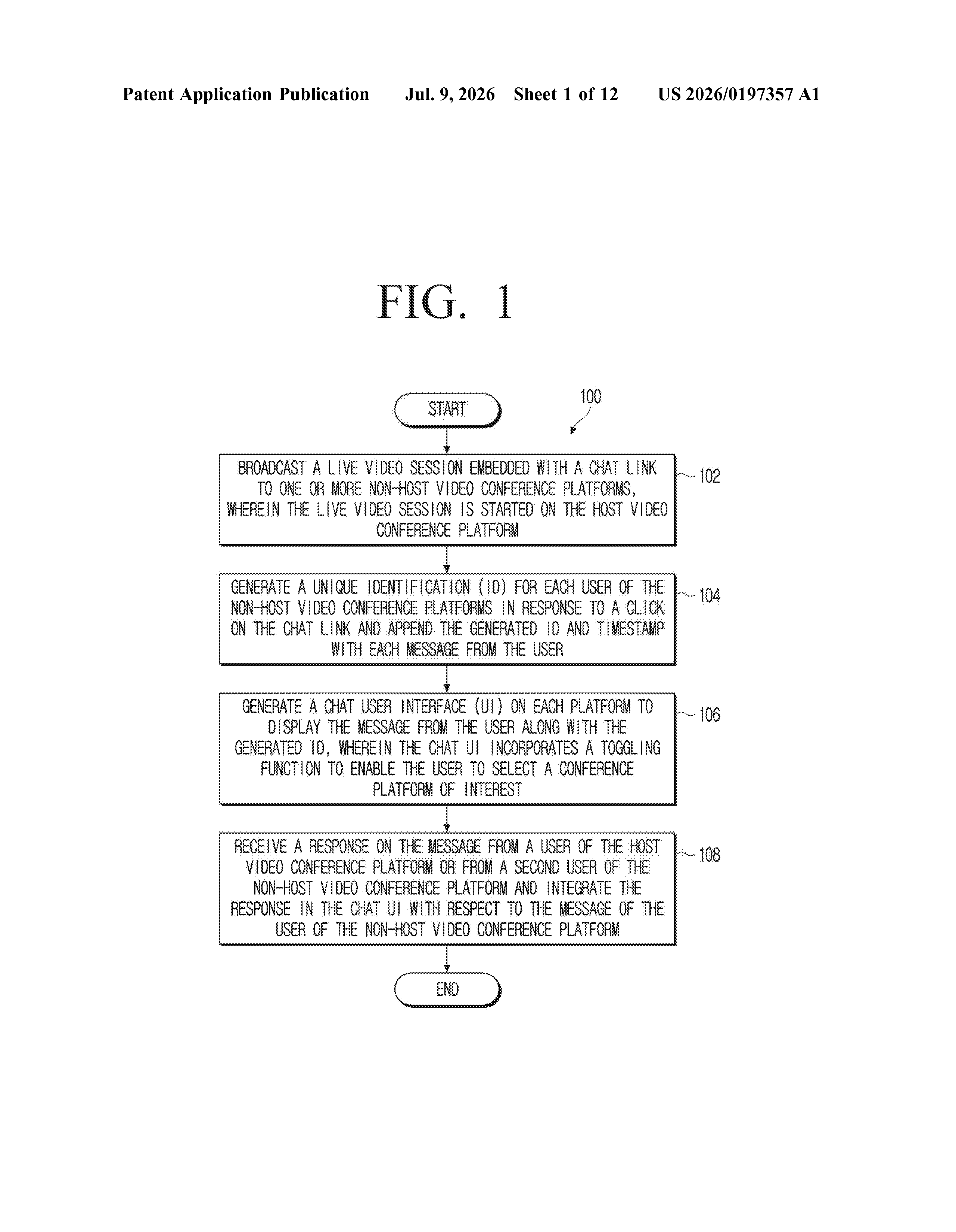
Samsung's patent describes a system where a shared chat link gets embedded into the live session and broadcast to all the different platforms at once. Anyone who clicks that link gets a unique ID assigned to them automatically, so their messages can be tracked and matched to replies no matter which platform they came from.
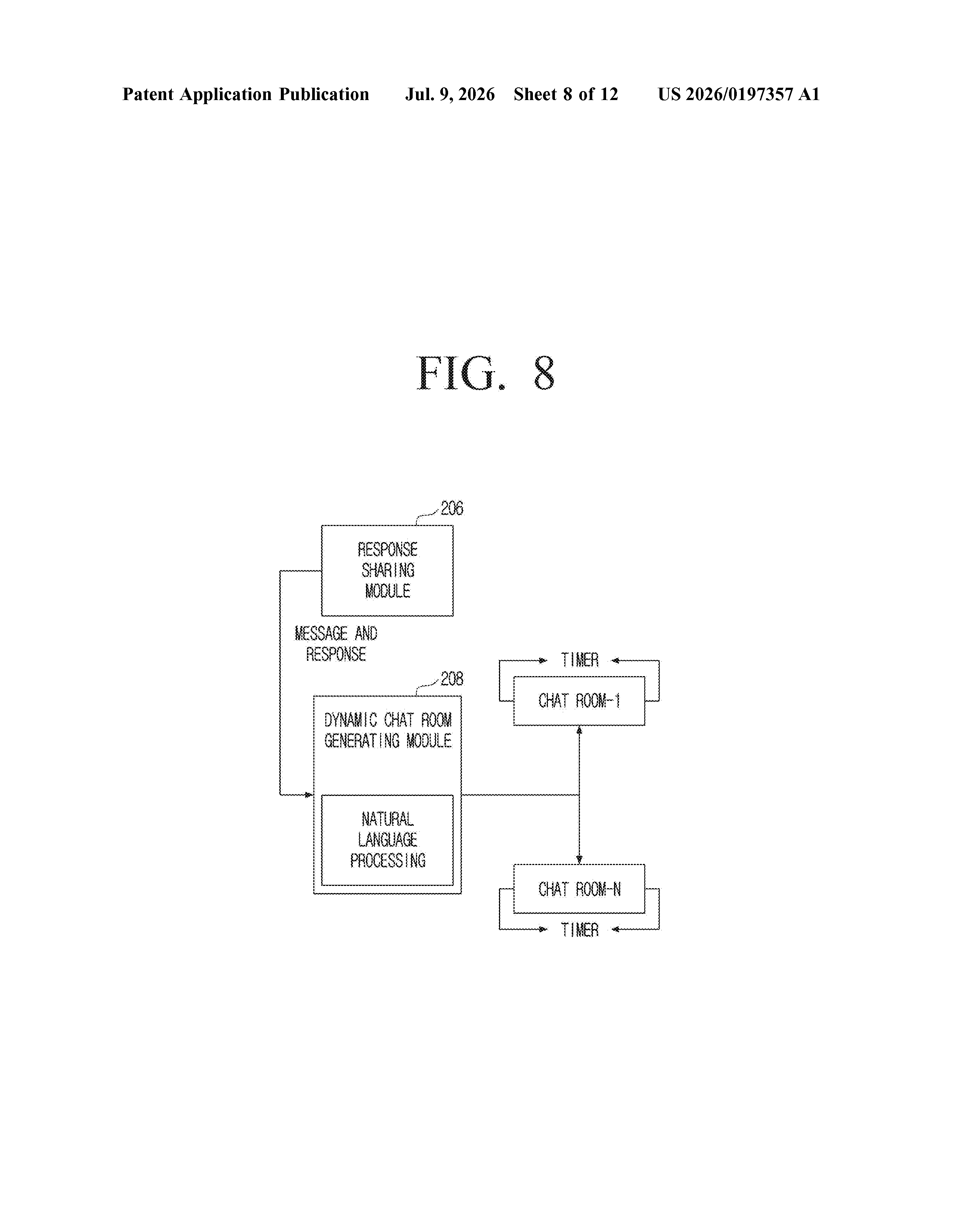
The system also watches the conversation in real time and uses AI to group related messages by topic, then spins up a dedicated chat room for each topic automatically. A timer is attached to each of those side rooms, so they don't linger forever after the conversation moves on.
How Samsung routes messages across competing platforms
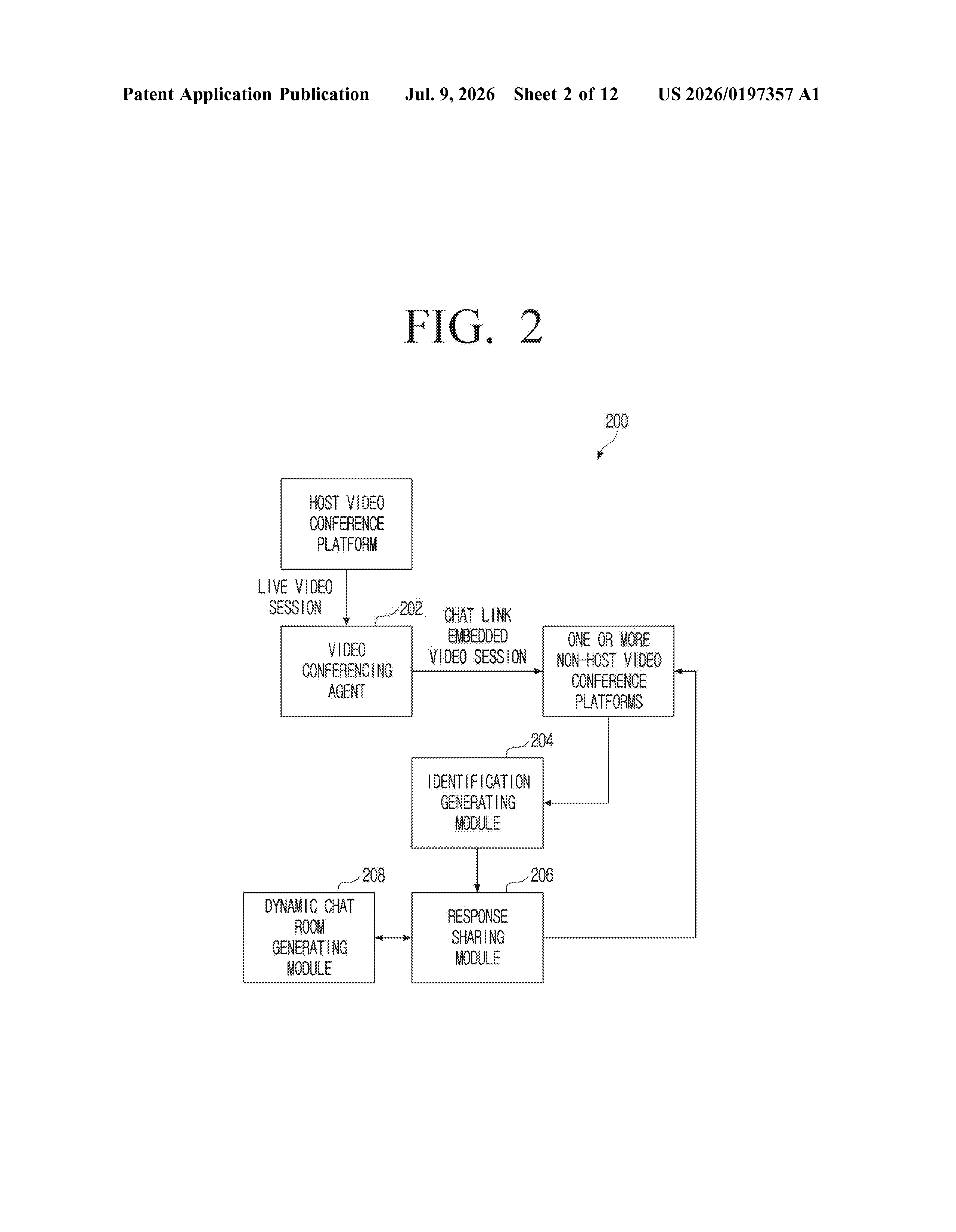
The patent describes four main components working together:
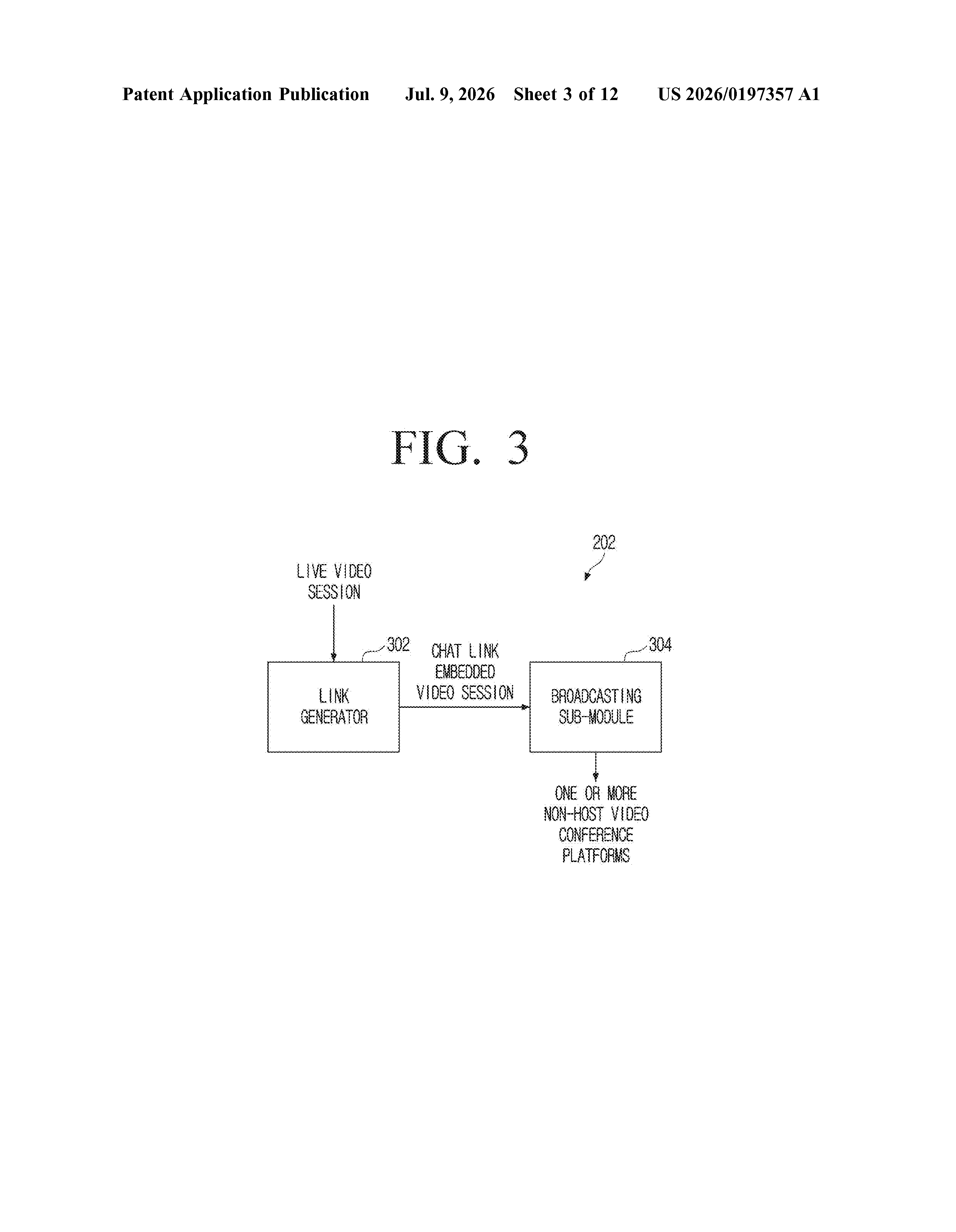
- Video conferencing agent: Takes a live session started on one "host" platform and generates a chat link that gets embedded into that stream. The link-embedded session is then broadcast out to other platforms.
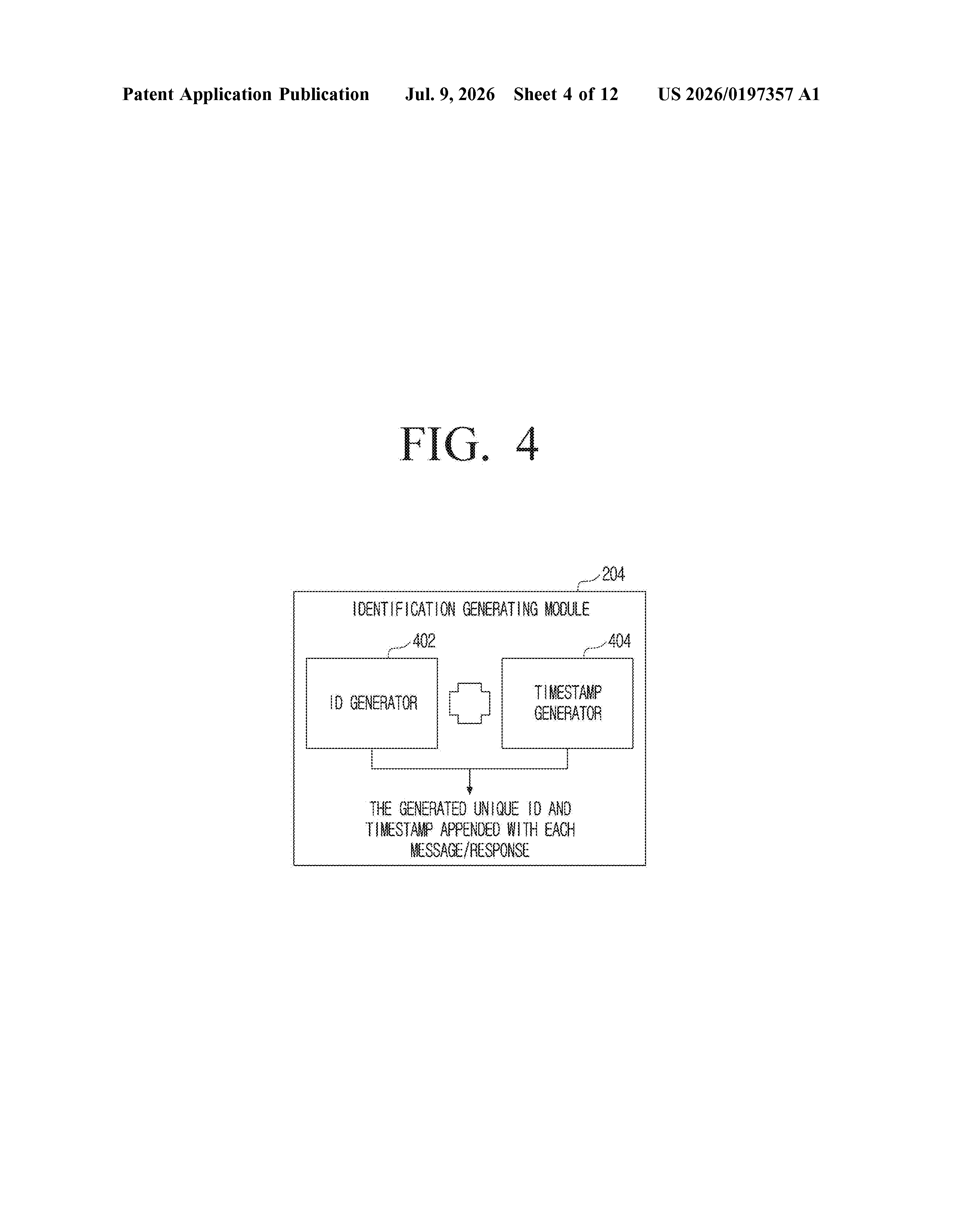
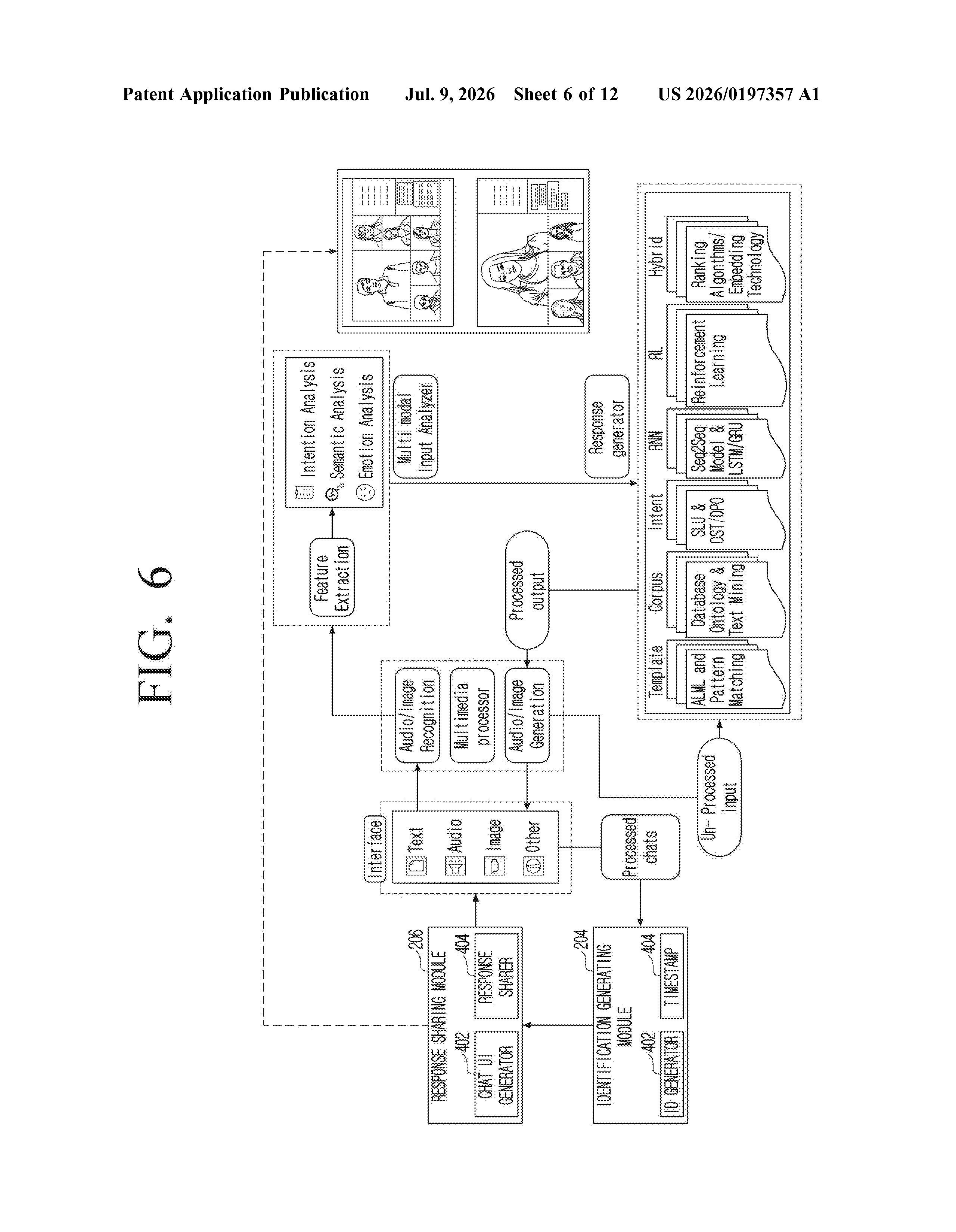
- Identification generator: When a viewer on a non-host platform clicks the chat link, the system automatically creates a unique ID for that user. Every message they send gets tagged with that ID and a timestamp, and any replies from the host platform also get timestamped so the conversation thread stays intact.
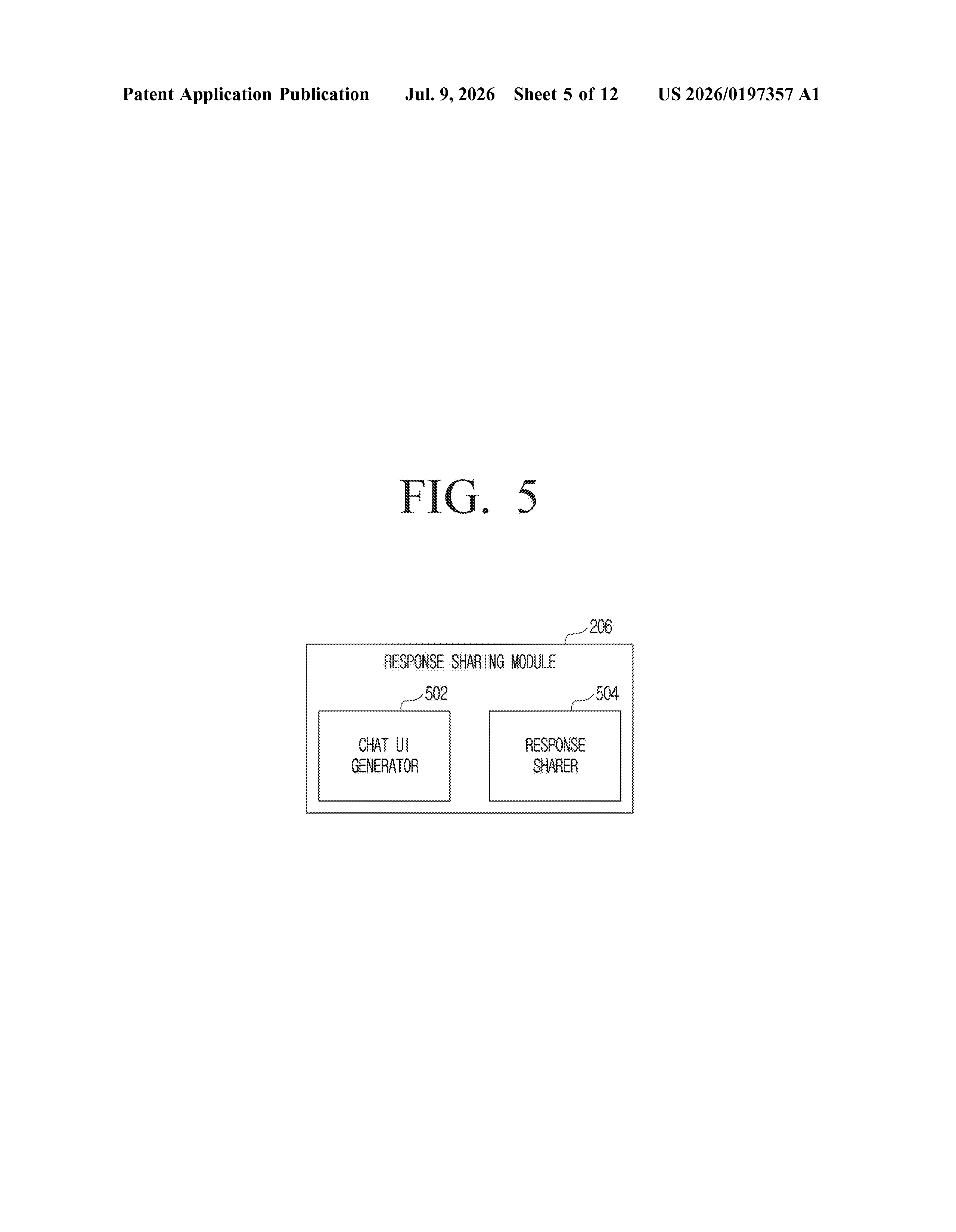
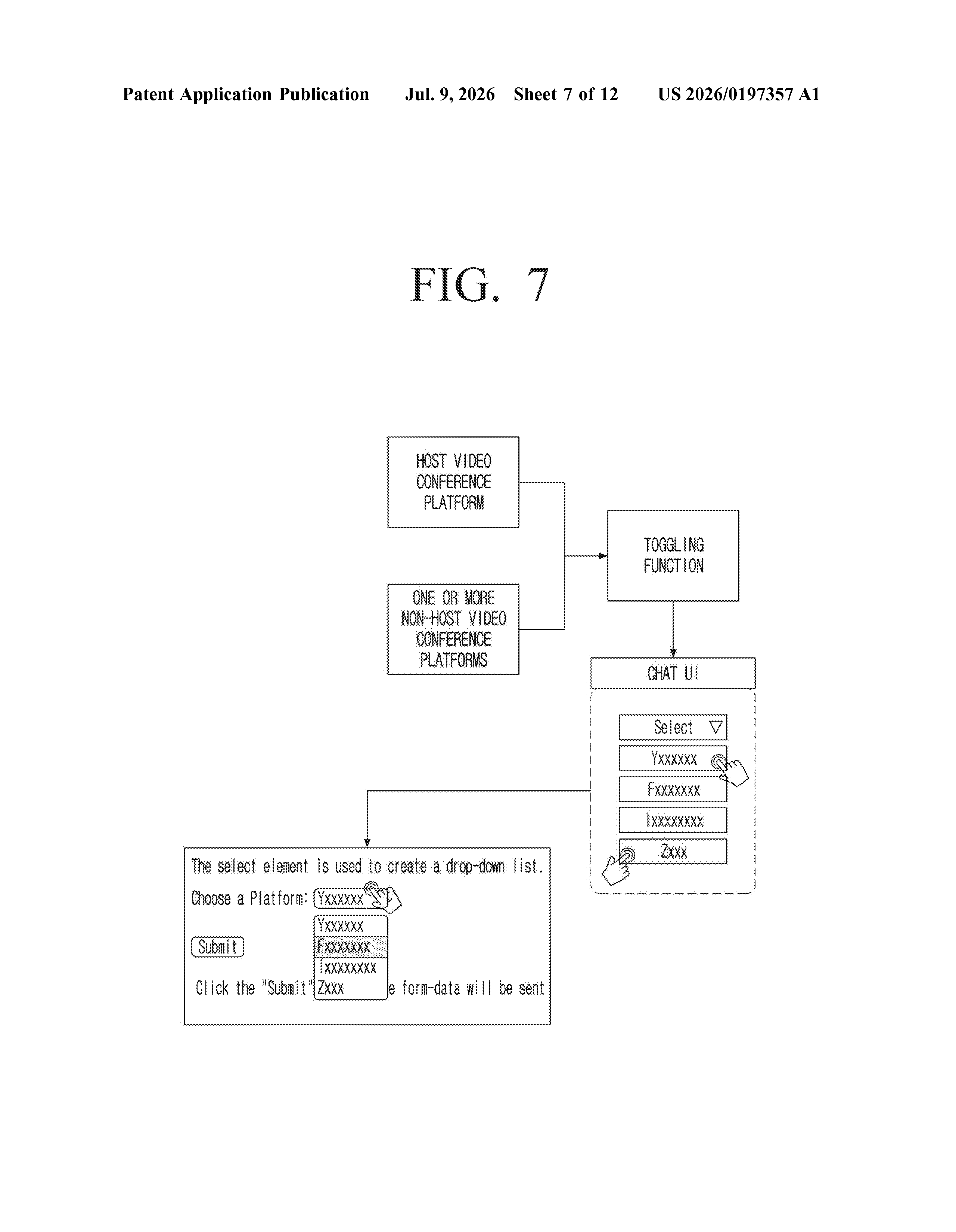
- Response sharer: Generates a unified chat interface that shows messages and replies together, regardless of which platform each person is on. A toggle button lets users filter the view by platform, so you can focus on just the Zoom side or just the YouTube side if you want.
- Dynamic chat room generator: Uses natural language processing (NLP, meaning the system reads and interprets the meaning of text) to sort incoming messages by topic. It then automatically creates a secondary chat room for each topic cluster and attaches a countdown timer so the room closes when that discussion winds down.
The architecture treats one platform as the "host" and all others as guests, but routes communication in both directions so no participant is stuck in a one-way stream.
What this means for multi-platform video meetings
Multi-platform broadcasting is already common for large events, webinars, and live product launches. The problem has always been that audience engagement is fragmented: questions from YouTube viewers never reach the Zoom panelists, and vice versa. A system like this could make truly unified Q&A possible without requiring every viewer to switch to the same app.
The auto-categorization piece is the most ambitious part. If it works well, a large event could have dozens of topic-specific side discussions spinning up and closing automatically, giving organizers a structured way to handle high volumes of questions. Whether Samsung intends this for a consumer Galaxy product, a business conferencing tool, or something else entirely, the patent doesn't say, but the problem it targets is real and currently unsolved.
This is a genuinely useful idea for anyone who runs large online events, and the topic-clustering chat rooms are a creative addition. That said, the patent's value depends almost entirely on how well the NLP categorization works in practice, which a patent filing can't prove. It's worth watching, but don't expect this to show up in a consumer app anytime soon.
There are more where this came from
We read every patent application Big Tech publishes and send you the ones worth knowing. Plain English, free, every week.
The drawings
12 drawing sheets from US 2026/0197357 A1 · click any drawing to enlarge
Want this weekly breakdown for a company we don't cover? Patentlyze Pro →
Be the first to weigh in