
IBM Patents a System That Builds Its Own AI Pipelines From Scratch
Setting up an AI system to make predictions usually takes a team of engineers weeks. IBM is patenting a way to let software handle most of that work automatically, from picking the right AI model to wiring together all the components.
What IBM's auto-pipeline builder actually does
Imagine you want your company's software to predict, say, which customers are likely to cancel their subscriptions. Today, getting that kind of AI system up and running usually means hiring specialists who spend weeks choosing the right AI models, connecting different software components, and tuning everything together.
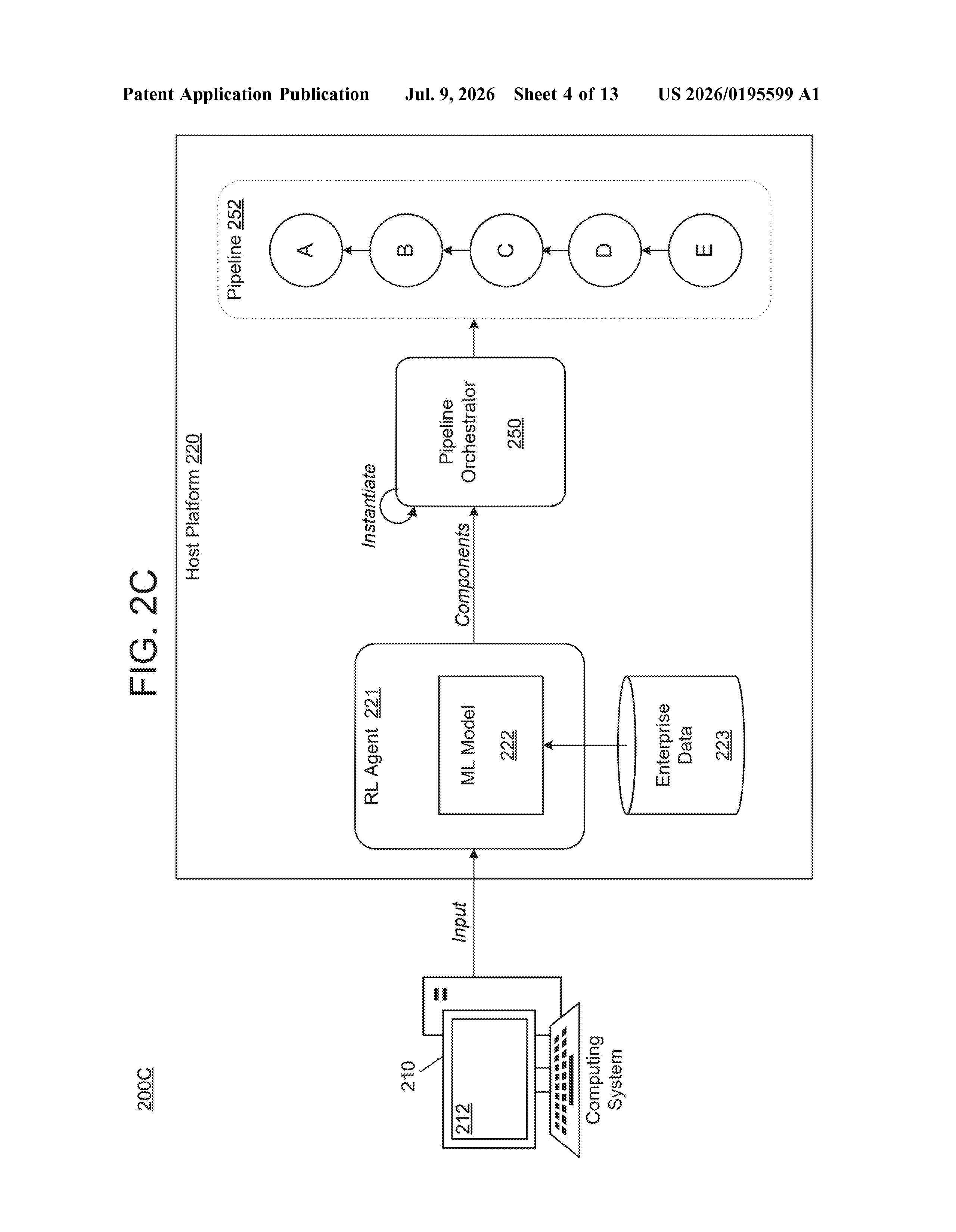
IBM's patent describes a tool where you describe what you want to predict and any limits you have (like cost or speed) through a normal software interface, and the system figures out the rest. It picks the most appropriate AI language model from a library of options, then assembles all the surrounding parts needed to make the whole prediction system work.
The result is a fully built, ready-to-run AI pipeline that you didn't have to manually engineer. Think of it like ordering a custom meal and having a chef not only cook it but also set the table, plate it, and hand it to you.
How the ML model picks and assembles the pipeline
The patent describes a two-stage automated process for building what it calls a predictive pipeline, which is the end-to-end chain of software components that takes raw data in and produces a prediction out.
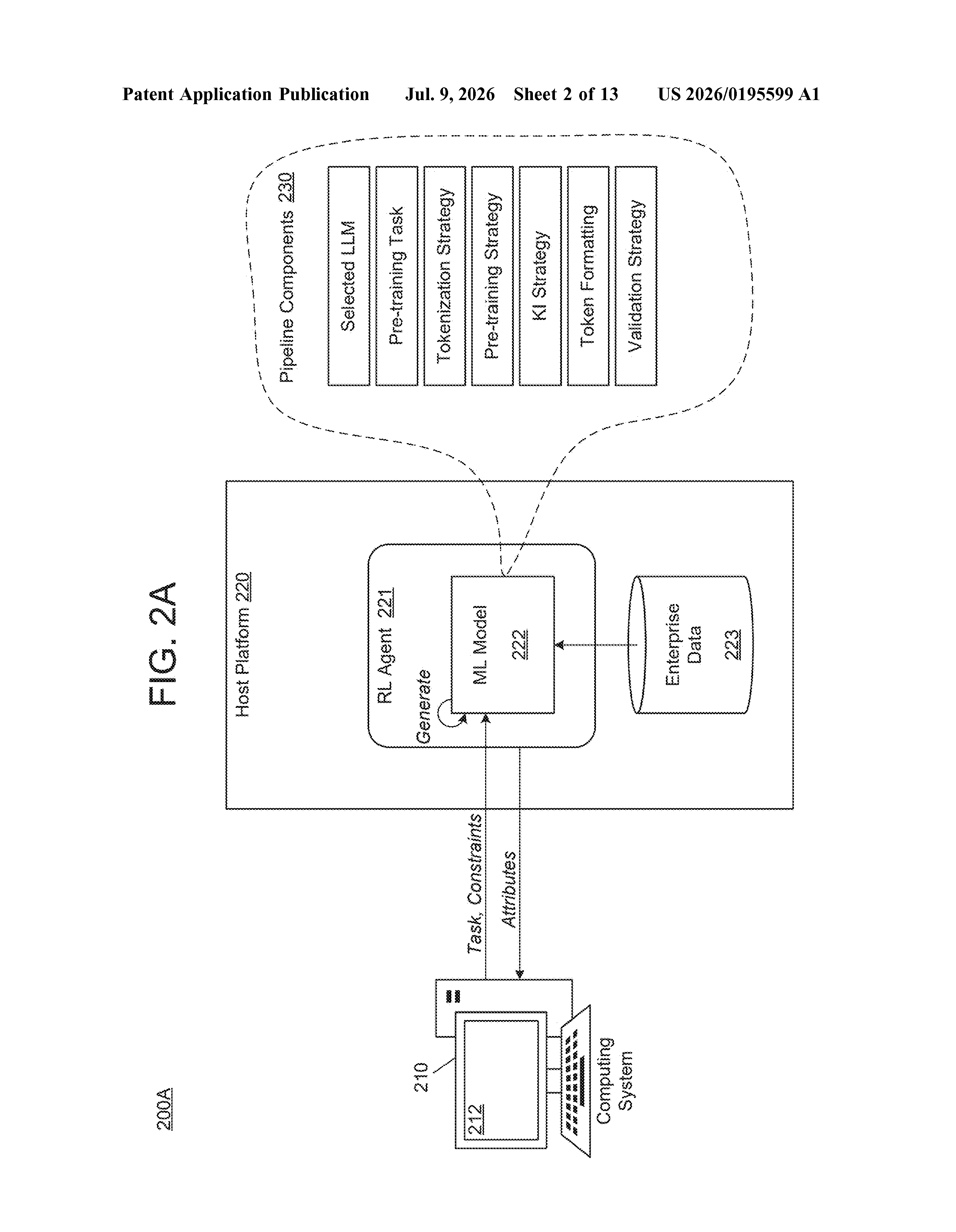
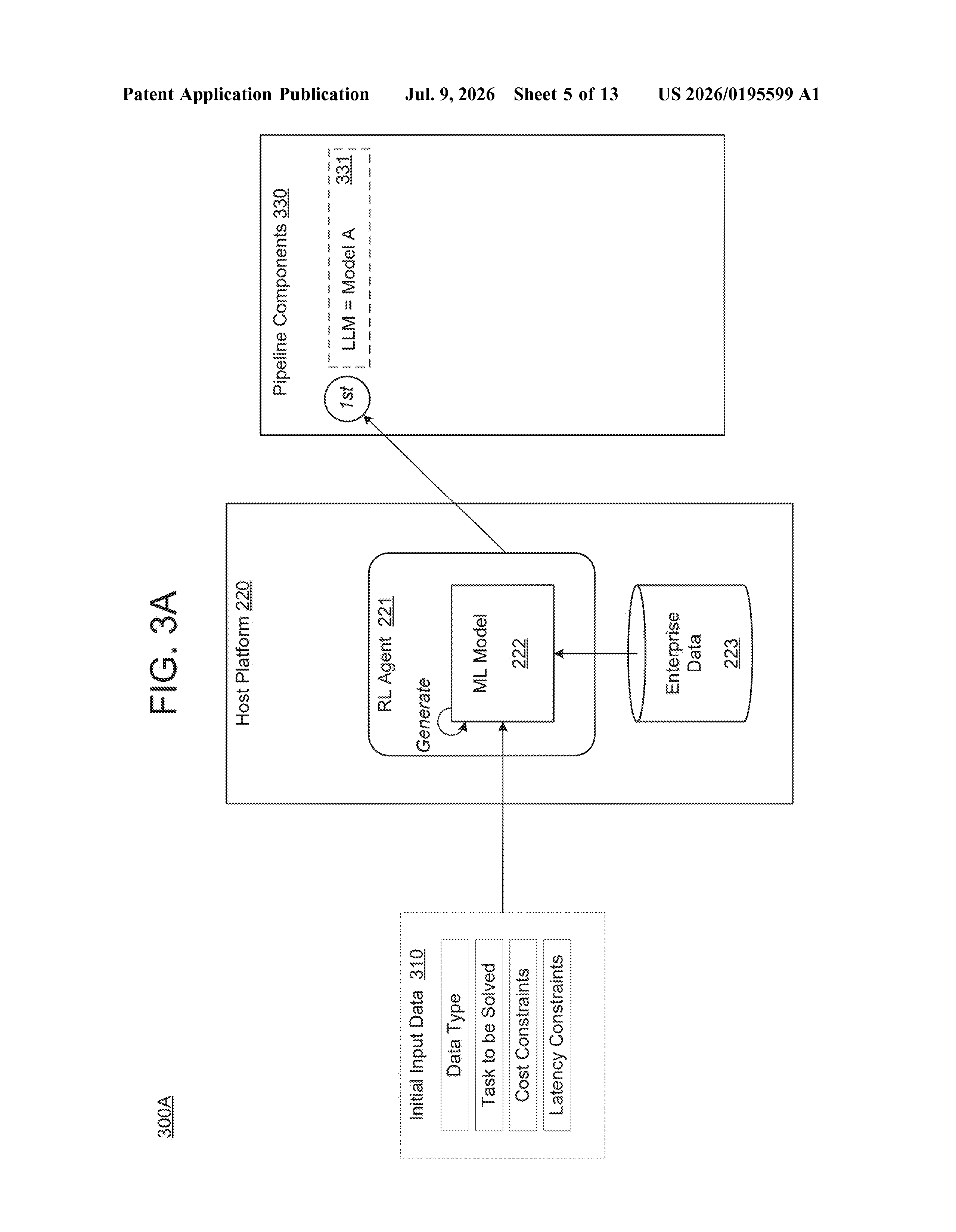
First, a user inputs a predictive task (the thing they want to predict) and any constraints (requirements like budget, speed, or data type) into a graphical interface. A machine learning model then reads those requirements and selects the most appropriate large language model (LLM) from a pool of available options. An LLM is a type of AI trained on large amounts of text that can understand and generate language, but here it is being used as the prediction engine inside a larger workflow.
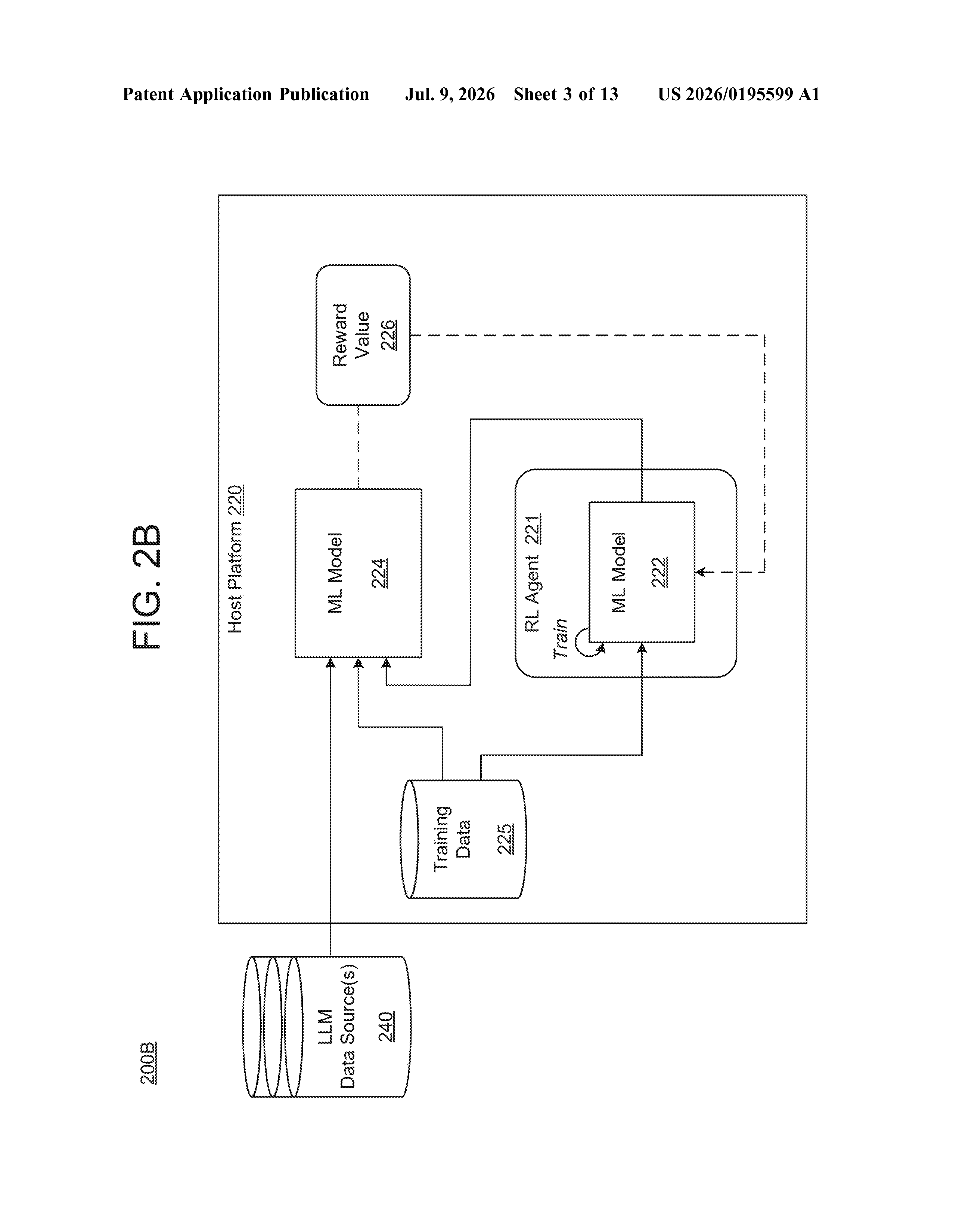
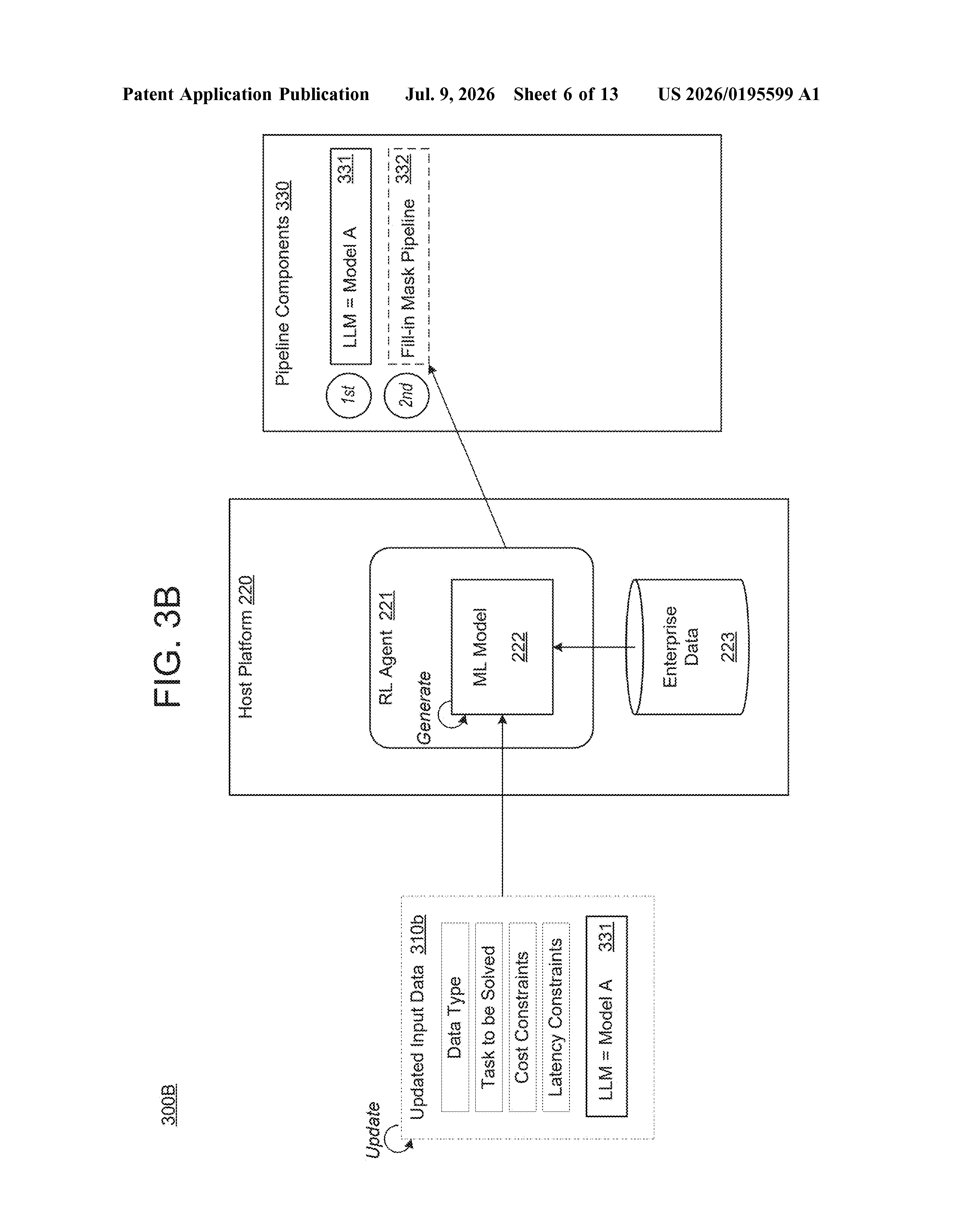
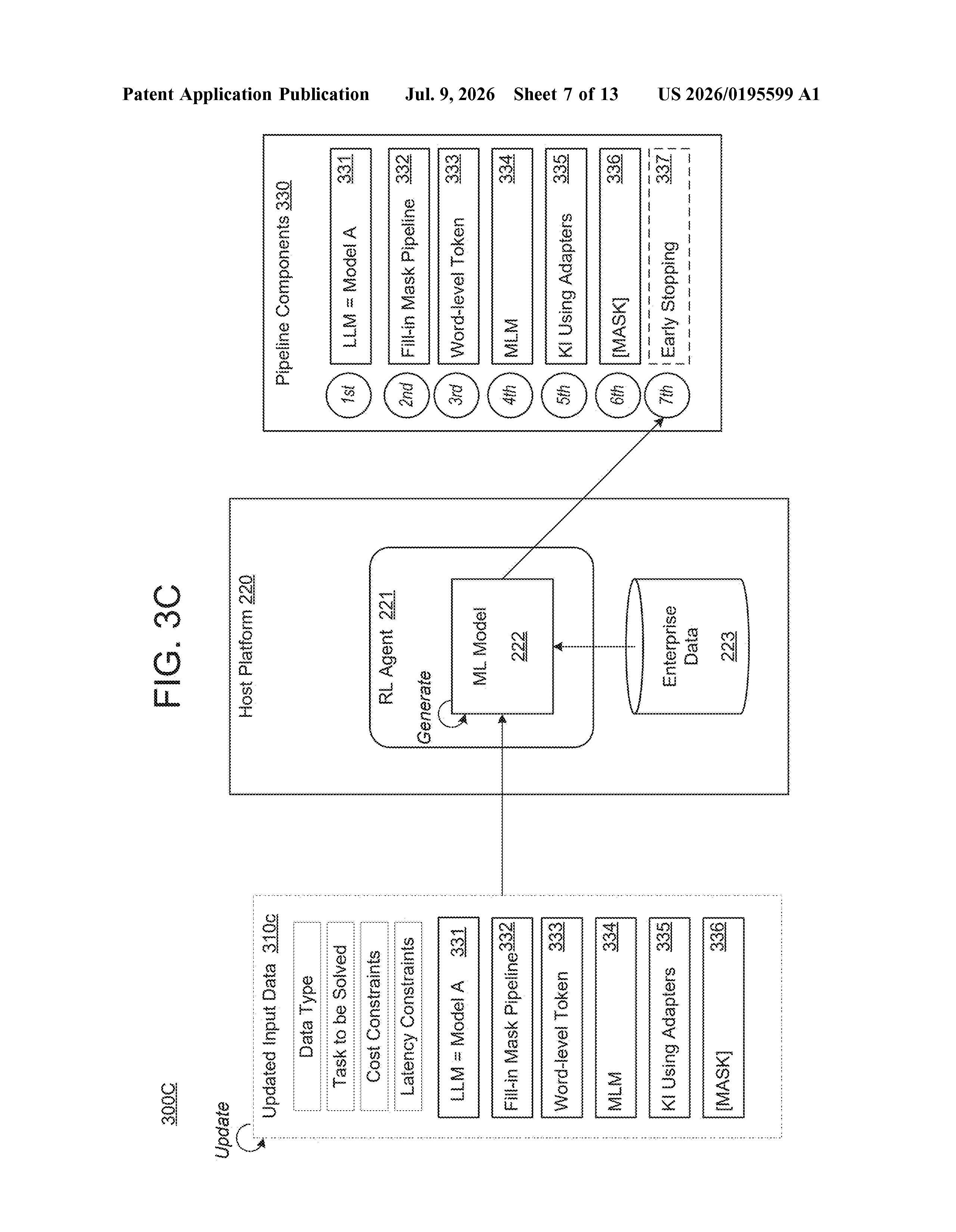
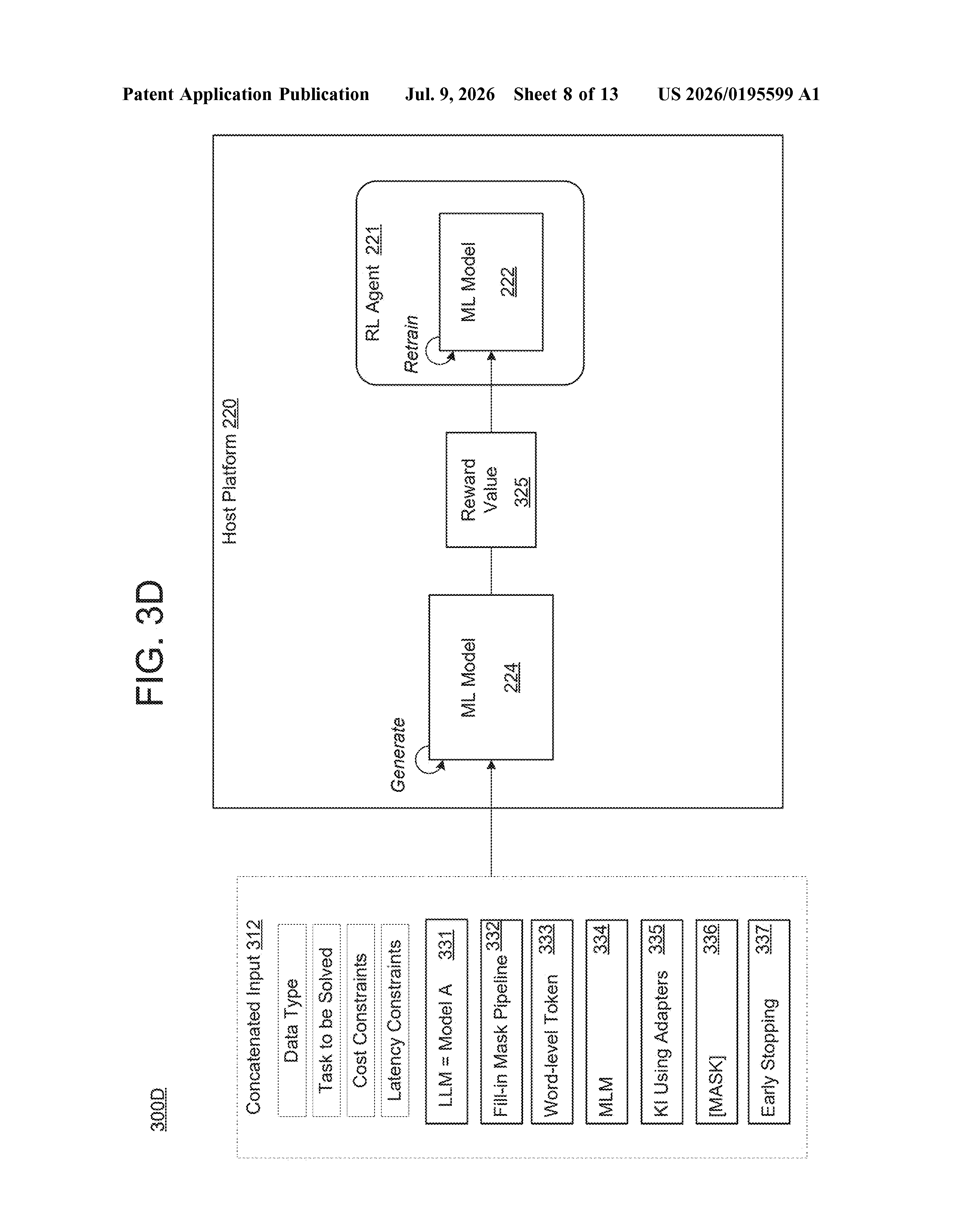
Second, that same ML model runs again, this time looking at both the selected LLM and the original input data, to figure out all the other components the pipeline needs: things like data preprocessing steps, output formatters, or validation layers.
- User defines the task and constraints via a GUI
- An ML model selects the right LLM from a library
- The same ML model designs the full surrounding pipeline
- The software instantiates (creates and launches) the complete pipeline automatically
What this means for businesses deploying AI
The biggest barrier to deploying AI inside a company is not ideas, it is the engineering effort required to build and connect all the pieces. IBM's patent targets that bottleneck directly. If the approach works as described, a business analyst with no AI engineering background could describe a forecasting problem and get a working prediction system without writing a line of code.
For IBM, this fits squarely into its enterprise AI platform strategy, particularly around its watsonx product line. Automating pipeline construction would make that platform more accessible to customers who lack deep technical teams, which is a real competitive pressure point as IBM faces rivals like Microsoft and Google offering similar AI tooling.
This is a practical, if unglamorous, piece of enterprise AI infrastructure. The idea of automating ML pipeline construction is not new, a field called AutoML has been around for years, but embedding LLM selection inside that automation loop is a meaningful update to the concept. Whether IBM's specific implementation is novel enough to withstand patent scrutiny is a separate question, but the underlying problem it addresses is real and commercially important.
Get our take in your Top Stories
Liked this breakdown? Add Patentlyze as a preferred source on Google, and our plain-English take shows up more often in your Top Stories the next time IBM patent news breaks.
There are more where this came from
We read every patent application Big Tech publishes and send you the ones worth knowing. Plain English, free, every week.
The drawings
13 drawing sheets from US 2026/0195599 A1 · click any drawing to enlarge
Want this weekly breakdown for a company we don't cover? Patentlyze Pro →