
IBM Patents an AI That Tunes Software to Fit the Hardware Running It
Deploying software on a new server and watching it crawl, or burn through resources it doesn't need, is a classic enterprise headache. IBM's new patent describes an AI that learns how much computing muscle a piece of software actually needs and adjusts it accordingly.
What IBM's software-sizing AI actually does
Imagine buying a couch for a new apartment without measuring the room first. You might end up with something too big, or something that leaves the whole space feeling empty. Software deployments have the same problem: engineers often have to guess how many computing resources a program needs, and they frequently get it wrong.
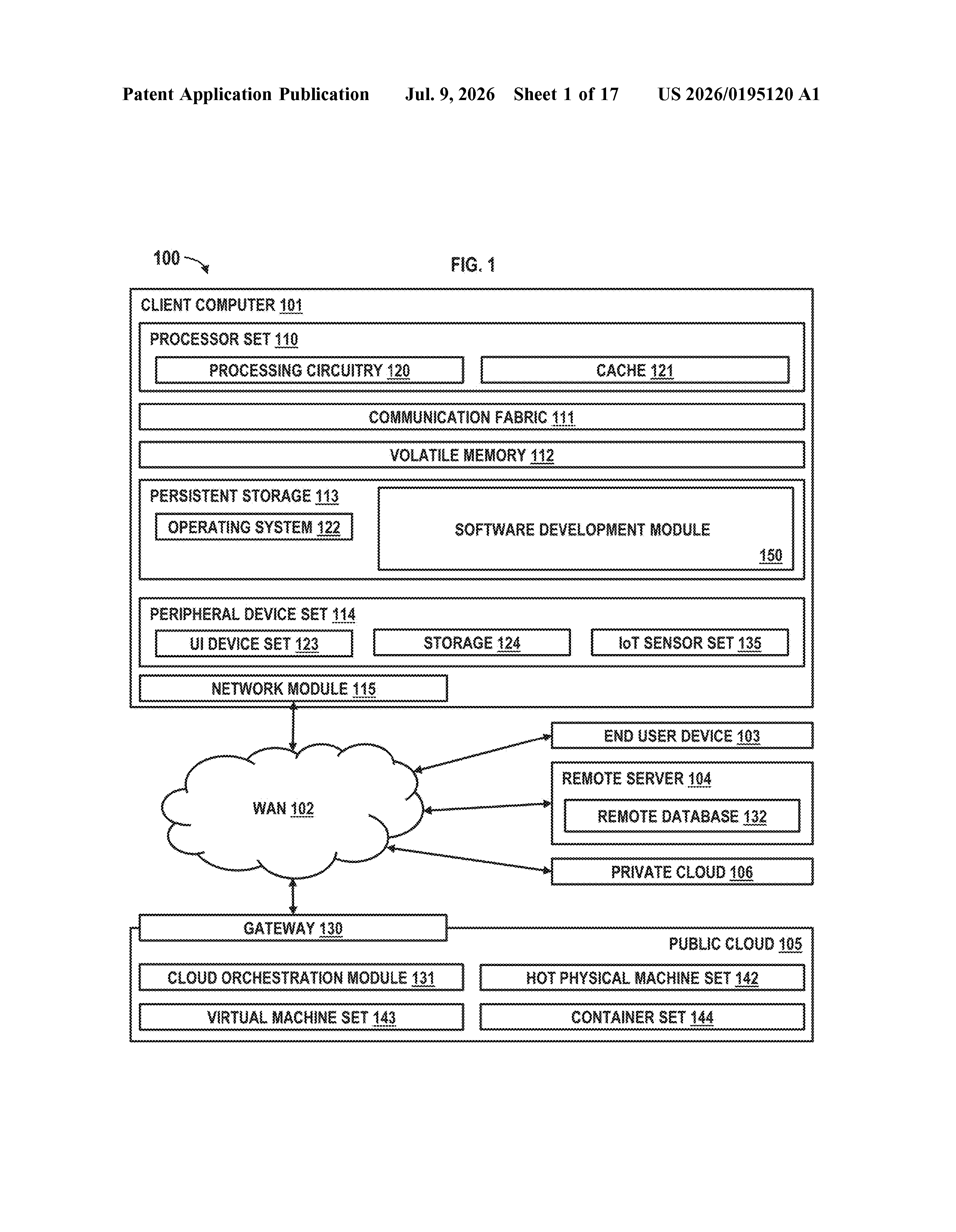
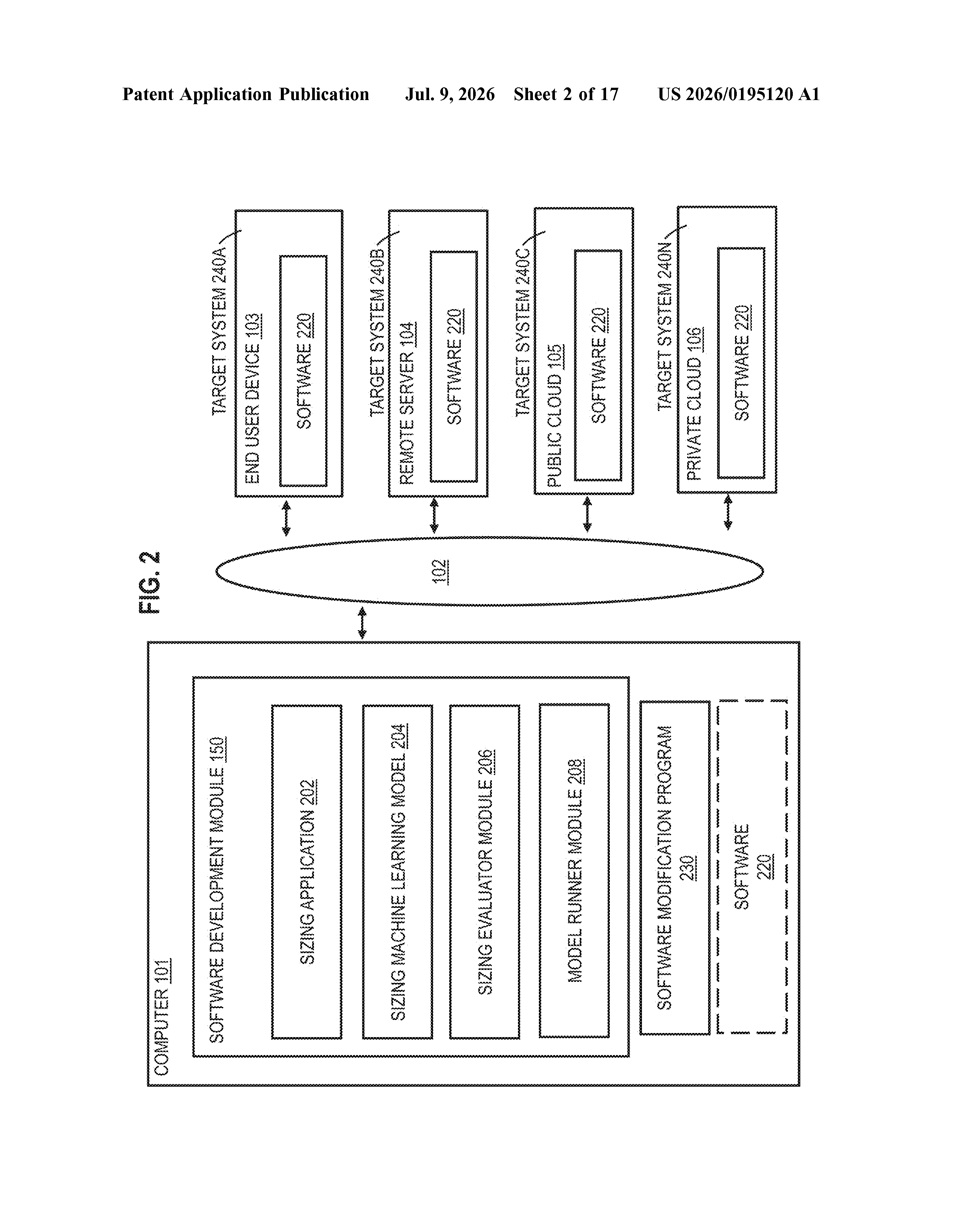
IBM's patent describes a system that removes most of that guesswork. An AI model watches how software actually performs on a specific computer system, learns from that real-world feedback, and recommends exactly how much memory, processing power, or other resources the software should be allocated.
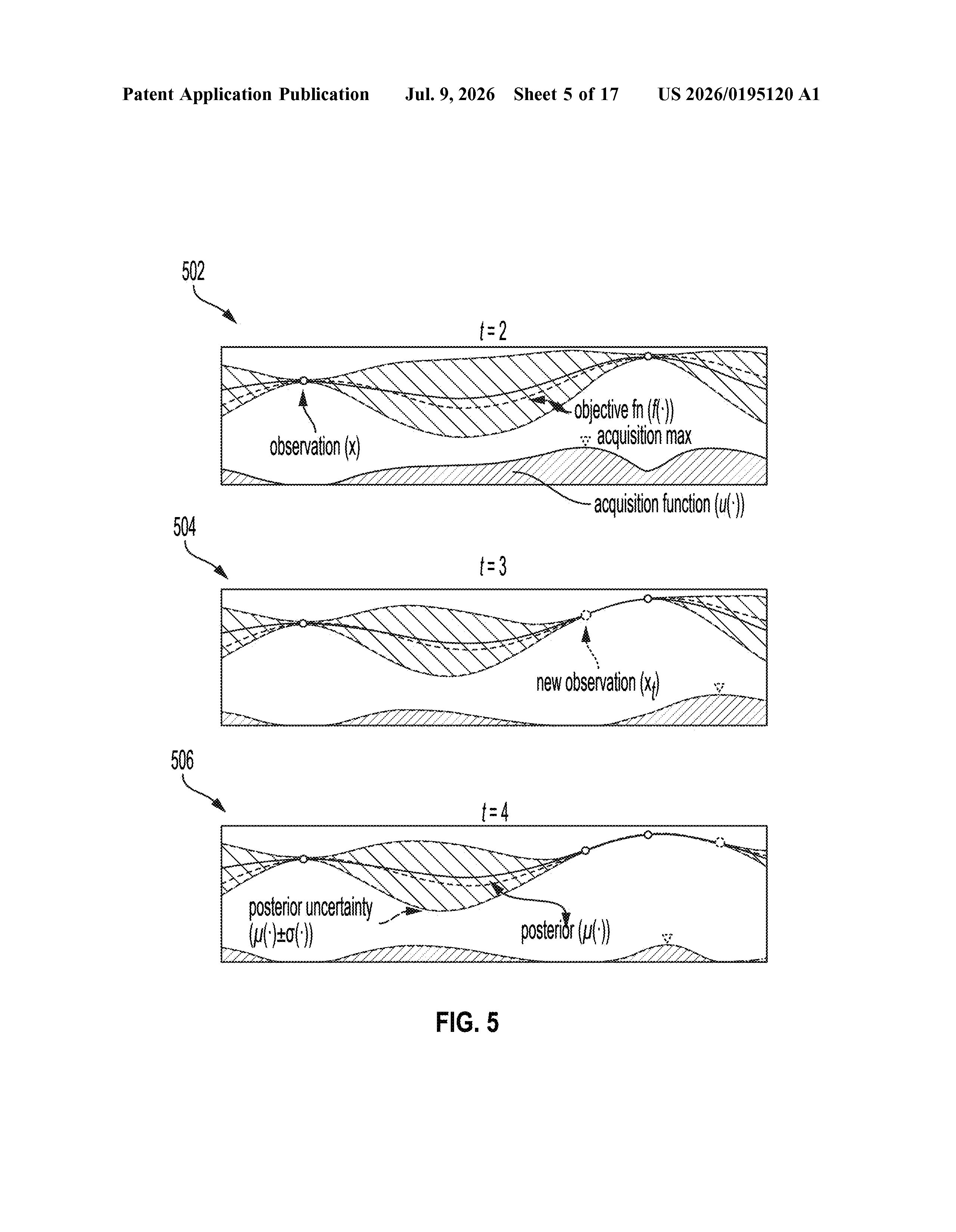
The key word here is tunable. The model doesn't just make a one-time guess; it keeps learning from how the target system responds and refines its recommendations over time. When it spots a mismatch, it can trigger automatic changes to bring the software into better alignment with the hardware it's running on.
How the model trains itself on real system feedback
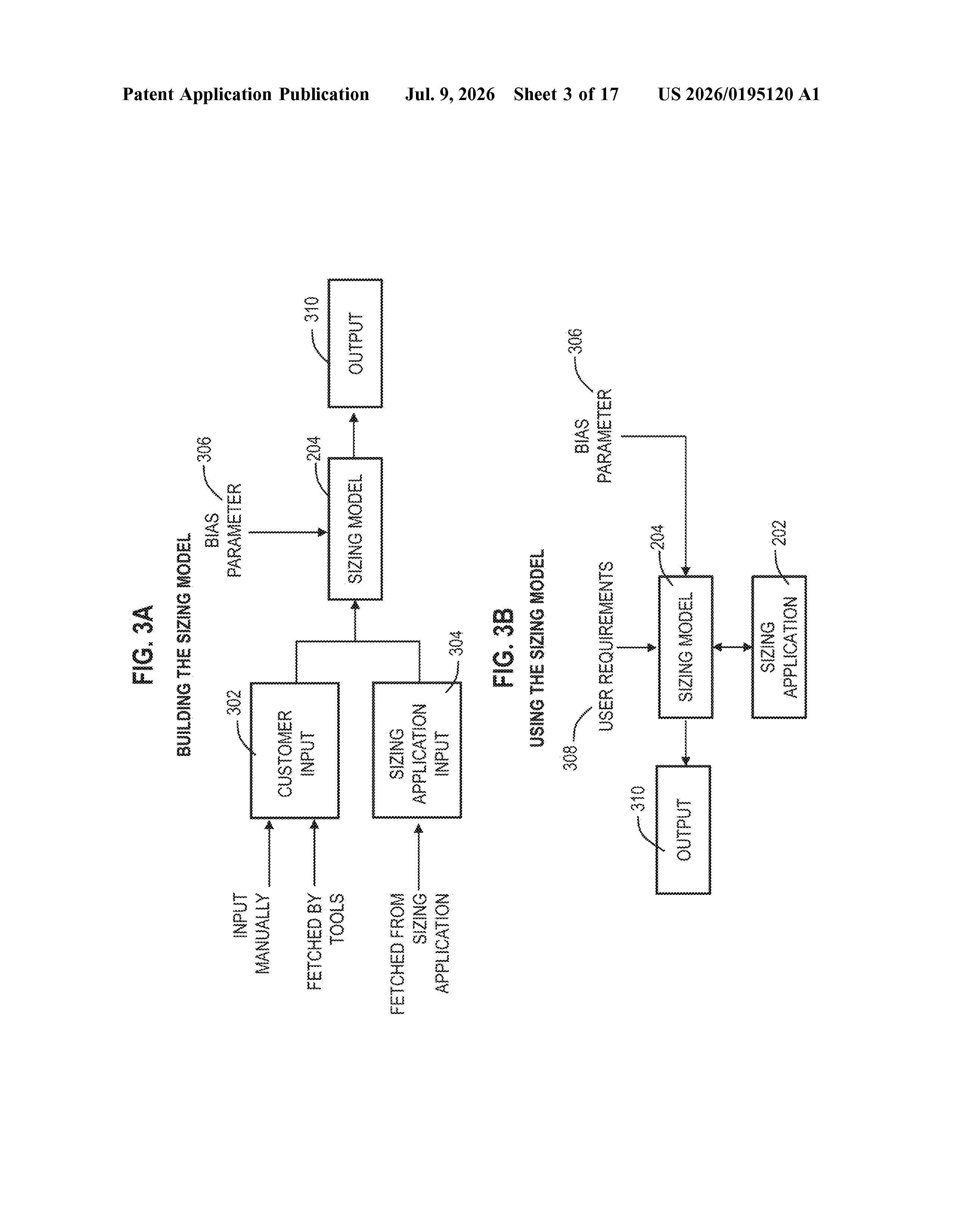
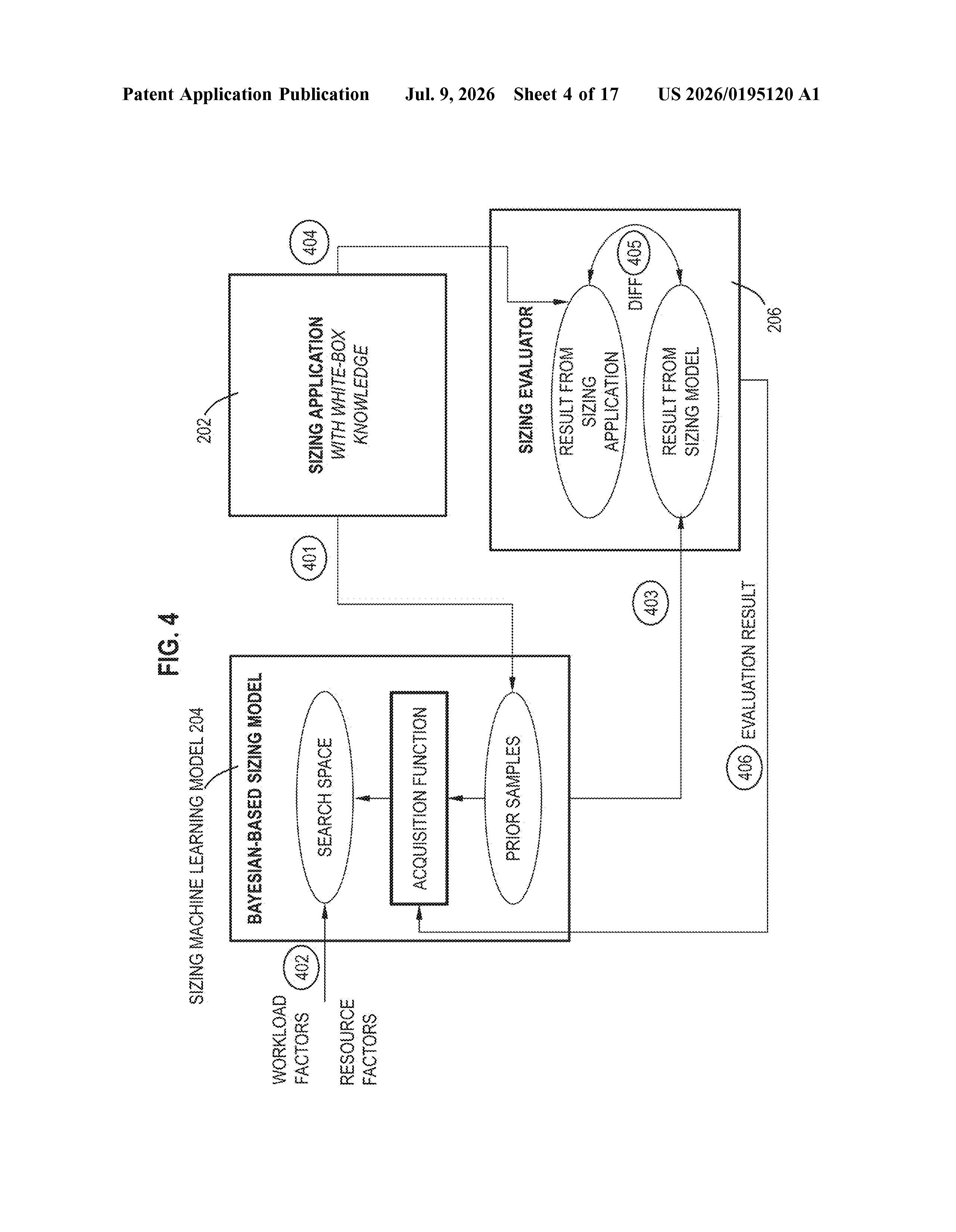
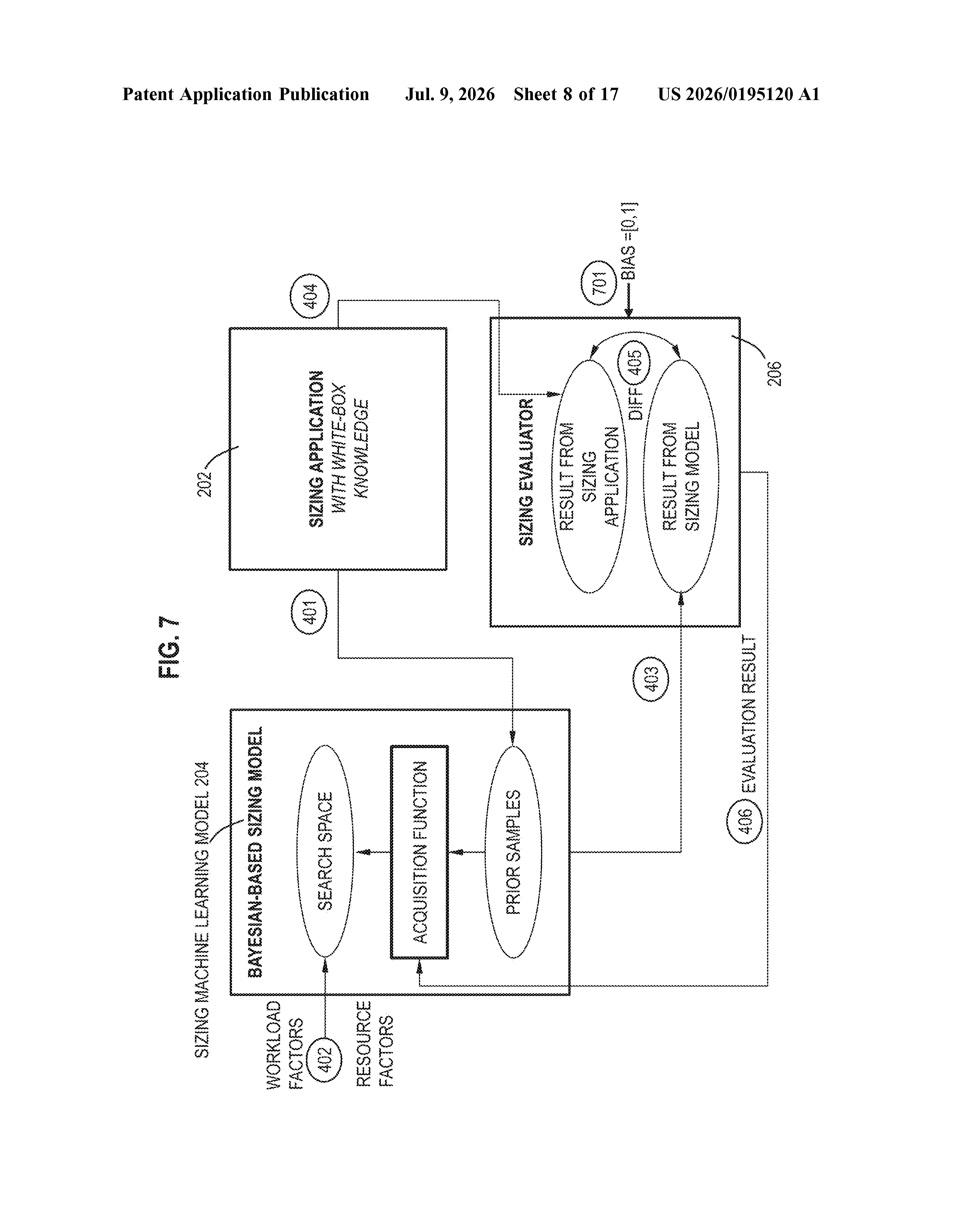
The patent describes a three-part loop. First, IBM's system builds a sizing machine learning model by training it on the output of an existing sizing application (a tool that estimates resource requirements) combined with real data from the specific target system where the software will eventually run.
Second, the model runs against live feedback from that target system. Feedback here means real performance signals: how much CPU the software is actually consuming, how memory usage fluctuates, and similar metrics. The model uses those signals to generate a sizing result, essentially a recommendation about resource allocation.
Third, the system acts on that recommendation. The software itself gets modified based on the sizing result, so it's better matched to the environment it lives in.
- Training phase: Model learns from both a reference sizing tool and the specific target system's characteristics.
- Inference phase: Model runs against live system feedback to produce a sizing recommendation.
- Adjustment phase: Software configuration is changed according to that recommendation.
The loop can repeat, making this an adaptive system rather than a one-shot calculator.
What this means for enterprise software deployment
For large enterprises running dozens or hundreds of software workloads across different server environments, over-provisioning (reserving too many resources) wastes real money, while under-provisioning causes slowdowns and outages. An AI that continuously refines its estimates using actual performance data could meaningfully cut infrastructure costs and reduce the manual tuning that operations teams currently do by hand.
The patent is filed under IBM's enterprise software umbrella, which makes sense given IBM's focus on hybrid cloud and mainframe environments where you often can't just throw more hardware at a problem. Whether this ends up inside an IBM Cloud product or a tool like IBM Turbonomic (which already does resource optimization) is an open question, but the direction is clear.
This is a sensible, narrow patent targeting a genuine pain point in enterprise IT operations. It's not flashy, but resource misconfiguration costs large companies real money, and an AI feedback loop that handles it automatically has obvious commercial value. IBM is not breaking new conceptual ground here, but the specific combination of a pre-trained sizing model plus live target-system feedback is a practical refinement worth watching.
Get our take in your Top Stories
Liked this breakdown? Add Patentlyze as a preferred source on Google, and our plain-English take shows up more often in your Top Stories the next time IBM patent news breaks.
There are more where this came from
We read every patent application Big Tech publishes and send you the ones worth knowing. Plain English, free, every week.
The drawings
17 drawing sheets from US 2026/0195120 A1 · click any drawing to enlarge
Want this weekly breakdown for a company we don't cover? Patentlyze Pro →