
NVIDIA Patent: An AI That Generates Physically Accurate Simulated Reality as Video
Nvidia is building what it calls a 'digital twin of the world', an AI that watches video, reads a text description of what should happen next, and generates physically plausible footage of that future. The goal is to give robots and autonomous vehicles a safe place to train before they ever touch the real world.
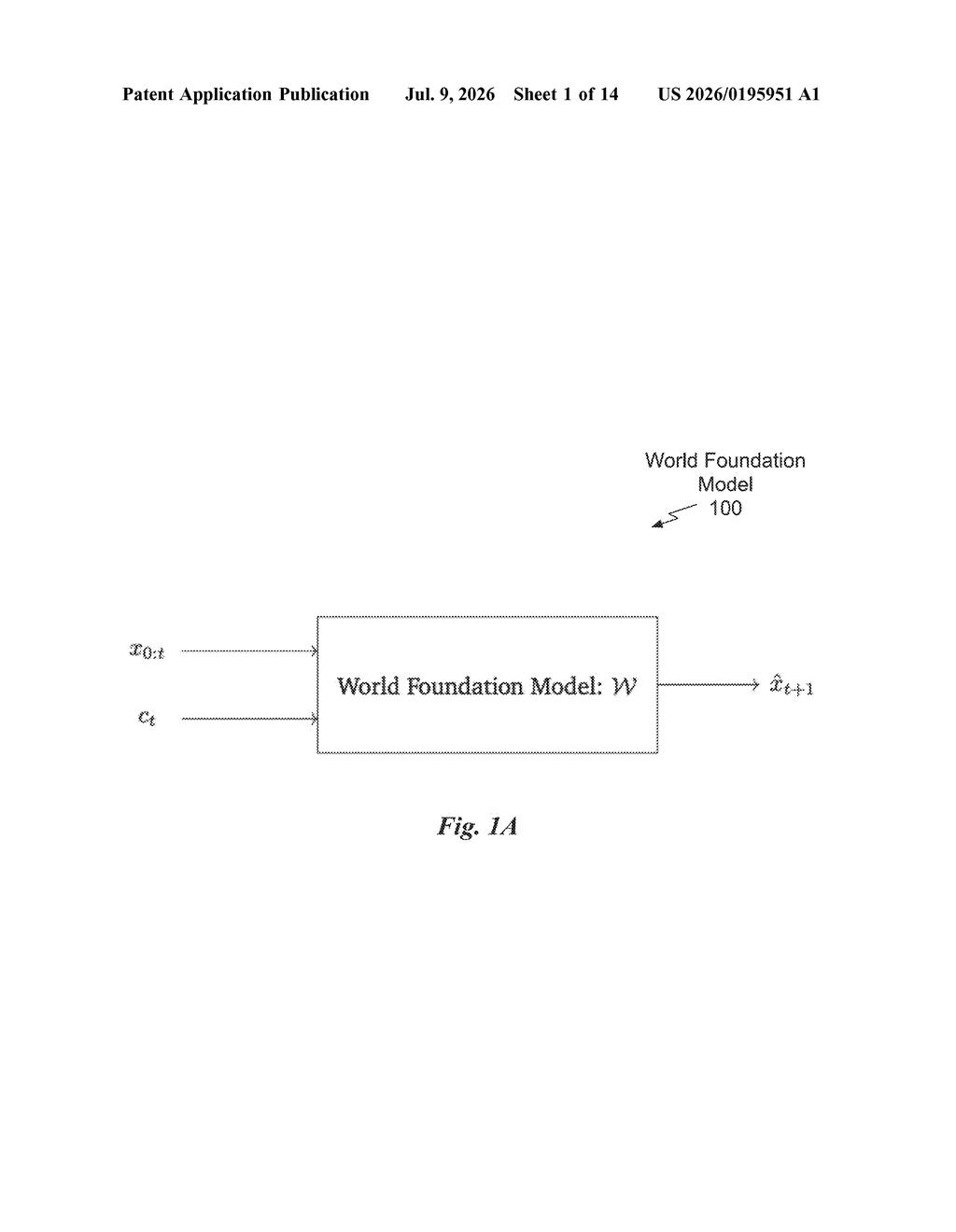
What Nvidia's world-simulation AI actually does
Imagine you're teaching a robot to catch a ball, but you don't want to drop a hundred real balls before it figures it out. What if the robot could practice inside a video simulation that actually follows the laws of physics? That's the core idea behind this Nvidia patent.
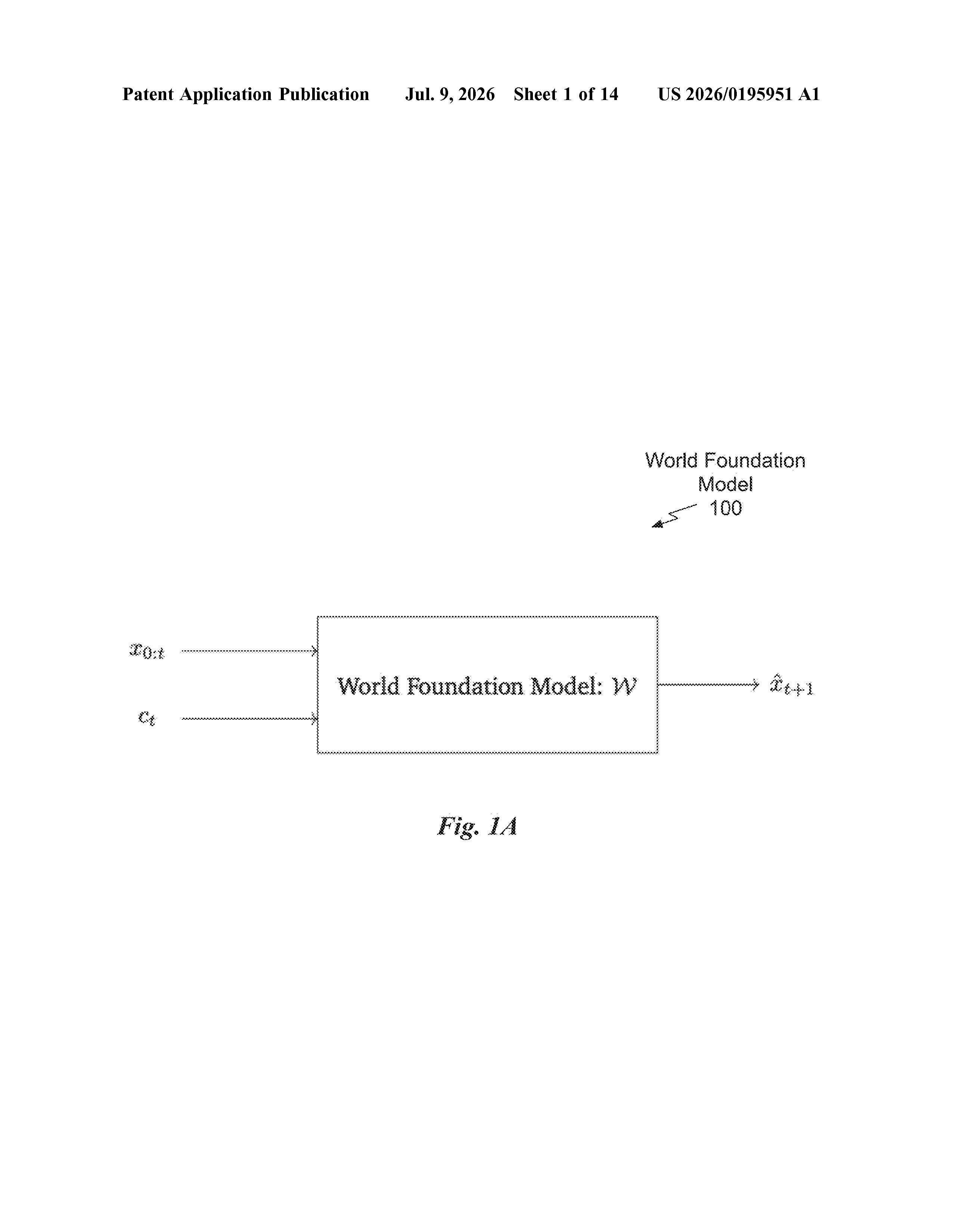
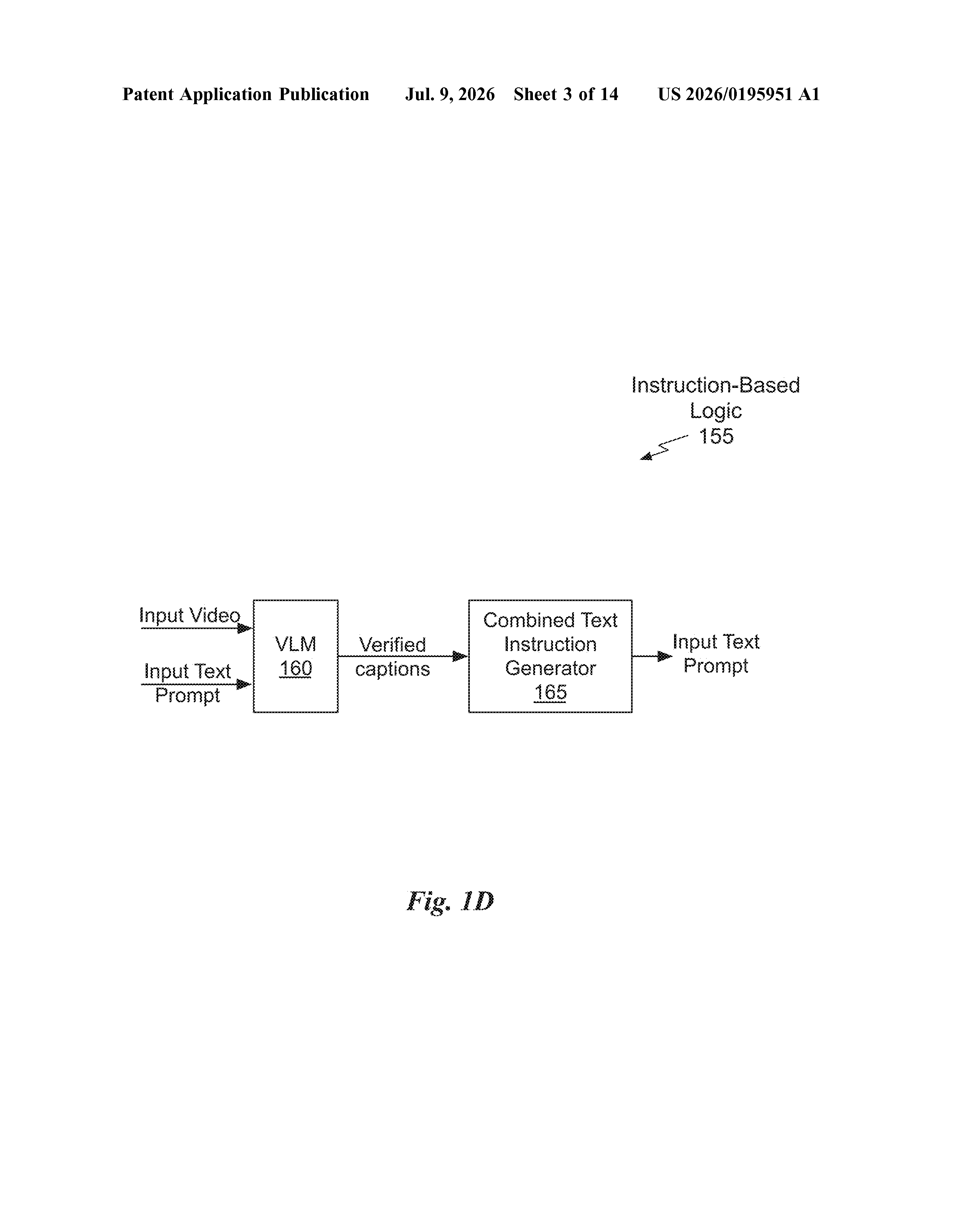
Nvidia's system starts as a text-to-video AI, the kind that turns a written description into a short clip. Then it gets upgraded: you can also feed it real video footage as a starting point, type in a description of what should change (say, 'the car turns left' or 'the box falls off the shelf'), and it generates a believable continuation of that video, frame by frame, without breaking the laws of physics.
The key promise is 3D consistency, objects don't warp, lighting stays coherent, and moving things behave the way they would in the real world. Nvidia calls this a 'world foundation model,' a general-purpose base that other teams can fine-tune for specific tasks like training self-driving cars or warehouse robots.
How the model keeps physics consistent across frames
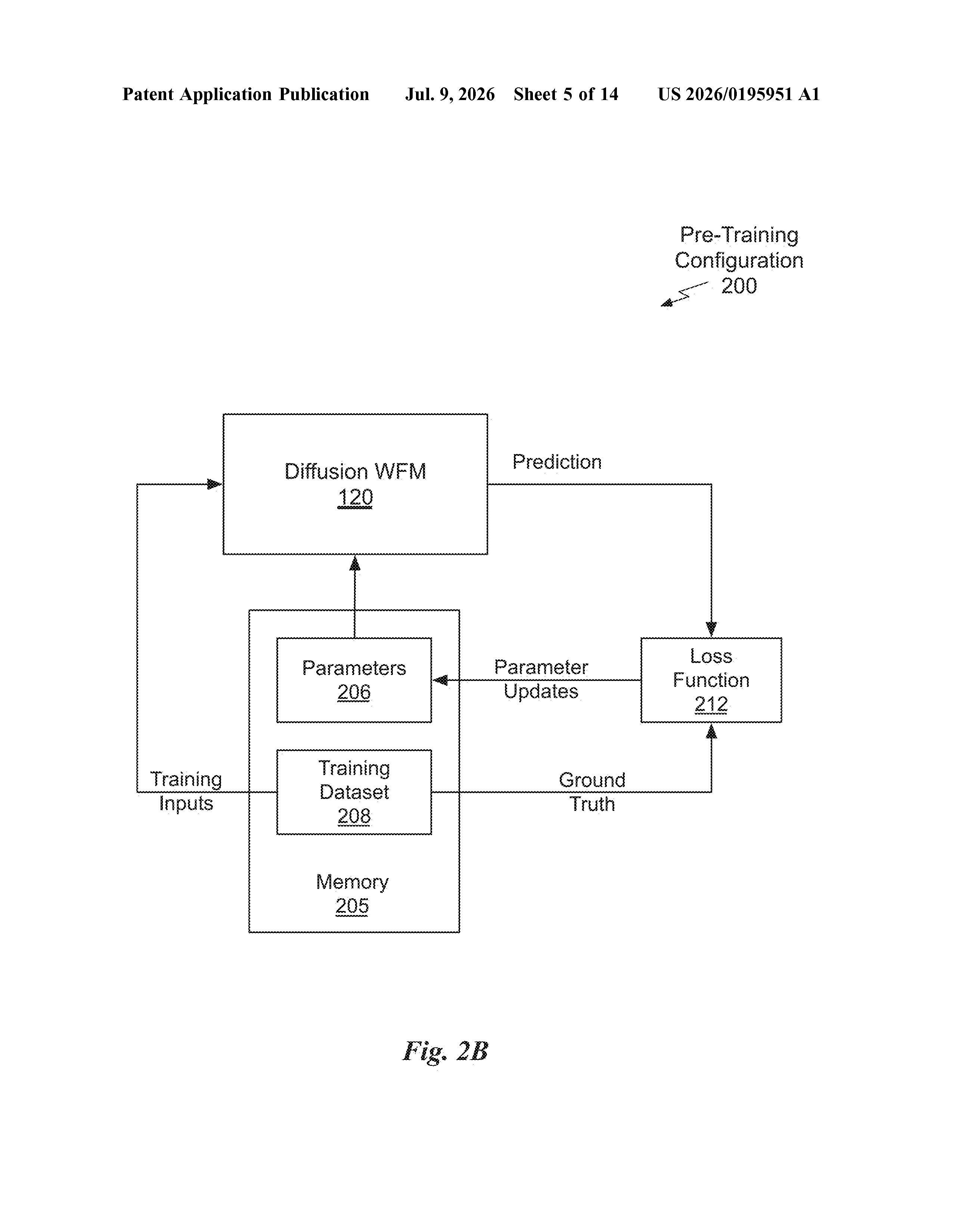
The patent describes a two-stage training process for what Nvidia calls a World Foundation Model (WFM).
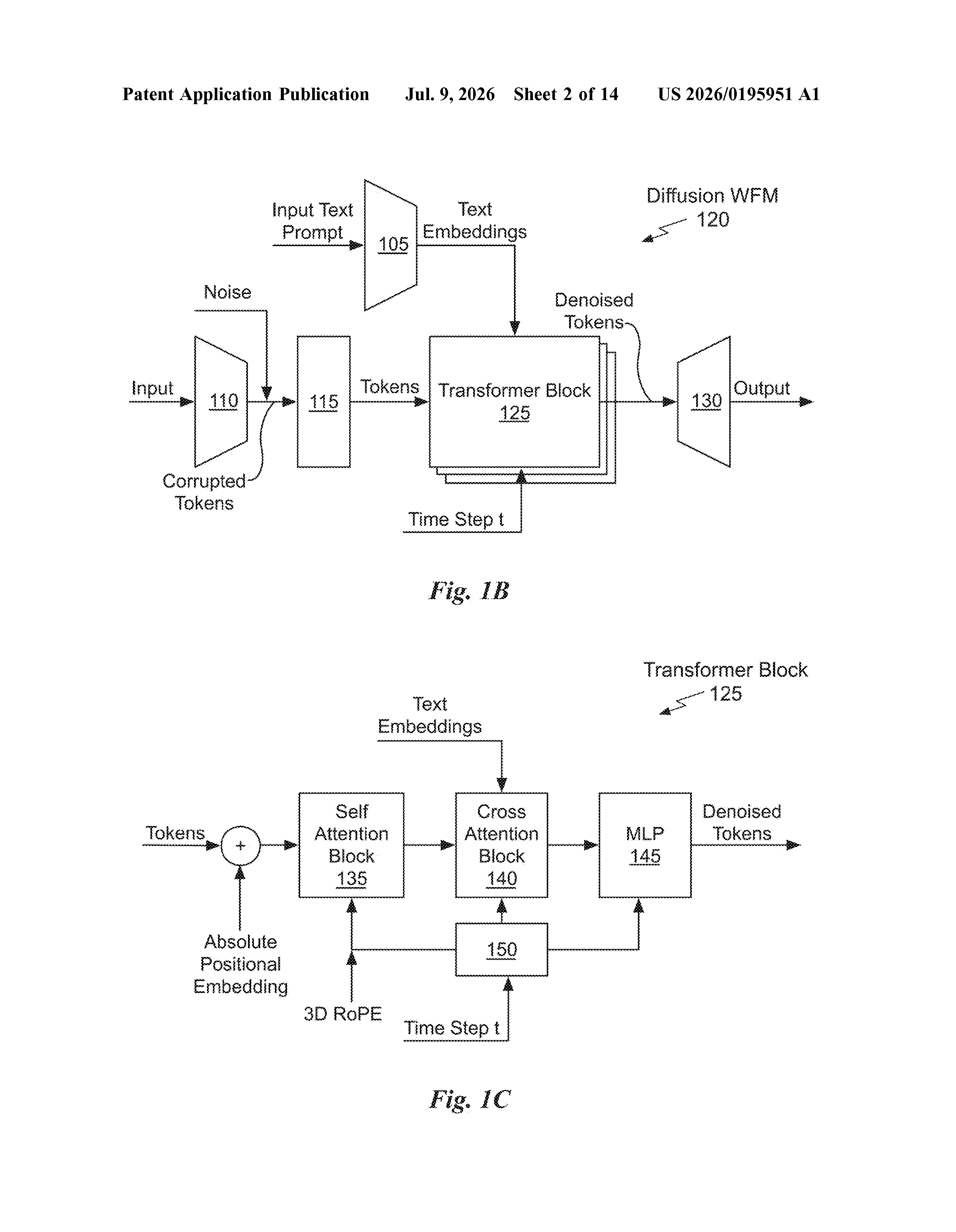
In the first stage, a diffusion model (a type of AI that learns to generate images or video by gradually removing noise from random pixels) is trained to turn text prompts into video clips. This gives the model a broad understanding of how the visual world looks and moves.
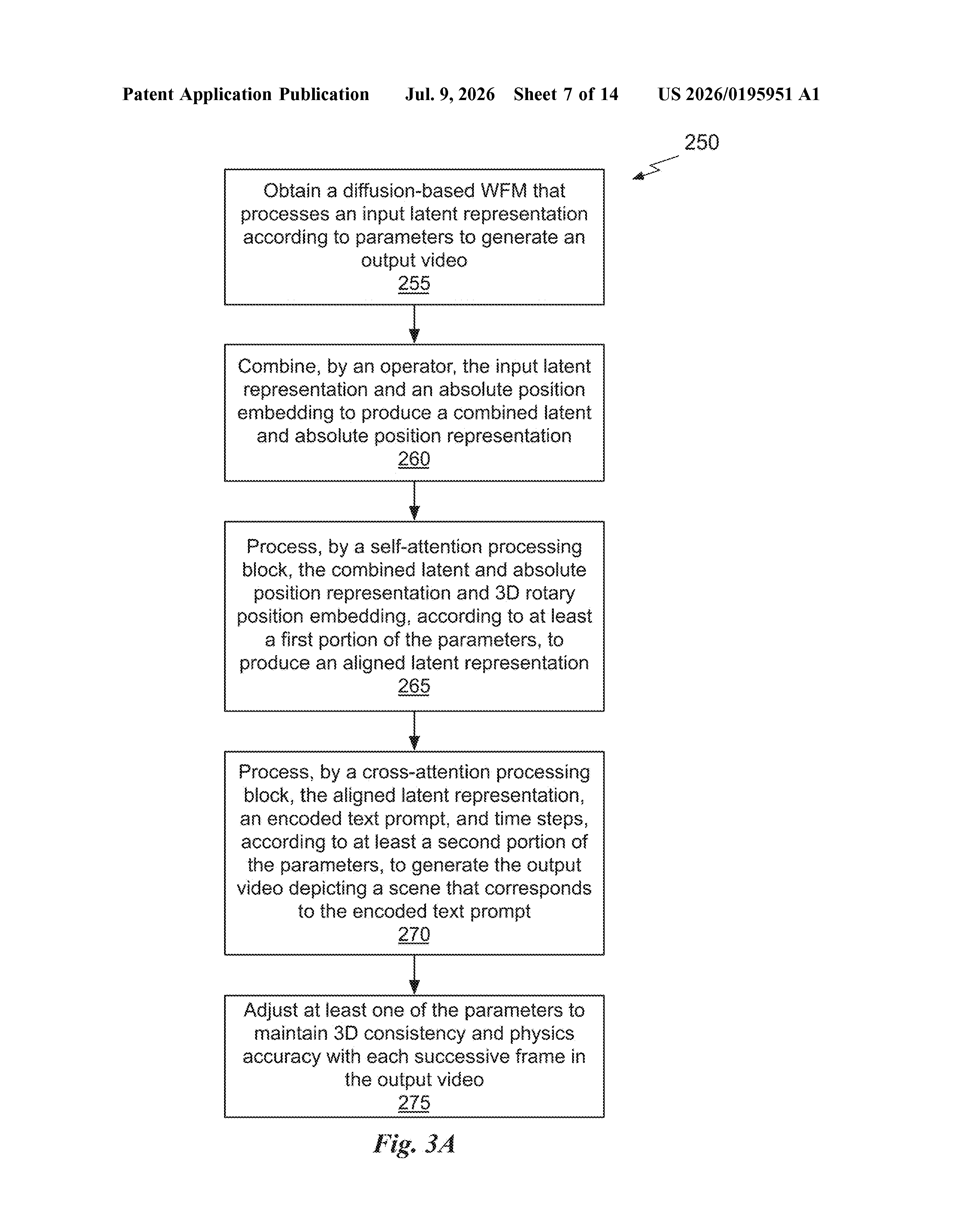
In the second stage, the model is extended to accept actual video frames as input alongside the text prompt. The architecture uses:
- Self-attention with 3D rotary position embeddings, a technique that tells the model where each pixel sits in three-dimensional space across time, not just in a flat 2D grid
- Cross-attention, a mechanism that lets the model 'read' the text prompt and use it to steer what happens next in the generated video
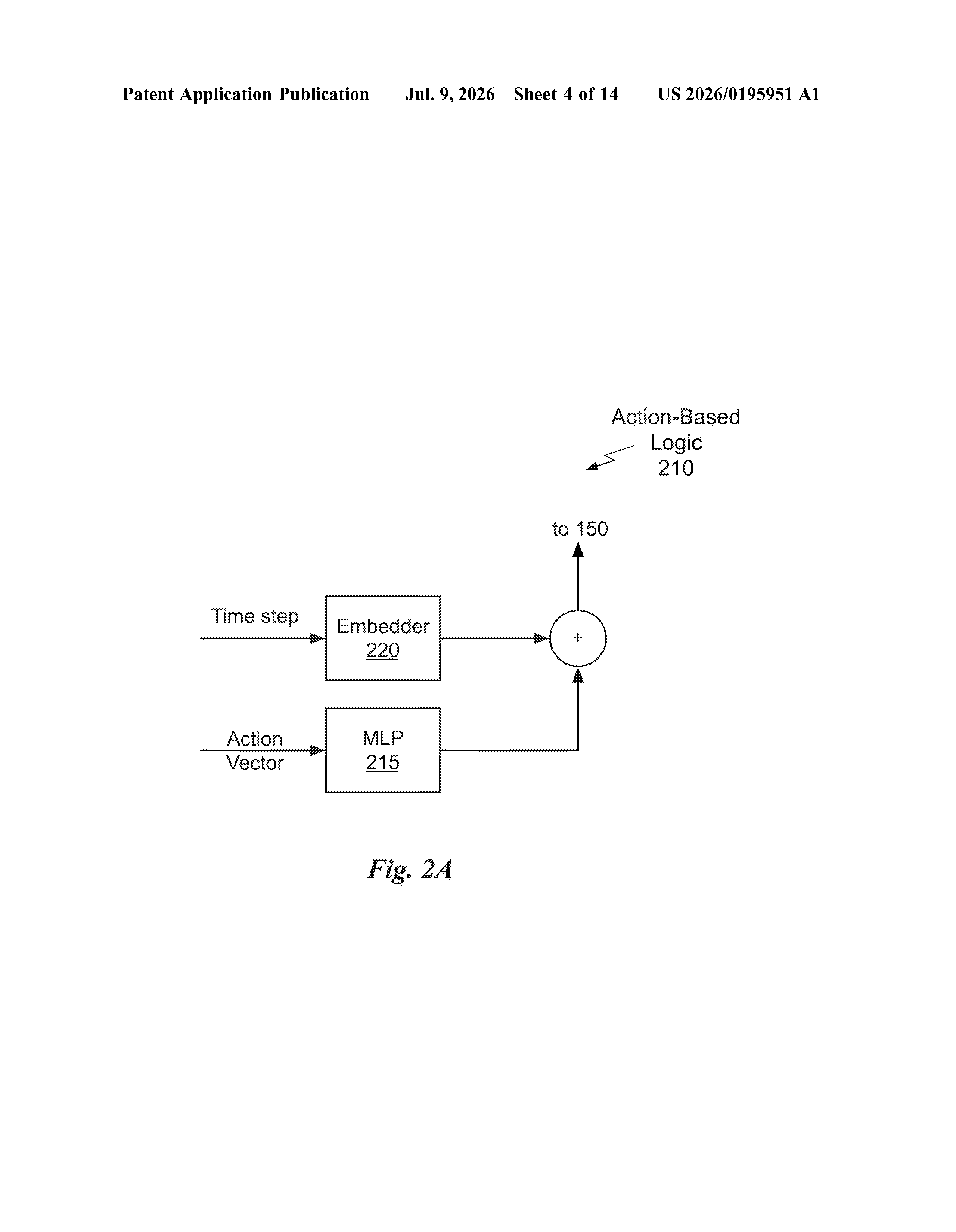
- Absolute position embeddings, additional spatial anchors that help keep objects from drifting or distorting between frames
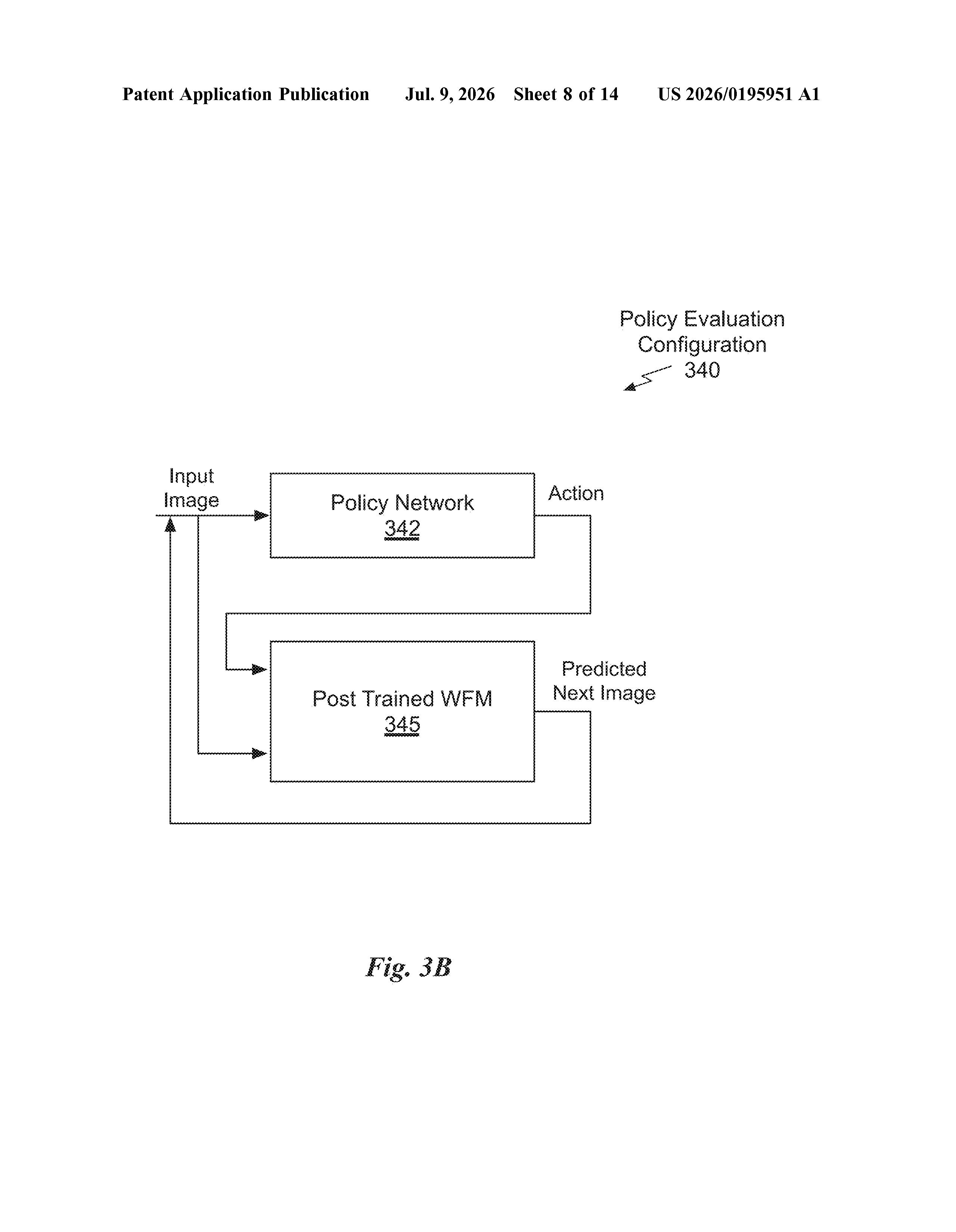
The result is a model that can watch a few seconds of, say, a warehouse floor, receive the instruction 'forklift moves left,' and generate what that scene would look like a moment later, with consistent lighting, geometry, and object physics. The patent emphasizes that this base model is designed to be fine-tuned, meaning other teams can adapt it to specific environments like a factory floor or a highway.
What this means for robots and self-driving systems
For robotics and autonomous driving, the biggest cost in AI training isn't compute, it's collecting enough real-world data for rare or dangerous situations. A model that can generate physically accurate 'what happens next' video from existing footage could dramatically reduce the amount of real-world testing required before a robot or a car is trusted to act on its own.
Nvidia already sells hardware and software to companies building autonomous systems, and a general-purpose world model slots directly into that ecosystem. If this kind of pre-trained foundation model becomes a standard starting point, it could give Nvidia significant influence over how the next generation of physical AI systems are trained, in the same way that large language models became a standard starting point for text-based AI products.
This is one of the more substantive AI patents Nvidia has filed in recent memory. A general-purpose, physics-aware video model that other teams can fine-tune is exactly the kind of infrastructure bet that pays off slowly and then all at once. The hard part isn't the architecture described here, it's whether the generated video is actually accurate enough to train real robots without introducing dangerous simulation artifacts. That question doesn't get answered in a patent filing.
Get our take in your Top Stories
Liked this breakdown? Add Patentlyze as a preferred source on Google, and our plain-English take shows up more often in your Top Stories the next time Nvidia patent news breaks.
There are more where this came from
We read every patent application Big Tech publishes and send you the ones worth knowing. Plain English, free, every week.
The drawings
14 drawing sheets from US 2026/0195951 A1 · click any drawing to enlarge
Want this weekly breakdown for a company we don't cover? Patentlyze Pro →