
Nvidia's New Patent Teaches Robots by Showing Them AI Videos of Themselves
Training a robot normally means thousands of hours of real-world trial and error. Nvidia's new patent wants to skip most of that by having an AI imagine what the robot should do, then teaching the robot from those imagined videos.
How Nvidia's robot training shortcut actually works
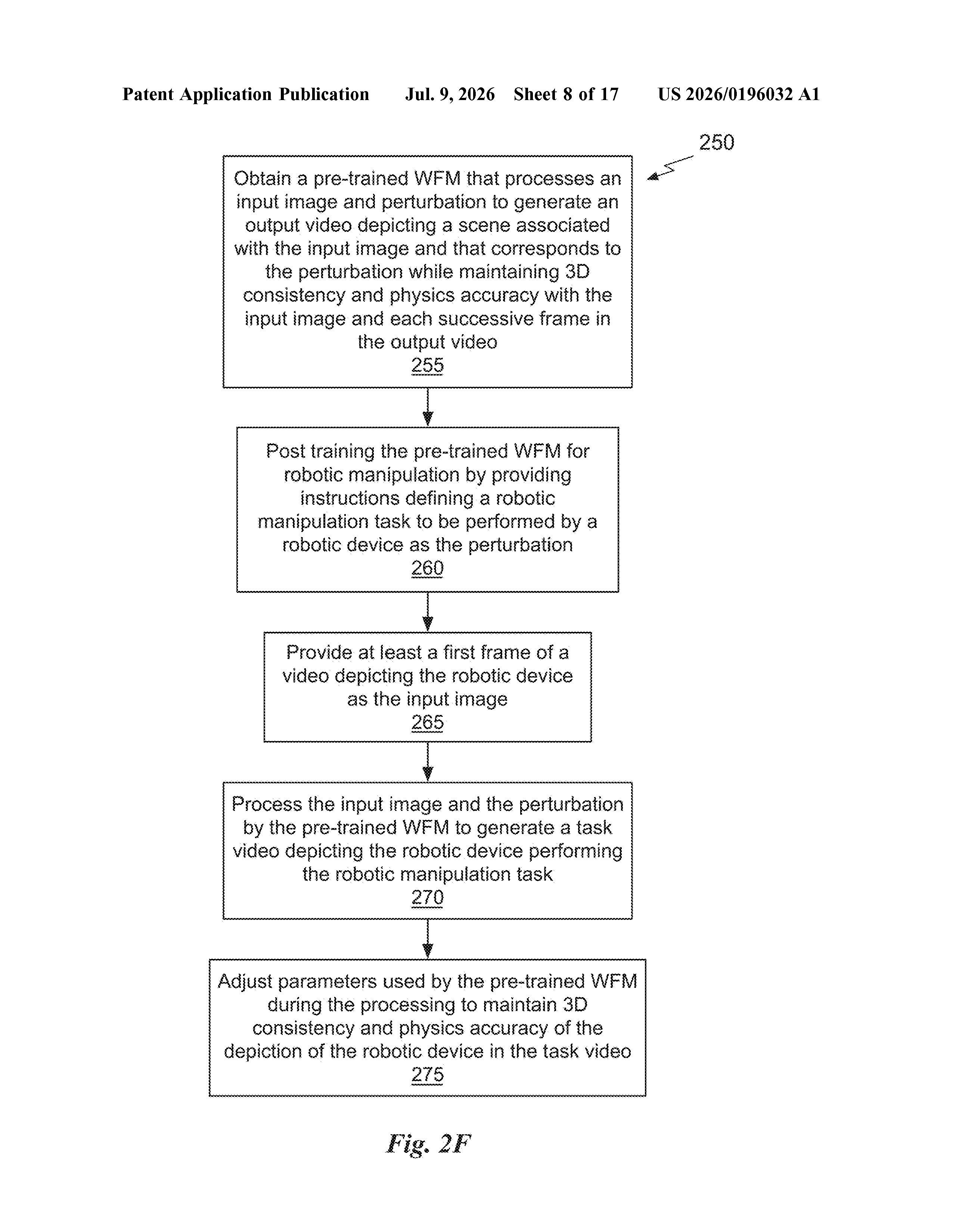
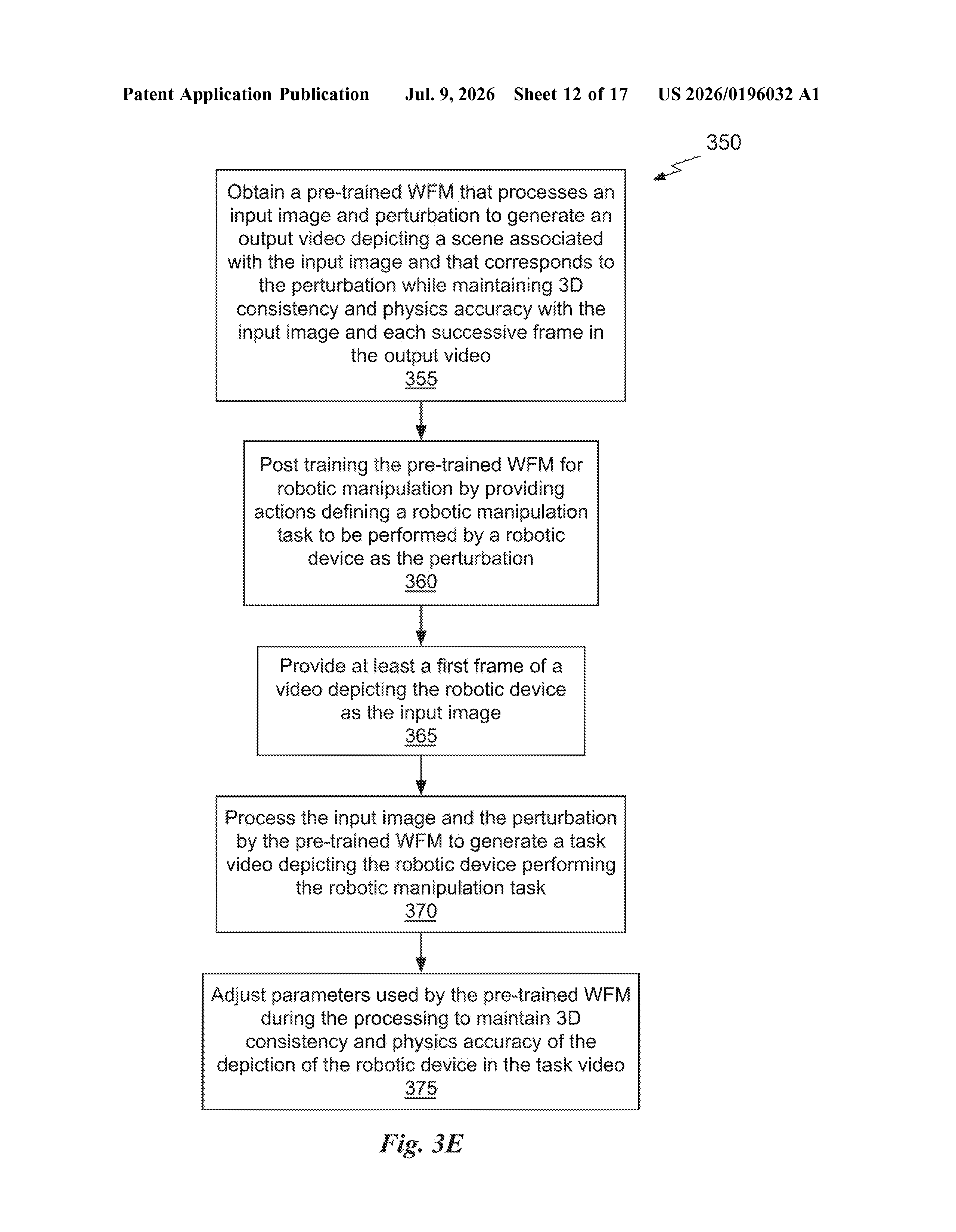
Imagine teaching someone to cook not by having them practice in a real kitchen, but by showing them thousands of realistic videos of a chef doing exactly what you want. Nvidia's patent applies that same logic to robots. Instead of letting a robot fumble through physical practice runs, you feed an AI a single image of the robot's workspace and a text description of the task, and the AI generates a video showing the robot completing that task correctly.
The key word here is physics-accurate. The AI doesn't just draw any plausible-looking video. It has to make sure objects don't pass through each other, that gravity behaves correctly, and that the scene stays consistent from one frame to the next. That consistency is what makes the generated video useful as training material.
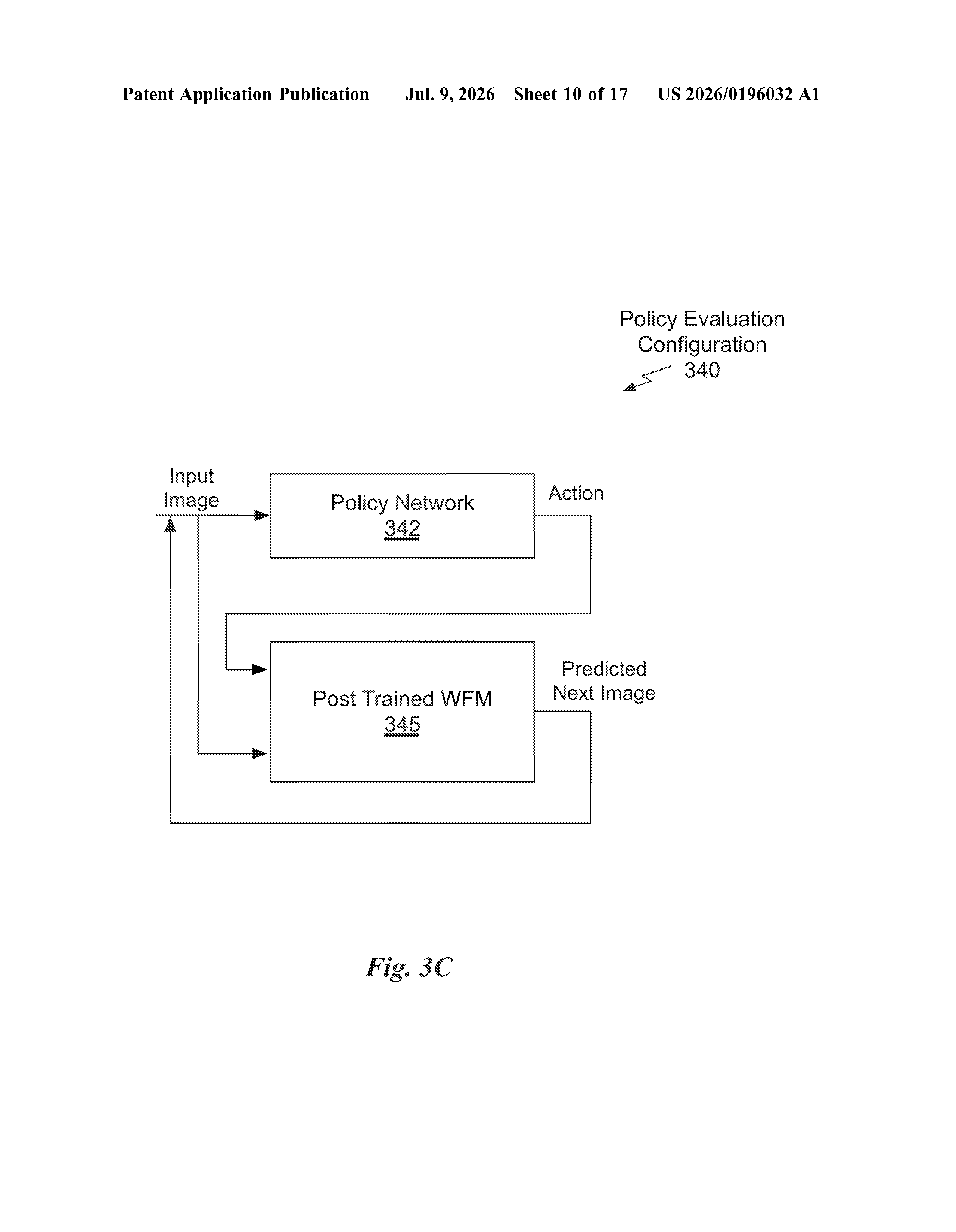
Once that video exists, the robot can learn from it the same way it would learn from real footage, but without anyone needing to physically demonstrate the task hundreds of times. It's a way to make robot training faster and cheaper by doing more of the work inside a computer.
How the world model generates physics-accurate task videos
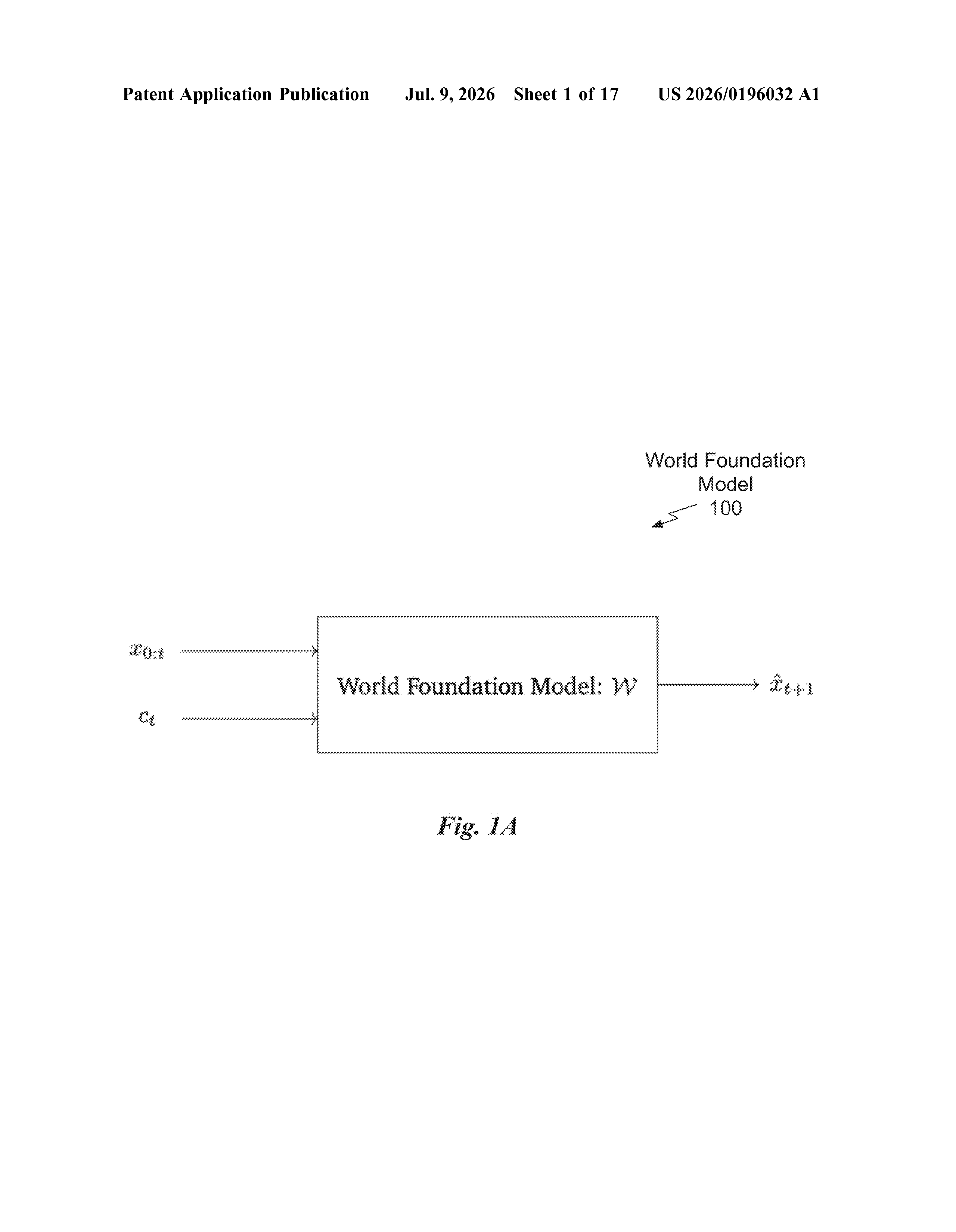
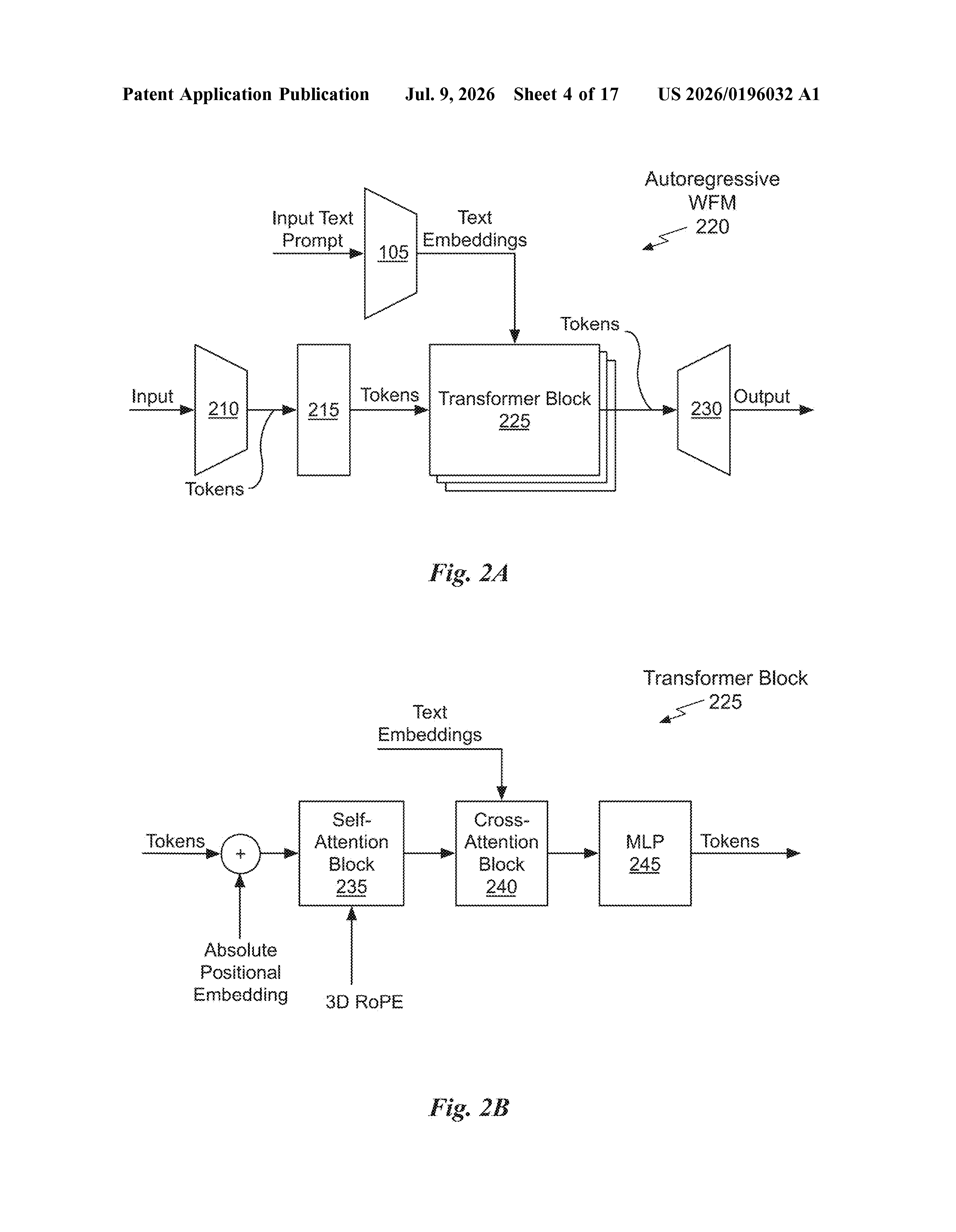
The patent describes a two-stage process built around what Nvidia calls a World Foundation Model (WFM), which is a large AI model pre-trained to understand how the physical world looks and behaves over time, similar to how a large language model understands text.
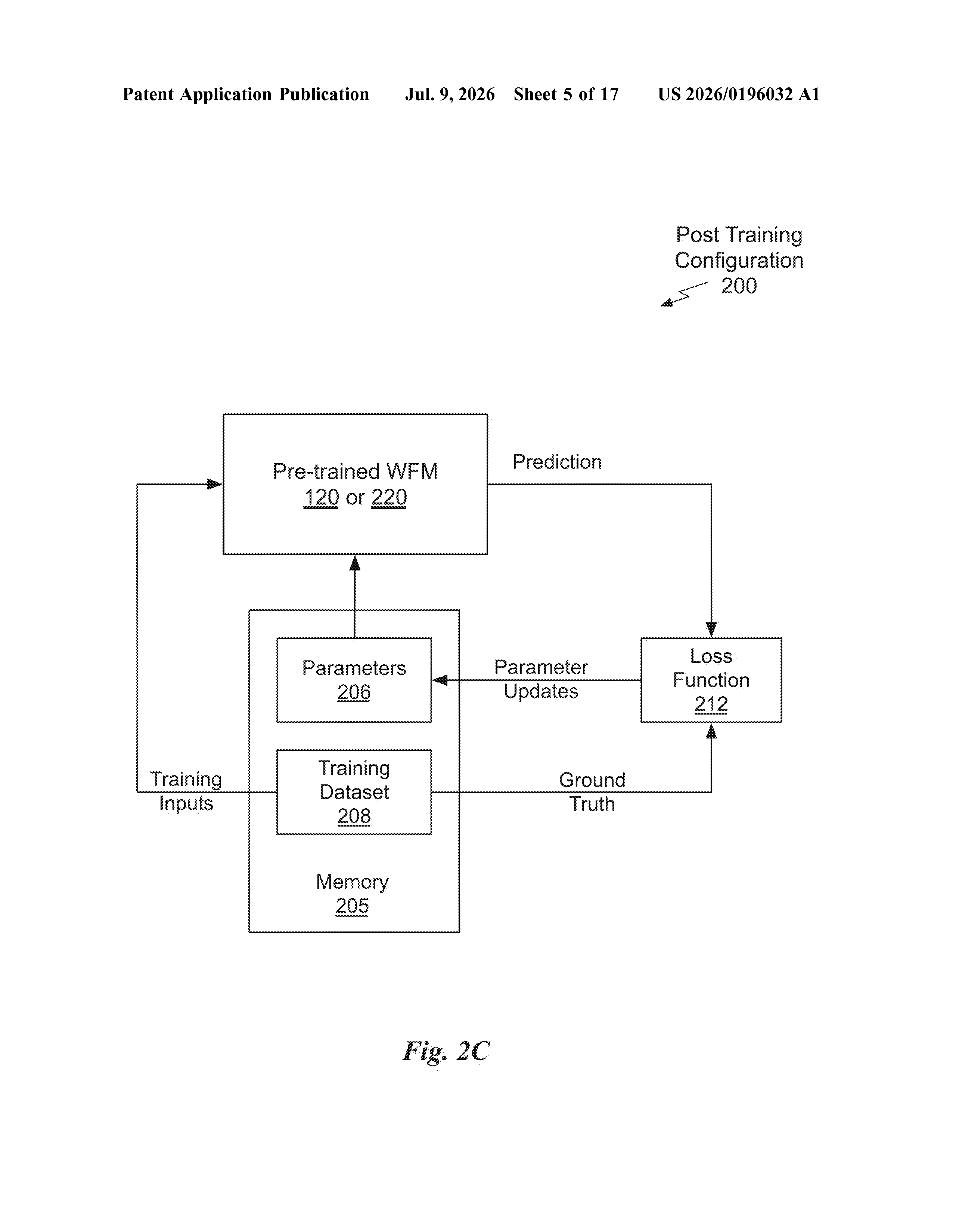
In the first stage, the WFM is trained broadly on video data so it learns general rules about physics, depth, and object permanence. In the second stage, called post-training (or fine-tuning, meaning adjusting a pre-built model for a specific purpose rather than starting from scratch), the model is handed:
- A starting image of the robot and its environment
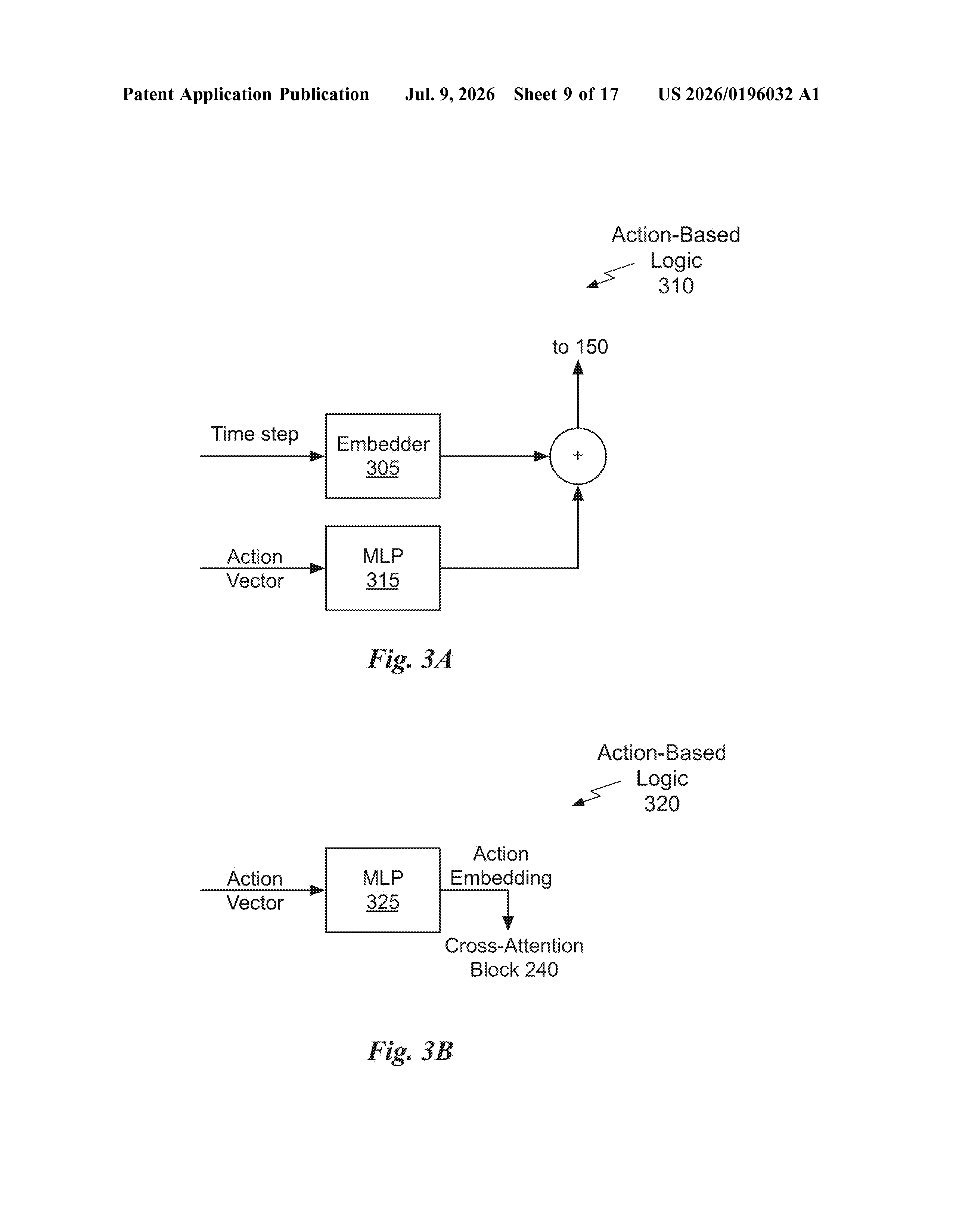
- A text description or action sequence defining the manipulation task (for example, 'pick up the red block and place it in the bin')
The WFM then generates a video showing the robot completing that task, frame by frame, while preserving three-dimensional consistency (objects don't teleport or warp between frames) and physics accuracy (things fall, collide, and move the way they would in the real world). The model's internal parameters are then adjusted based on how well it maintains that consistency, which is the actual training step.
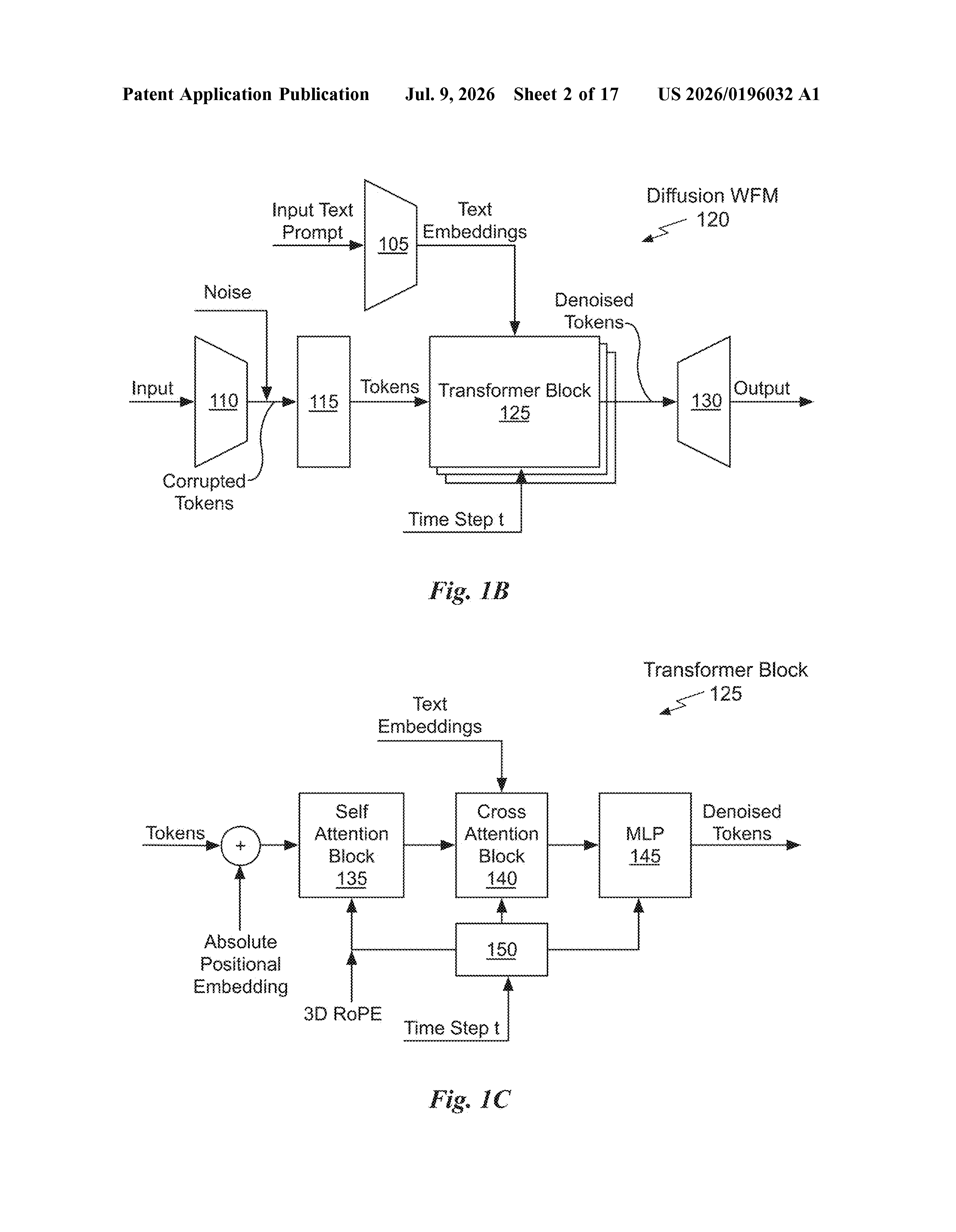
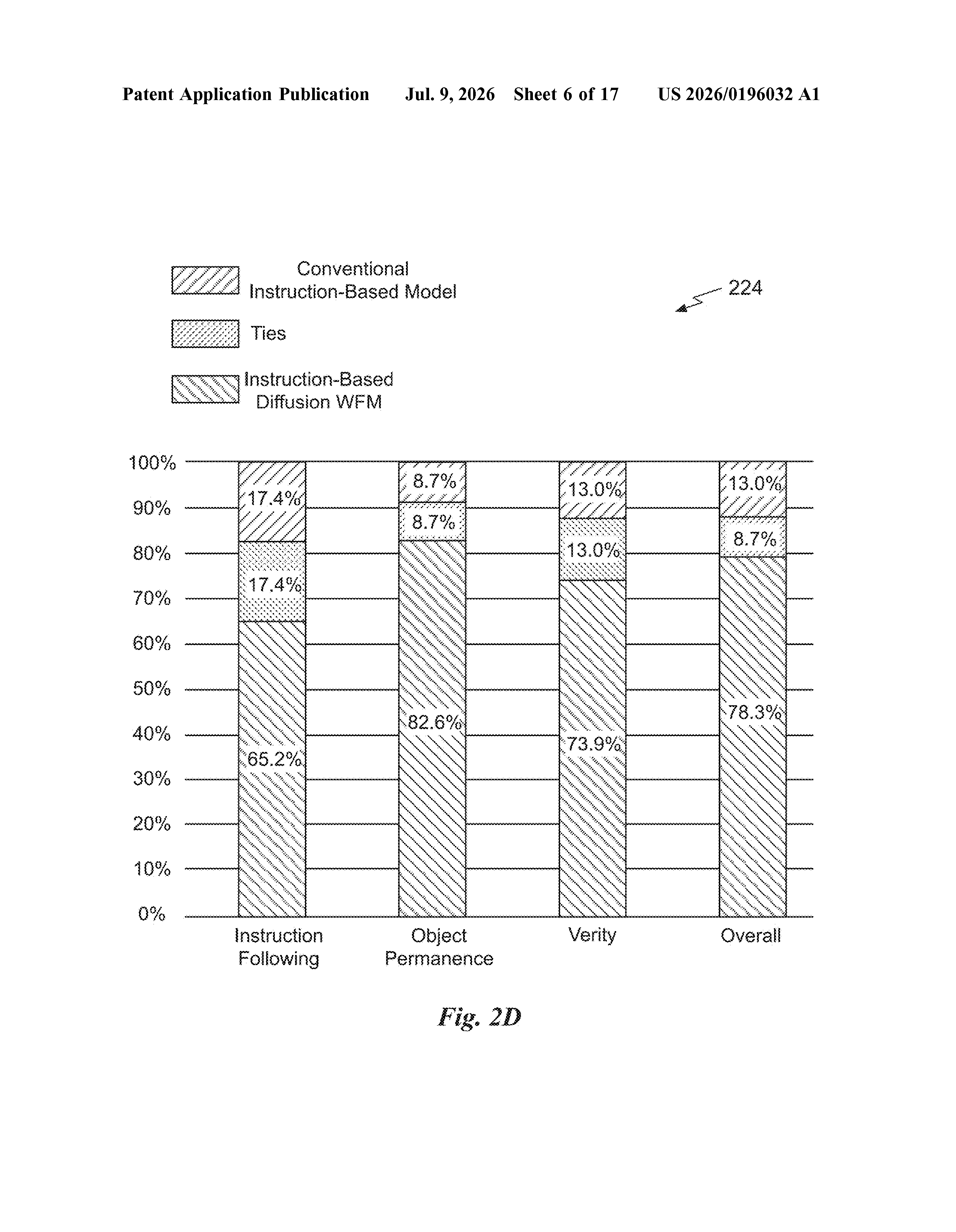
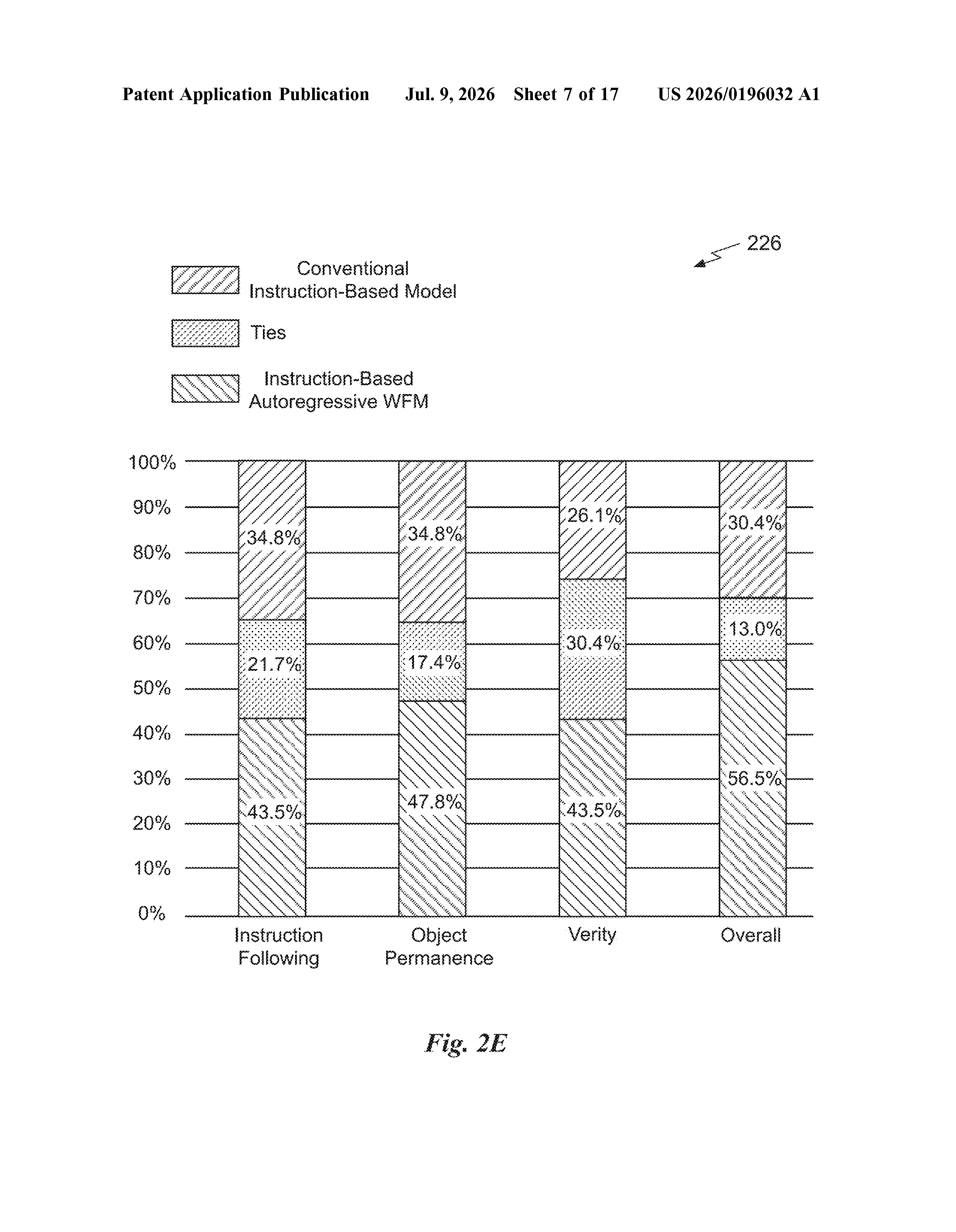
The patent covers both diffusion models (which generate images by refining noise) and autoregressive models (which predict each frame based on the previous one), giving Nvidia flexibility in which underlying architecture to use.
What this means for the future of robot training costs
Robot training today is expensive because it requires either enormous amounts of real-world demonstration data or painstaking human-guided practice sessions. If Nvidia can make a world model that reliably generates physics-accurate training videos on demand, the cost of teaching a robot a new task could drop dramatically. You could potentially describe a new task in plain text and have training data ready in minutes rather than weeks.
This also fits squarely into Nvidia's broader push into physical AI and its Isaac robotics platform. The company has been vocal about its goal to make simulation a primary tool for robot development. A patent that turns pre-trained video AI into a robot training engine is a direct extension of that strategy, and it signals that Nvidia sees its GPU and AI model infrastructure as the backbone for the next generation of industrial and warehouse robotics.
This is one of the more technically coherent robotics patents to come out of Nvidia recently. The idea of fine-tuning a general video AI specifically to generate physics-consistent robot training data is a real engineering problem, and the approach described here is plausible and specific enough to suggest actual research progress rather than aspirational hand-waving. It won't ship as a consumer product, but for anyone watching the industrial robotics space, this is worth tracking.
Get our take in your Top Stories
Liked this breakdown? Add Patentlyze as a preferred source on Google, and our plain-English take shows up more often in your Top Stories the next time Nvidia patent news breaks.
There are more where this came from
We read every patent application Big Tech publishes and send you the ones worth knowing. Plain English, free, every week.
The drawings
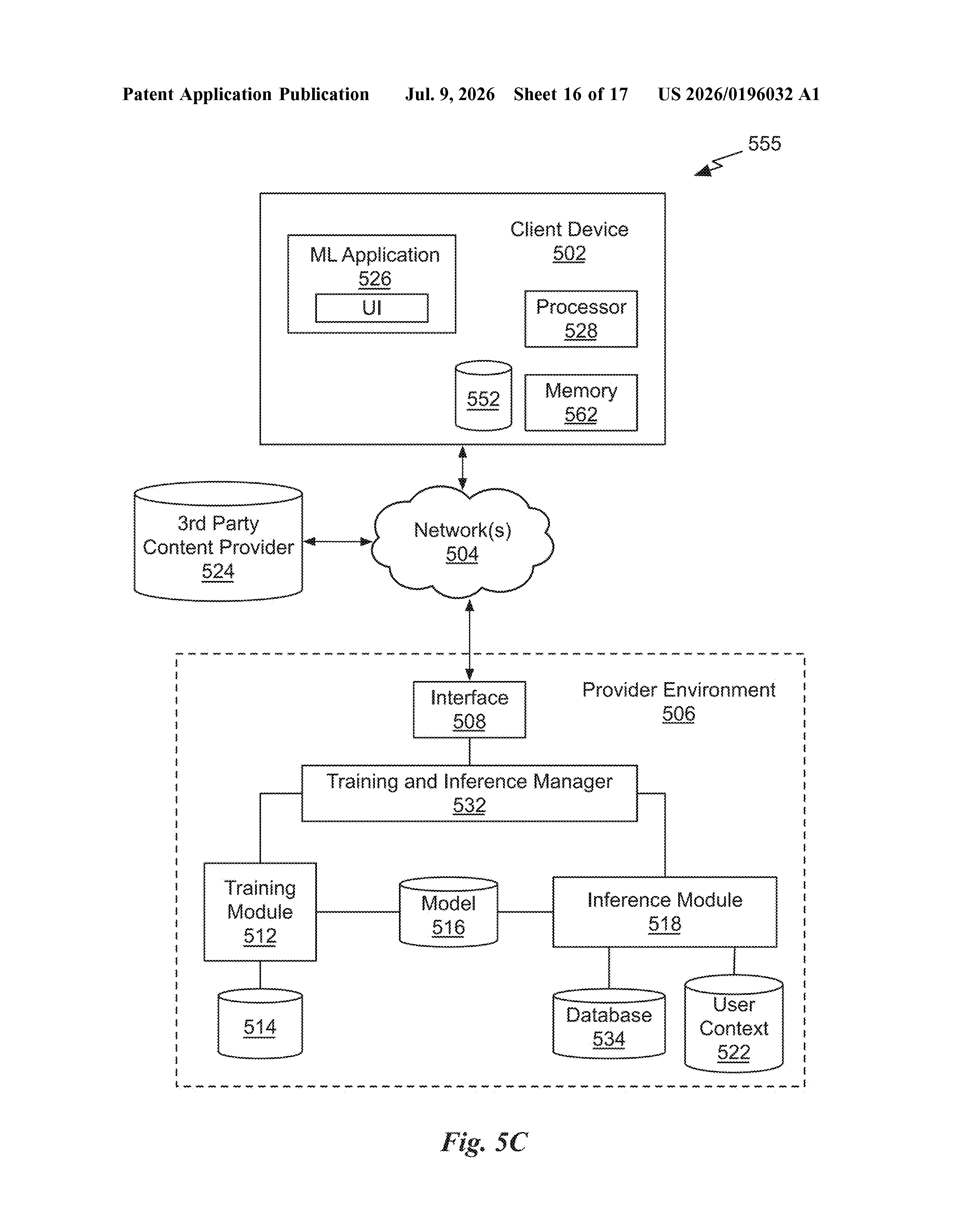
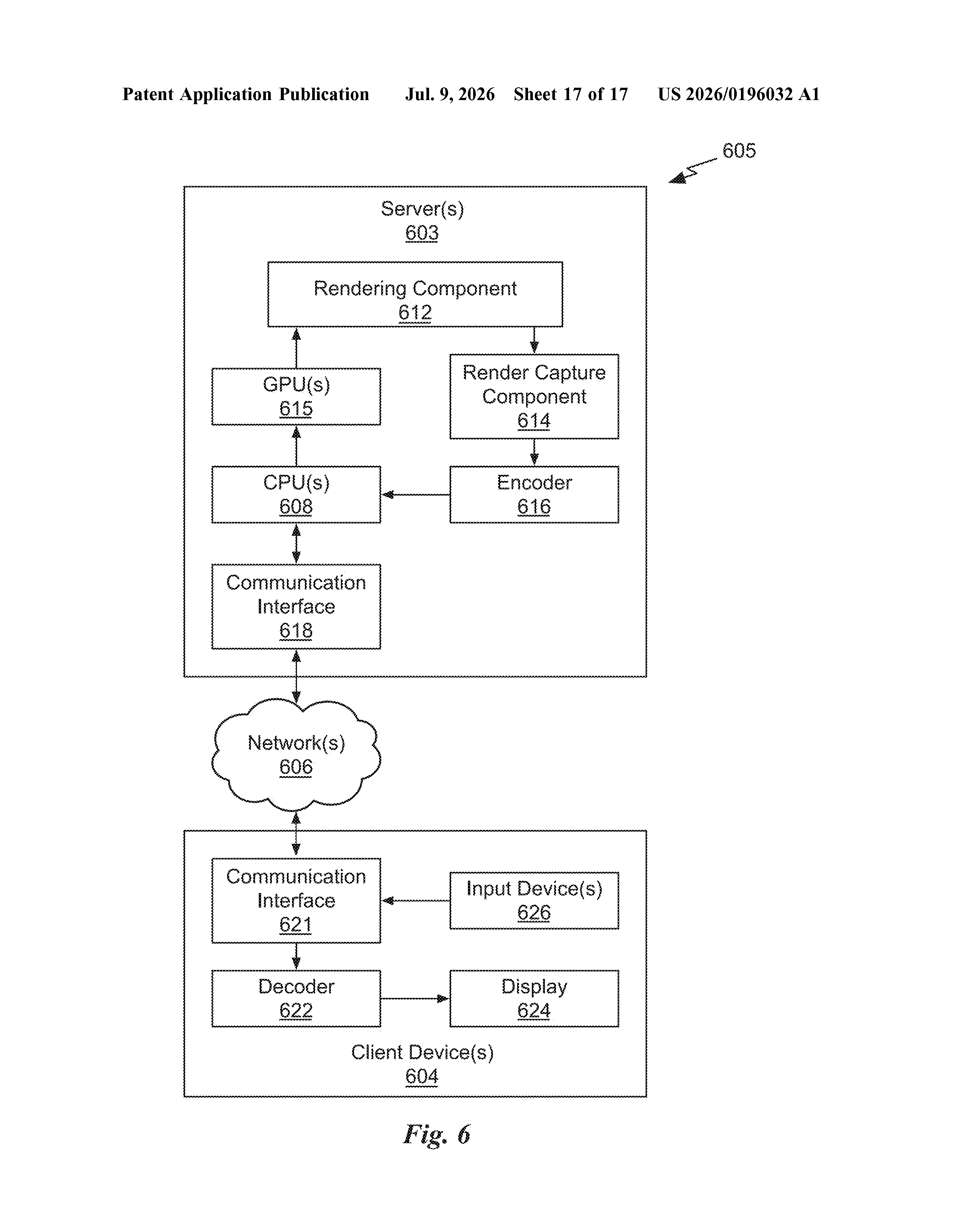
17 drawing sheets from US 2026/0196032 A1 · click any drawing to enlarge
Show the other 9 sheets
Want this weekly breakdown for a company we don't cover? Patentlyze Pro →