
Microsoft Patents a Hybrid System That Uses Quantum Computers to Pick the Best Physics Solver
Microsoft's new patent describes a setup where a classical computer tries several approaches to a hard physics problem, then hands them all to a quantum computer to figure out which one is closest to the truth.
What Microsoft's quantum-classical solver actually does
Imagine you're trying to predict how a drug molecule will behave, but the underlying physics is so complex that no single math shortcut gets it right. Scientists have several competing approaches to simplify the problem, but no reliable way to know which shortcut is best without already knowing the answer.
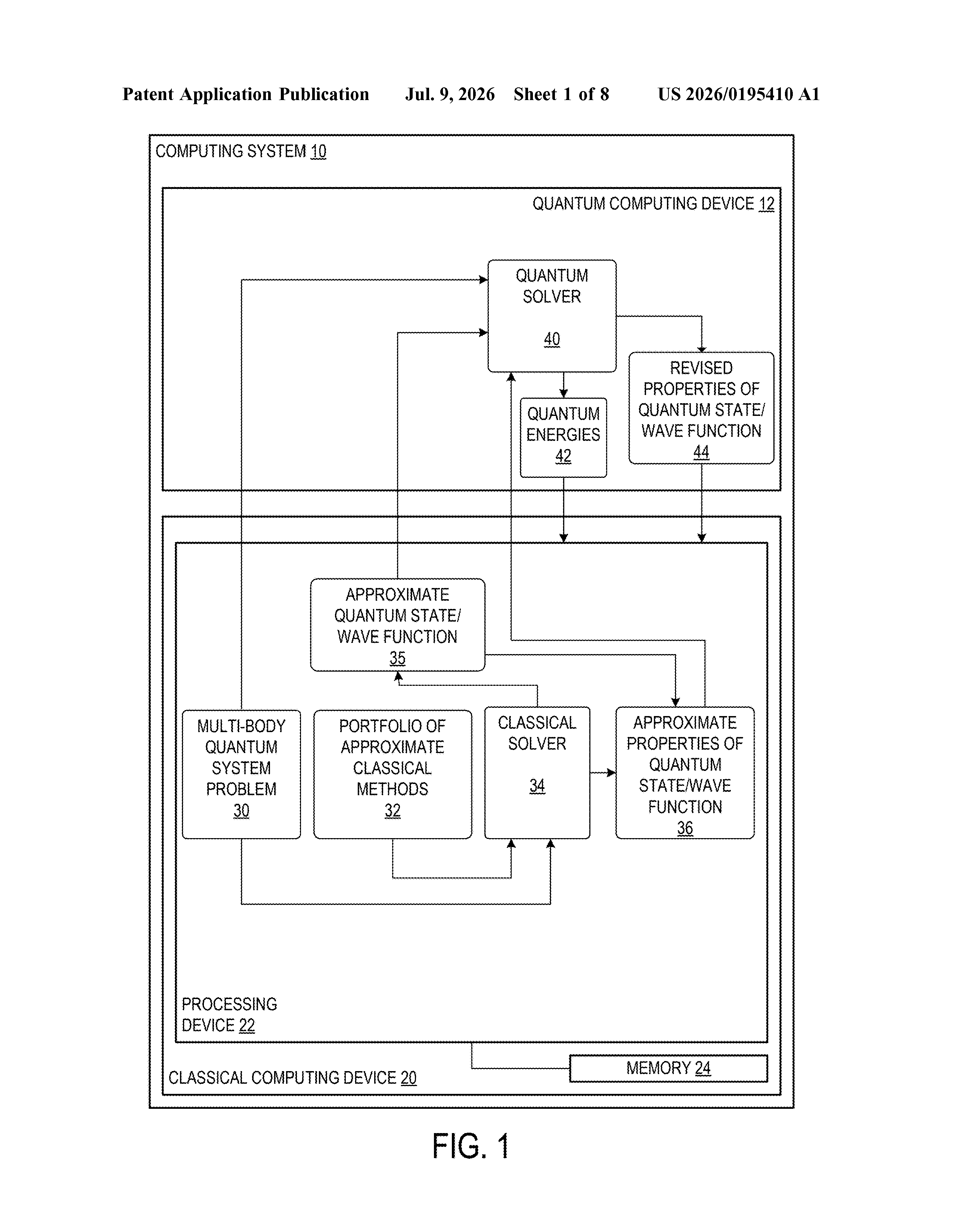
Microsoft's patent tackles that loop. A regular computer runs several approximate solutions at once, like a panel of competing guesses. Then it sends those guesses to a quantum computer, which measures the energy of each one. The lowest-energy result is, by the laws of physics, the most accurate guess.
The classical computer uses that feedback to pick the best approach and then refines its answer further. The result is a workflow where classical and quantum hardware each do what they're good at, rather than asking the quantum machine to carry the whole load on its own.
How the quantum device scores each candidate method
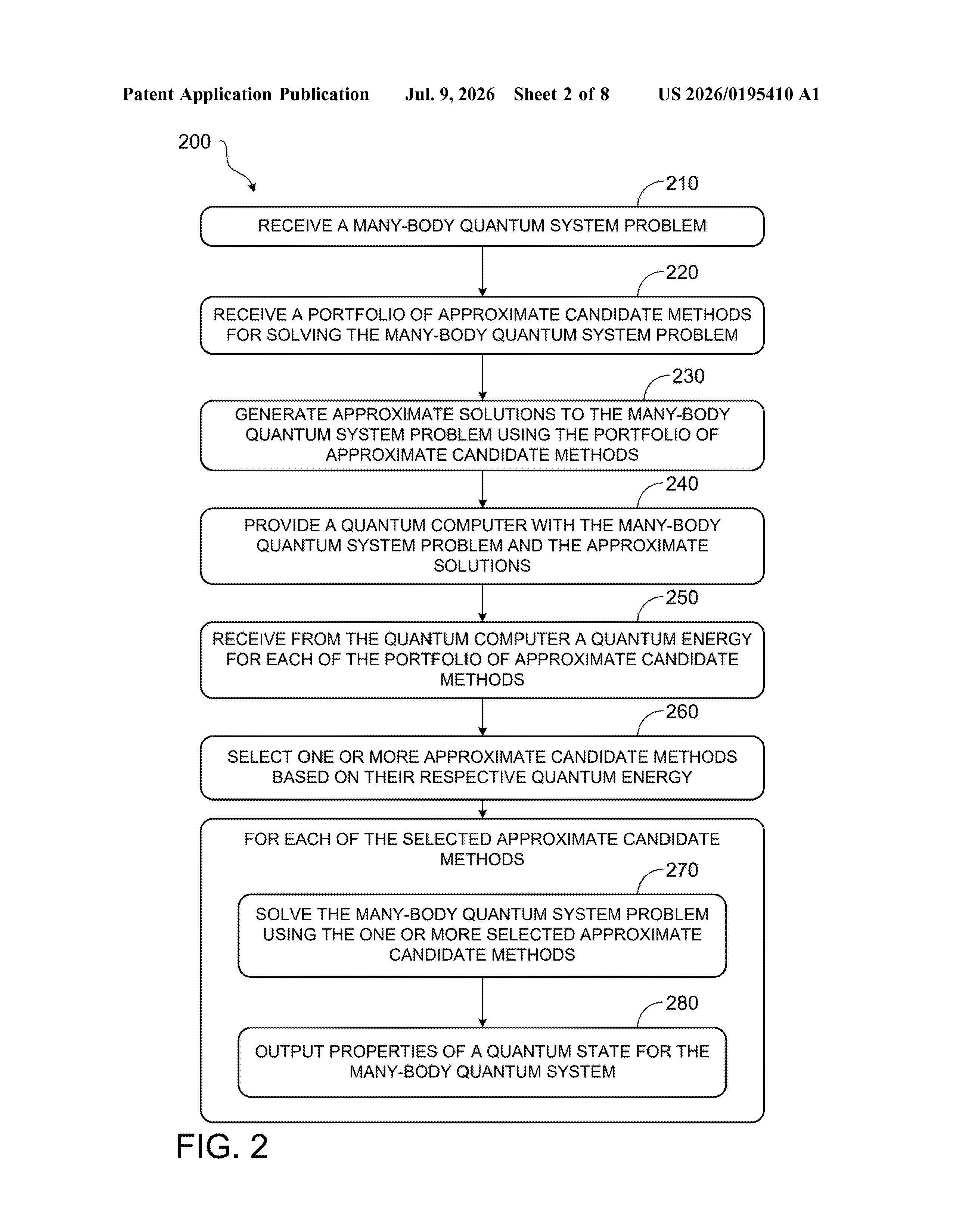
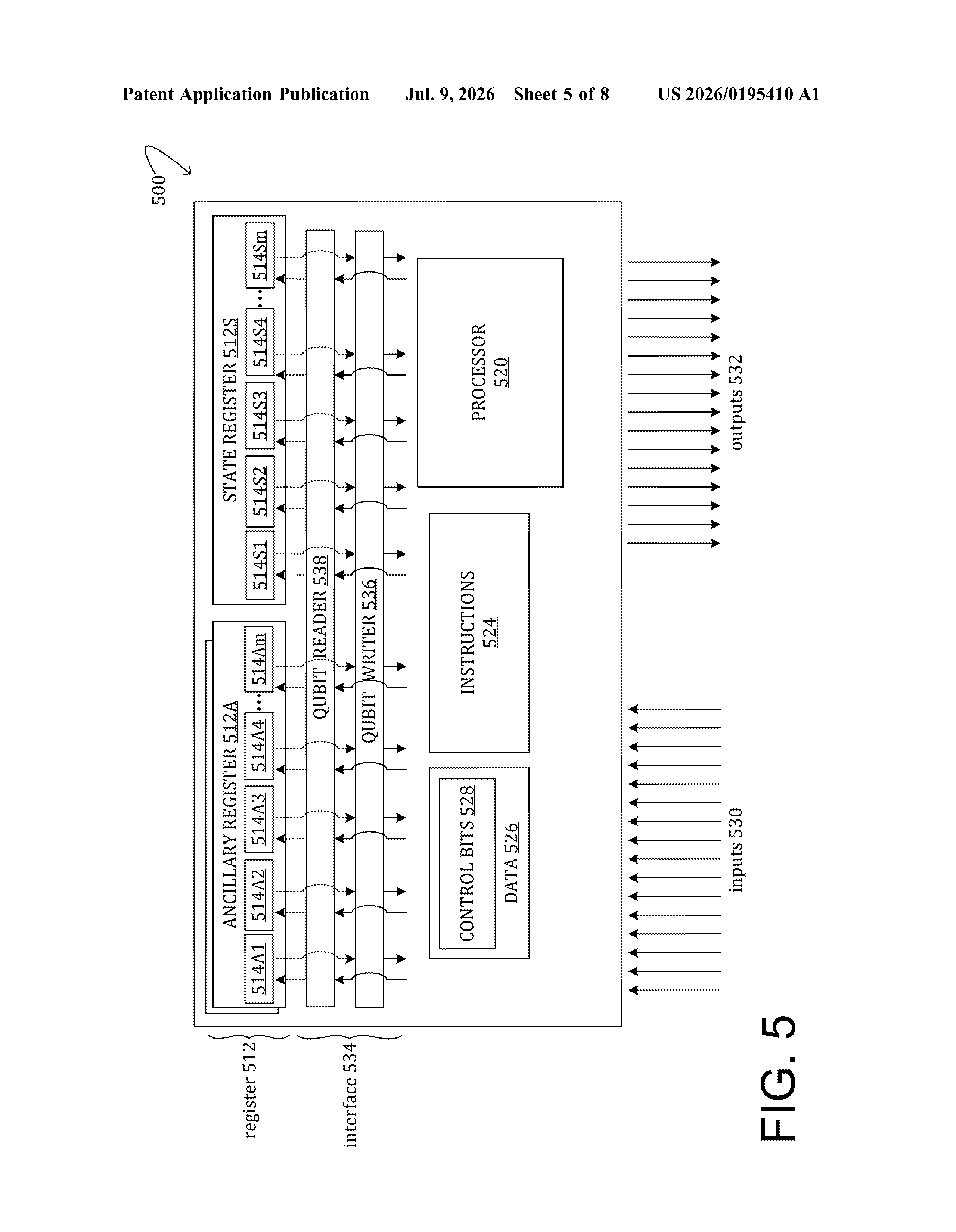
The patent describes a hybrid classical-quantum algorithm pipeline built around a concept called a "portfolio" of solvers. Instead of committing to one mathematical technique upfront, the system runs multiple approximate candidate methods simultaneously on a classical computer. Think of these as different recipe variations all cooked in parallel.
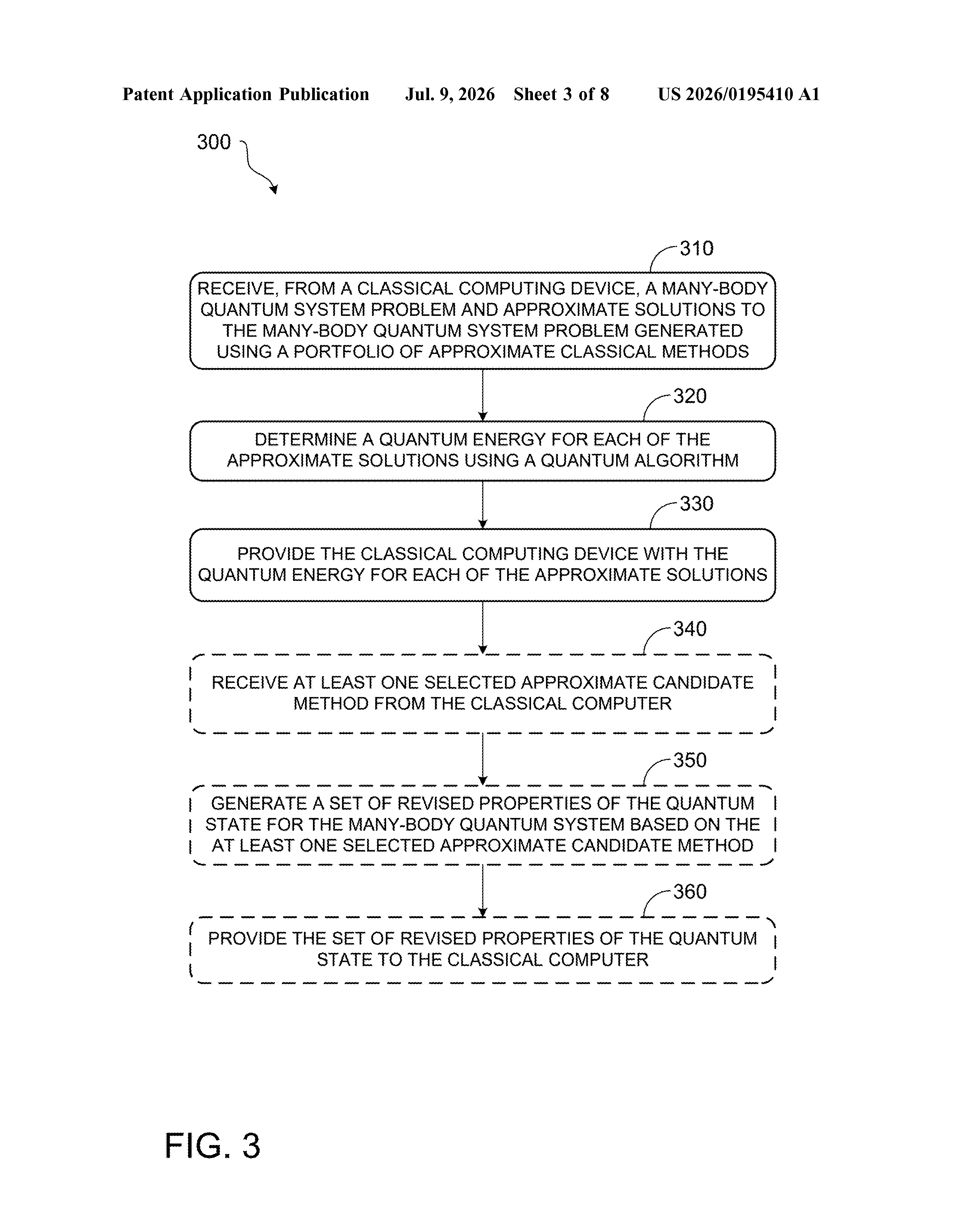
Each of those approximate solutions is then passed to a quantum computing device, which evaluates the quantum energy of each one. In quantum mechanics, a lower energy state corresponds to a more physically accurate description of a system, so energy becomes a reliable scoring metric without needing an external judge.
Based on those energy scores, the classical computer selects the best-performing method (or methods) and uses them to produce a final, higher-quality solution. The output is a description of properties of the quantum state, things like electron density or magnetic behavior, that researchers actually need.
- Classical device generates multiple approximate solutions
- Quantum device scores each by measuring its energy
- Best-scoring method is selected and used to solve the full problem
- Final quantum-state properties are returned to the user
What this means for quantum computing's near-term value
Most near-term quantum computers are too error-prone to solve big problems entirely on their own. This architecture sidesteps that limitation by using the quantum device for a narrow, high-value task (energy scoring) while the classical machine handles the heavy lifting. That's a realistic way to get useful work out of today's hardware.
The patent is most relevant to materials science, drug discovery, and chemistry, fields where modeling how electrons interact in molecules is notoriously difficult for classical computers alone. If this approach works at scale, it could make quantum hardware genuinely useful years before fault-tolerant quantum computers exist.
This is a methodologically interesting patent from a team that includes Matthias Troyer and Chetan Nayak, two of the most credible names in quantum computing research. The idea of using quantum energy as a selection signal for classical solvers is clever and grounded in real physics, not just a theoretical curiosity. Whether Microsoft can implement it on hardware that delivers a real advantage over purely classical approaches is the open question, but the design itself is worth taking seriously.
Get our take in your Top Stories
Liked this breakdown? Add Patentlyze as a preferred source on Google, and our plain-English take shows up more often in your Top Stories the next time Microsoft patent news breaks.
There are more where this came from
We read every patent application Big Tech publishes and send you the ones worth knowing. Plain English, free, every week.
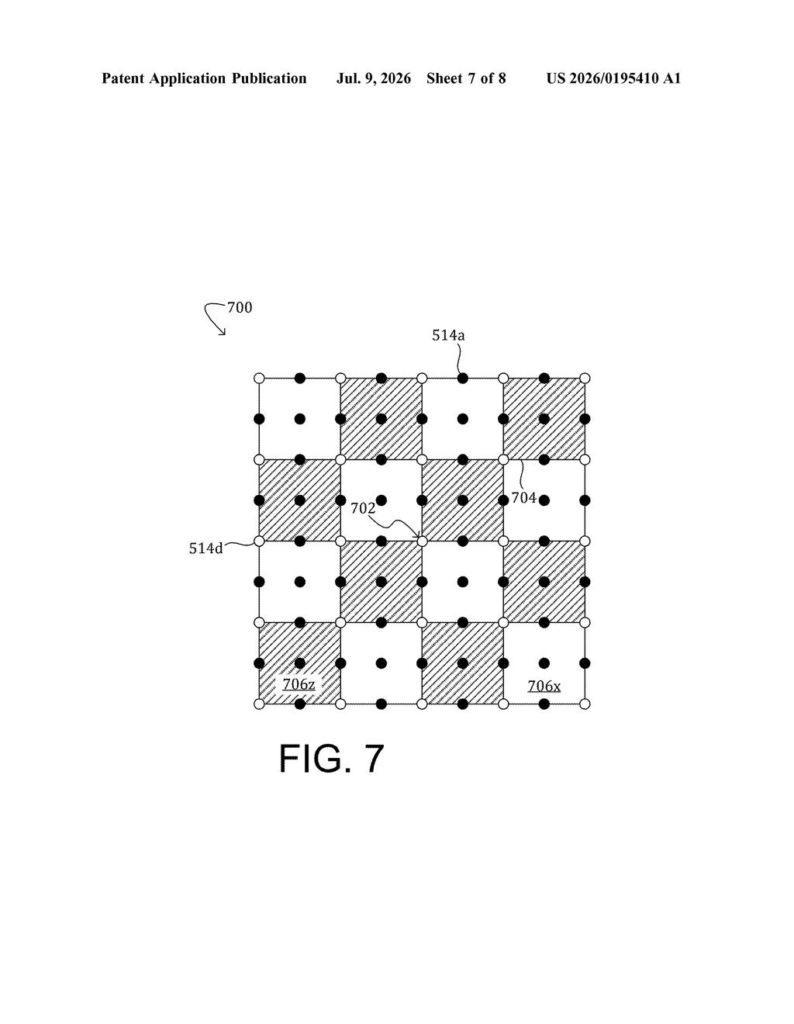
The drawings
8 drawing sheets from US 2026/0195410 A1 · click any drawing to enlarge
Want this weekly breakdown for a company we don't cover? Patentlyze Pro →