
OpenAI Patents a System for Scheduling Tasks Through ChatGPT Automatically
You tell ChatGPT to send you a summary every Monday morning, and it just... does it. No app setup, no reminder, no follow-up. That's the core idea behind this OpenAI patent.
What OpenAI's scheduled AI tasks actually do
Imagine asking your AI assistant to remind you of something tonight, draft a weekly report every Friday, or check in on a task three days from now. Right now, you'd need a separate calendar app or automation tool to pull that off. OpenAI's new patent describes a system that handles all of that inside the conversation itself.
The way it works is fairly direct: you type a request that includes a future time element, like "send me this summary tomorrow morning." The system recognizes that timing component, schedules the task behind the scenes, and then carries it out at the right moment, no action required from you.
The response gets added back to your conversation thread when it's done, so you see it in context, not in some separate notification inbox. Think of it as giving your AI assistant a to-do list with deadlines, and trusting it to follow through.
How the automations engine handles timing and prompts
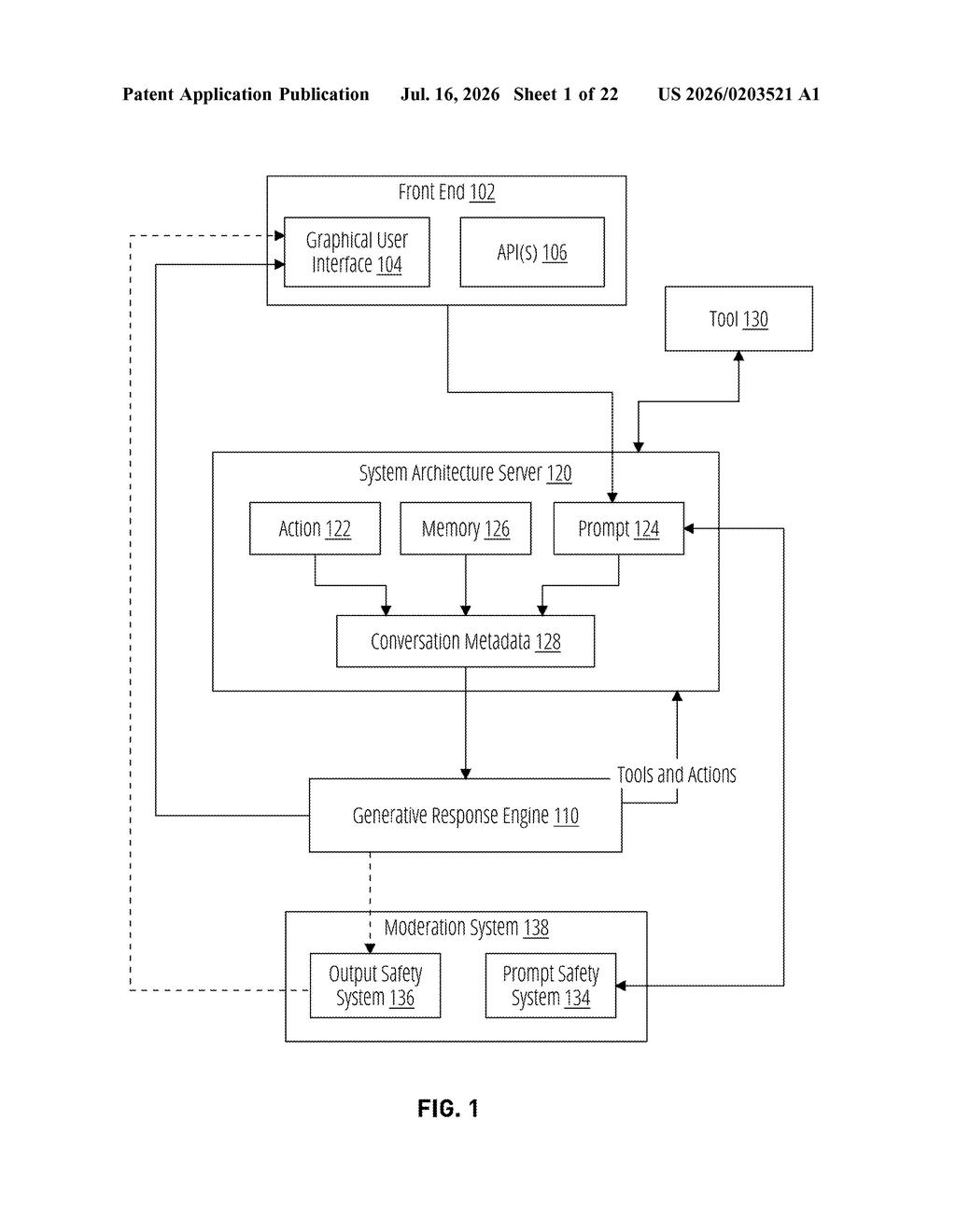
The patent describes a three-part architecture that sits on top of a language model like ChatGPT.
- The automations engine reads your prompt and identifies two things: what action you want done, and when you want it done. These are called the "action component" and "temporal component" of your request.
- The scheduler stores a future execution time and watches the clock. When that moment arrives, it fires a signal to trigger the action.
- The delegated prompt system then sends your original request to the language model as if you typed it yourself at that future time, collects the response, and attaches it to your ongoing conversation thread.
That last part is interesting: the system acts as your delegate, impersonating your account to prompt the AI on your behalf. The result gets stitched back into the original chat, keeping everything in one place rather than scattered across notifications or emails.
The patent covers both the scheduling logic and the conversation-threading mechanics, which suggests OpenAI is thinking carefully about how automated responses fit into an ongoing, human-readable chat history.
What this means for AI assistants as daily tools
Most AI assistants today are purely reactive: you ask, they answer, and then nothing happens until you come back. Scheduled automations would shift ChatGPT (or any OpenAI product built on this) toward something closer to a proactive personal assistant, one that follows through on tasks without being nudged. That's a meaningful change in how people relate to these tools day-to-day.
It also puts OpenAI in more direct competition with workflow automation tools like Zapier or Apple's Shortcuts, which currently require a lot more manual setup to do what this patent describes in plain conversation. If you can just tell your AI what to do and when, the barrier to automating routine tasks drops considerably for people who would never configure a traditional automation tool.
This is one of the more practically useful AI patents filed recently, because it solves a real gap that anyone who uses ChatGPT regularly has probably bumped into. The engineering is not especially exotic, but the product thinking is sharp: making time-based tasks feel like natural conversation rather than a separate workflow is exactly the kind of polish that turns a novelty into a daily habit.
Get our take in your Top Stories
Liked this breakdown? Add Patentlyze as a preferred source on Google, and our plain-English take shows up more often in your Top Stories the next time OpenAI patent news breaks.
There are more where this came from
We read every patent application Big Tech publishes and send you the ones worth knowing. Plain English, free, every week.
Want this weekly breakdown for a company we don't cover? Patentlyze Pro →