
OpenAI Patents Technology Letting AI Act as a Personal Delegate for Users
OpenAI is patenting a way for its AI to not just answer your questions, but actually stand in for you, taking actions, scheduling tasks, and holding conversations with other systems on your behalf.
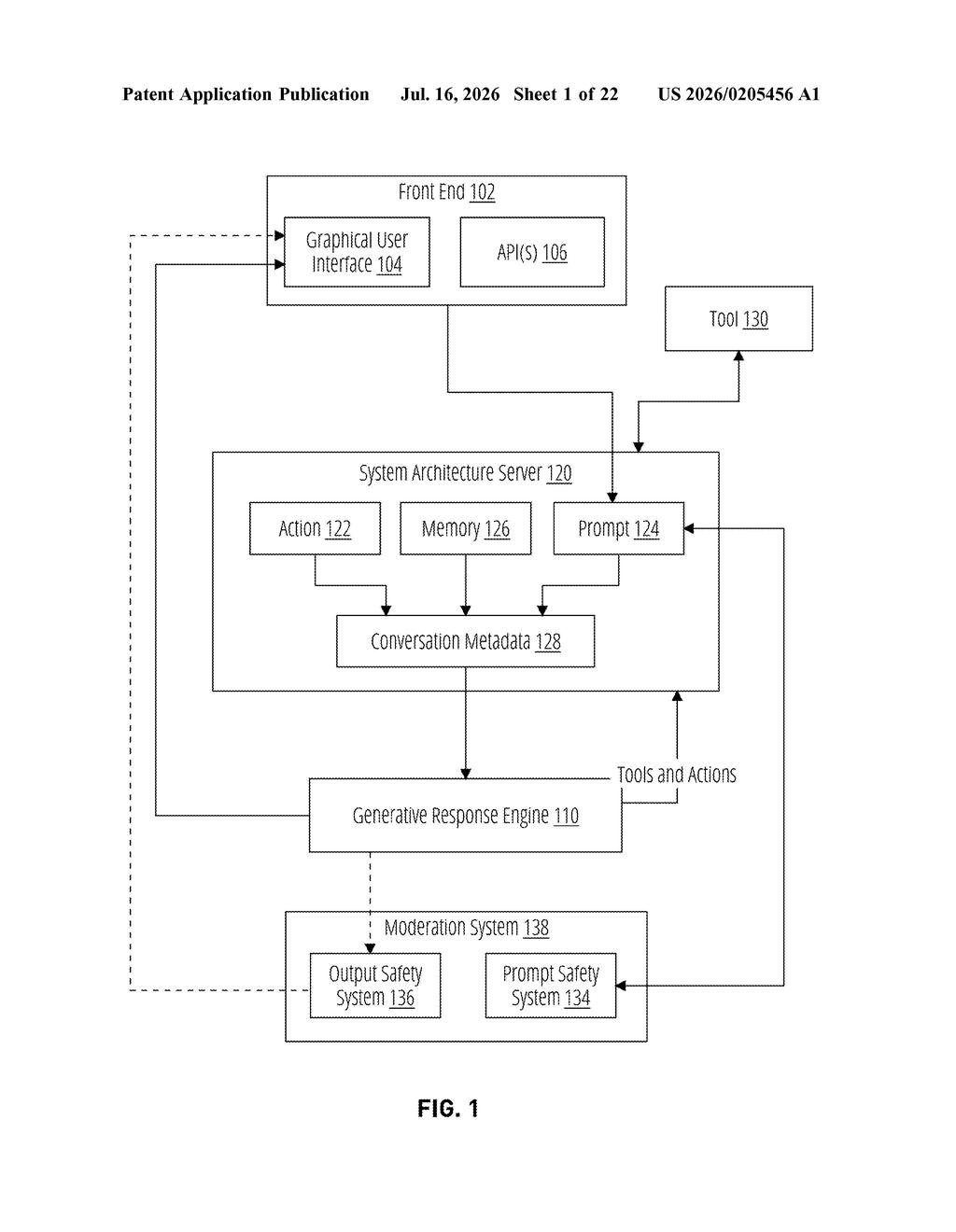
What OpenAI's AI delegate system actually does
Imagine telling your AI assistant: 'Every Monday morning, check my calendar, draft a summary of the week's meetings, and send it to my notes app.' Right now, most AI tools need you to be there, typing each step yourself. This patent describes a system where the AI can act as your authorized delegate, stepping in and doing those things for you, automatically, at the right time.
The way it works: you give the AI a set of instructions once, including when to act. The system stores those instructions and waits. When the right moment arrives, a piece of the AI called the 'delegate engine' wakes up and carries out your request, including talking to other apps or even other AI models, all in your name.
Think of it like giving a trusted assistant a power of attorney for a specific task. You've authorized them in advance; they act when the time comes; the result comes back to you. OpenAI's patent covers the authorization layer that makes this feel accountable rather than just autonomous.
How the delegate engine takes over your conversational role
The patent describes a generative response system with two internal components working together:
- The delegate engine: a module that holds your identity and authorization credentials. When an automation trigger fires, it steps into the 'user seat' of a conversation and sends prompts on your behalf.
- The generative response engine: the standard AI model that actually generates answers. From its perspective, it's just responding to a user, except that user is the delegate engine acting for you.
The process starts when you give the system a prompt that includes both a task (what to do) and a temporal component (when to do it, or what event should trigger it). The system parses these into a 'scheduling instruction' and a 'delayed action,' then waits for the trigger event.
When the event fires, say, a specific time, a calendar entry, or a notification from another app, the delegate engine takes over. It can send prompts to the AI on your behalf, interact with external apps and APIs (application programming interfaces, the connectors between software systems), or represent you in multi-step automated workflows. The responses come back addressed to your account, as if you had been the one asking all along.
What this means for AI automation and user trust
For everyday users, this is the difference between an AI that answers questions and one that actually gets things done while you're not watching. Scheduled automations, proactive tasks, and multi-app workflows become possible without you having to babysit each step. If this shows up in ChatGPT or a future OpenAI product, it would move the experience closer to a genuine personal assistant than a chat window.
The more interesting wrinkle is the authorization layer. OpenAI is explicitly patenting the mechanism by which a system proves it's allowed to act as you, not just that it can act. That framing matters a lot in a world where AI agents interacting with banks, email, or third-party services on someone's behalf will face real scrutiny over accountability and consent.
This is one of the more consequential AI patents OpenAI has filed, because it addresses a real structural problem: AI agents need a formal way to prove they have permission to act as users, not just assume it. The 'delegate engine' framing is doing serious work here, and if the authorization mechanism holds up technically and legally, it could become a template for how the whole industry handles AI-driven task automation.
Get our take in your Top Stories
Liked this breakdown? Add Patentlyze as a preferred source on Google, and our plain-English take shows up more often in your Top Stories the next time OpenAI patent news breaks.
There are more where this came from
We read every patent application Big Tech publishes and send you the ones worth knowing. Plain English, free, every week.
Want this weekly breakdown for a company we don't cover? Patentlyze Pro →