
Google Patent Automates Navigation to Specific Content Across Different Apps
Every time you tap a link that's supposed to open inside an app and end up staring at the app's home screen instead, you've run into the deep-link problem. Google's new patent describes a way for the phone itself to do the tapping for you.
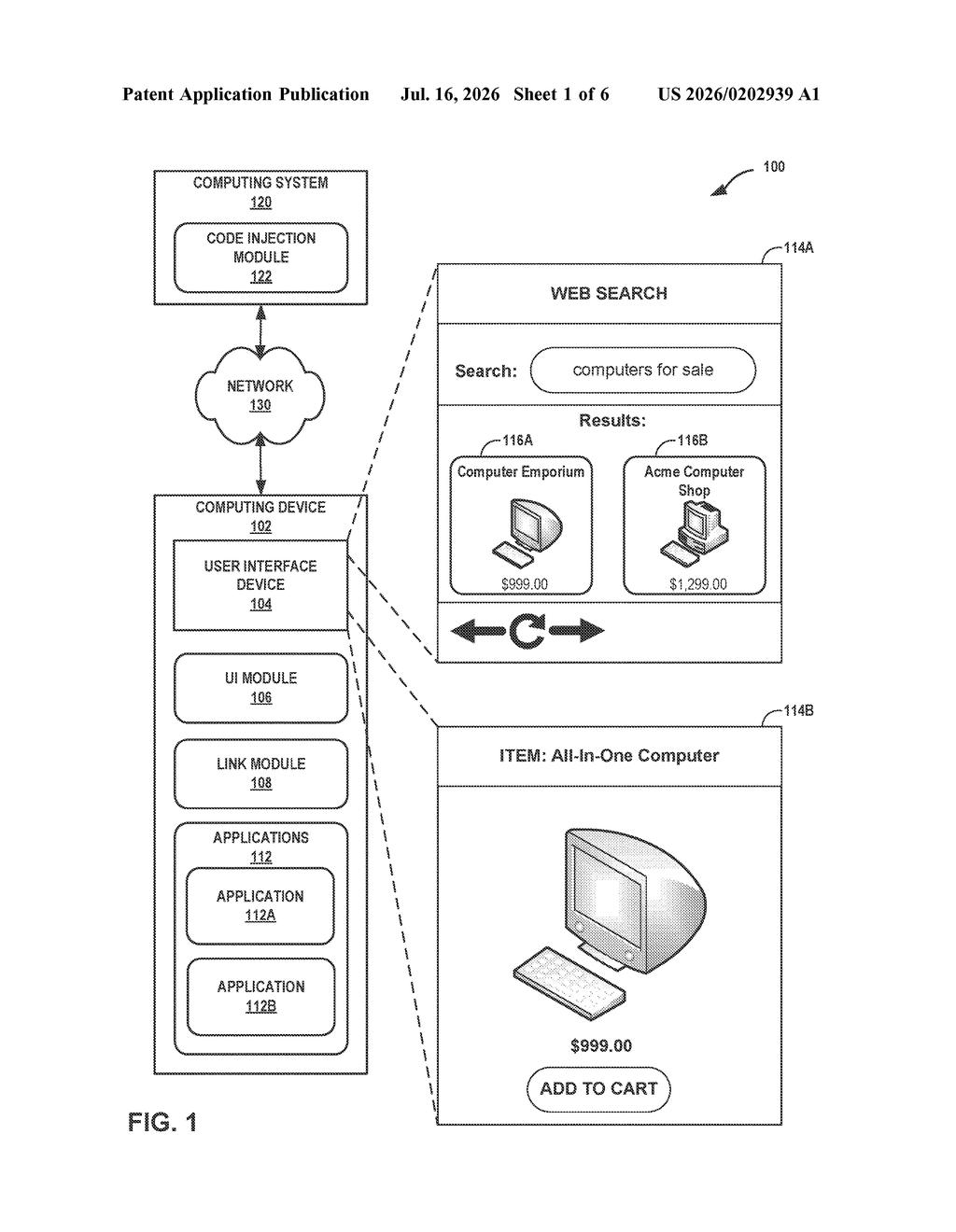
What Google's automatic in-app navigation actually does
Imagine you tap a link in an email that's supposed to take you to a specific product inside a shopping app. Instead of landing on that product's page, the app just opens to its home screen and you have to hunt around manually. That's a common and genuinely frustrating experience.
Google's patent describes a system where the phone figures out the exact sequence of taps and swipes needed to reach that specific content inside the destination app, then performs those actions automatically, without you lifting a finger. Think of it like the phone running a little invisible script on your behalf.
The idea is that the link itself carries the destination, and if the app doesn't support a direct shortcut to that destination, the device fills in the gap by simulating the navigation steps a human would take.
How the system replays gestures to reach deep content
When one app generates a deep link (a URL-style address pointing to specific content inside another app, like a particular hotel listing or a specific song), the operating system normally hands that link to the destination app and hopes the app knows what to do with it. Many apps don't handle every possible deep link correctly, which causes the frustrating drop-to-home-screen behavior.
This patent proposes a different approach. The device determines
- Which app should handle the link
- What specific content inside that app the link points to
- What sequence of user interface interactions (taps, swipes, form entries) would get a human to that content
It then executes those interactions automatically, without any input from the user. The system is essentially replaying a recorded or computed navigation path through the app's interface.
The claim language is broad: "one or more interactions with a user interface" covers anything from a single tap to a multi-step navigation flow. The patent doesn't specify exactly how the device learns or calculates those interaction sequences, which leaves room for several implementation approaches including pre-mapped paths or on-the-fly reasoning.
What this means for Android app-to-app linking
For everyday Android users, this could mean links that actually land where they're supposed to, even when the destination app hasn't been perfectly set up to receive them. It's a fix to one of the more persistently annoying parts of using a smartphone, the gap between where a link promises to take you and where you actually end up.
For Google, the strategic angle is tighter control over the app-to-app experience on Android. A system that can navigate any app's UI automatically is also a foundation for broader automation, the kind of thing that feeds into Google's ongoing work on on-device AI agents that can operate apps on your behalf.
This is a genuinely useful idea solving a real, widely-felt problem, and the implementation concept is clever. That said, the first independent claim is listed as canceled, which is a notable red flag: it suggests the application may have run into examination trouble or is being significantly revised. Worth watching if the claims survive, but don't count this as settled technology yet.
Get our take in your Top Stories
Liked this breakdown? Add Patentlyze as a preferred source on Google, and our plain-English take shows up more often in your Top Stories the next time Google patent news breaks.
There are more where this came from
We read every patent application Big Tech publishes and send you the ones worth knowing. Plain English, free, every week.
Want this weekly breakdown for a company we don't cover? Patentlyze Pro →