
Samsung's New Patent Lets You Search What You See in a Video Without Typing
You're watching a video and spot something you want to look up. Samsung is patenting a system that figures out what's on screen at that moment and builds the search query for you automatically.
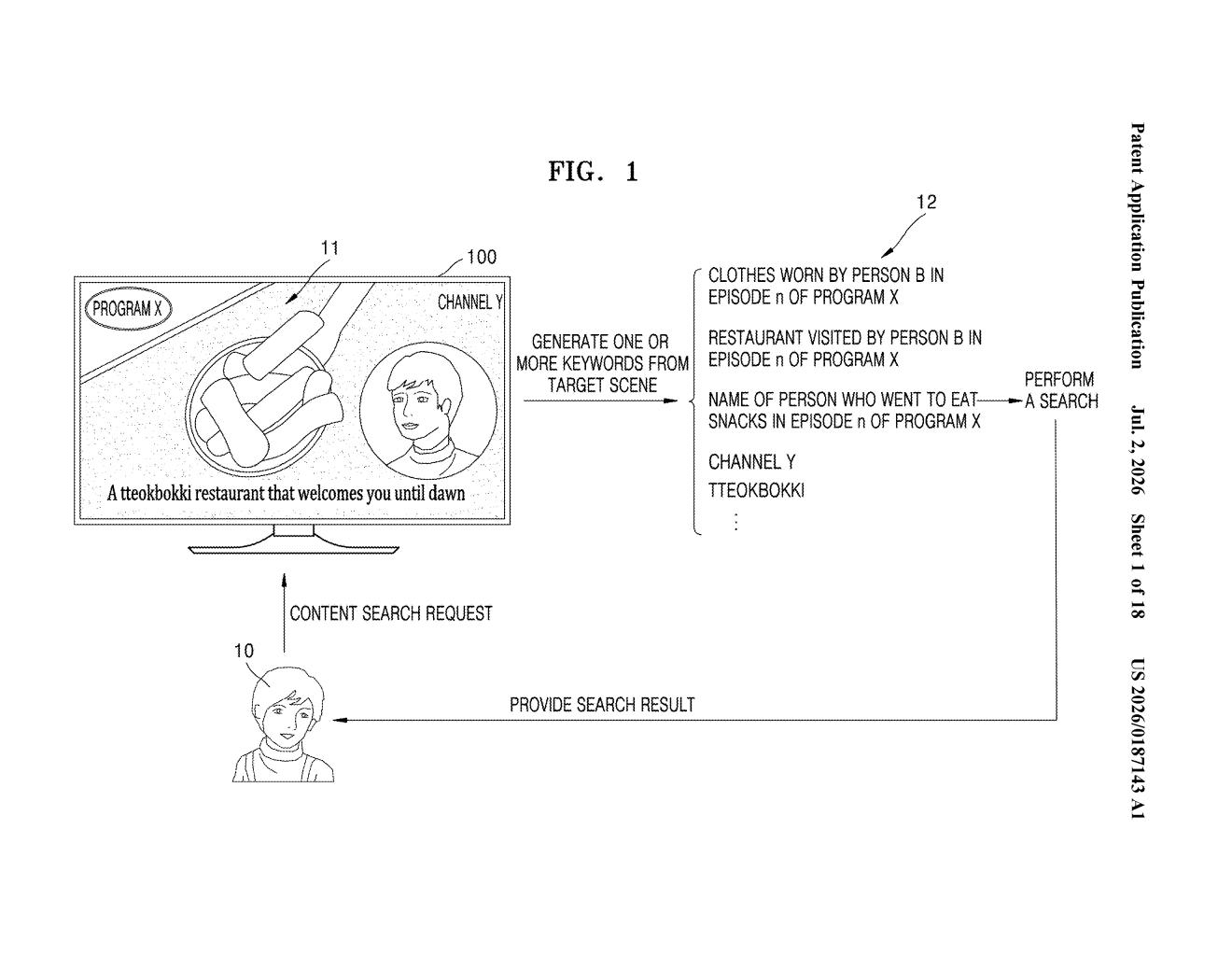
What Samsung's video-to-search keyword system actually does
Imagine you're watching a cooking video and the host briefly holds up an ingredient you don't recognize. Right now, you'd have to pause, mentally note the timestamp, open a browser, and try to describe what you saw. Samsung's patent describes a device that does that work for you.
When you ask the device to search for something in a video you're watching, it identifies the specific scene that matches your request, pulls together information about that scene and the video overall, and then builds one or more search keywords on your behalf. It even runs the first search automatically and shows you the results right away.
The result is a search panel that appears on your display, already populated with a relevant keyword and a result, with other keyword options available so you can refine from there. Think of it as the device reading the room, or in this case, the frame.
How the device picks a scene and builds a search keyword
The patent describes a pipeline that connects video playback to a search engine in real time. When a user asks to search for content from a video, the device does not simply pass the full video title to a search bar.
Instead, it goes through several steps:
- Scene identification: It pinpoints which specific scene in the video the user is interested in, rather than treating the whole clip as one block.
- Metadata collection: It gathers structured data about the video (things like title, description, tags, timestamps, captions) to give the system context.
- Scene information extraction: It pulls out details that represent that particular scene, which could include visual content, spoken words, or on-screen text.
- Keyword generation: It combines the broader video metadata with the scene-specific details to produce one or more targeted search keywords.
The device then fires off a search using the top keyword automatically, and a dedicated keyword search UI (a search panel on screen) shows the result alongside other keyword options the user can tap to explore further.
The claim is intentionally broad, covering any electronic device, which means it could apply to a smart TV, a Galaxy phone, or a tablet.
What this means for Samsung TV and Galaxy device users
For Samsung TV or Galaxy device owners, this could make the second-screen habit feel a lot less clunky. Right now, identifying a product, location, or person you see in a video usually means reaching for your phone and typing out a rough description from memory. A system that extracts the keyword automatically from the exact moment you cared about is a real reduction in friction.
From a strategic angle, this positions Samsung's devices as a bridge between passive video watching and active browsing, which is exactly the kind of sticky feature that keeps users inside a Samsung ecosystem rather than jumping to a separate device or app. It also opens a door toward commerce: an auto-generated search for a jacket you saw on screen is a very short path to a product listing.
This is a practical, user-facing idea with real appeal, especially on Samsung's large-screen TVs where typing a search query is already a chore. The core concept is not wildly original (second-screen search has been a talked-about feature space for years), but packaging it as an on-device, scene-aware keyword generator that auto-fires a search is a more complete implementation than what most platforms offer today. Worth watching when Samsung's next TV software update rolls around.
Get our take in your Top Stories
Liked this breakdown? Add Patentlyze as a preferred source on Google, and our plain-English take shows up more often in your Top Stories the next time Samsung patent news breaks.
There are more where this came from
We read every patent application Big Tech publishes and send you the ones worth knowing. Plain English, free, every week.
Want this weekly breakdown for a company we don't cover? Patentlyze Pro →