
Qualcomm Files Patent for Graphics Code That Adjusts Itself on Phones
Qualcomm is patenting a system that lets its graphics processors swap out how a program runs mid-execution, rather than committing to a fixed plan from the start. The idea is that flexibility at the hardware level could translate to better performance in the graphics workloads that power your phone's games and apps.
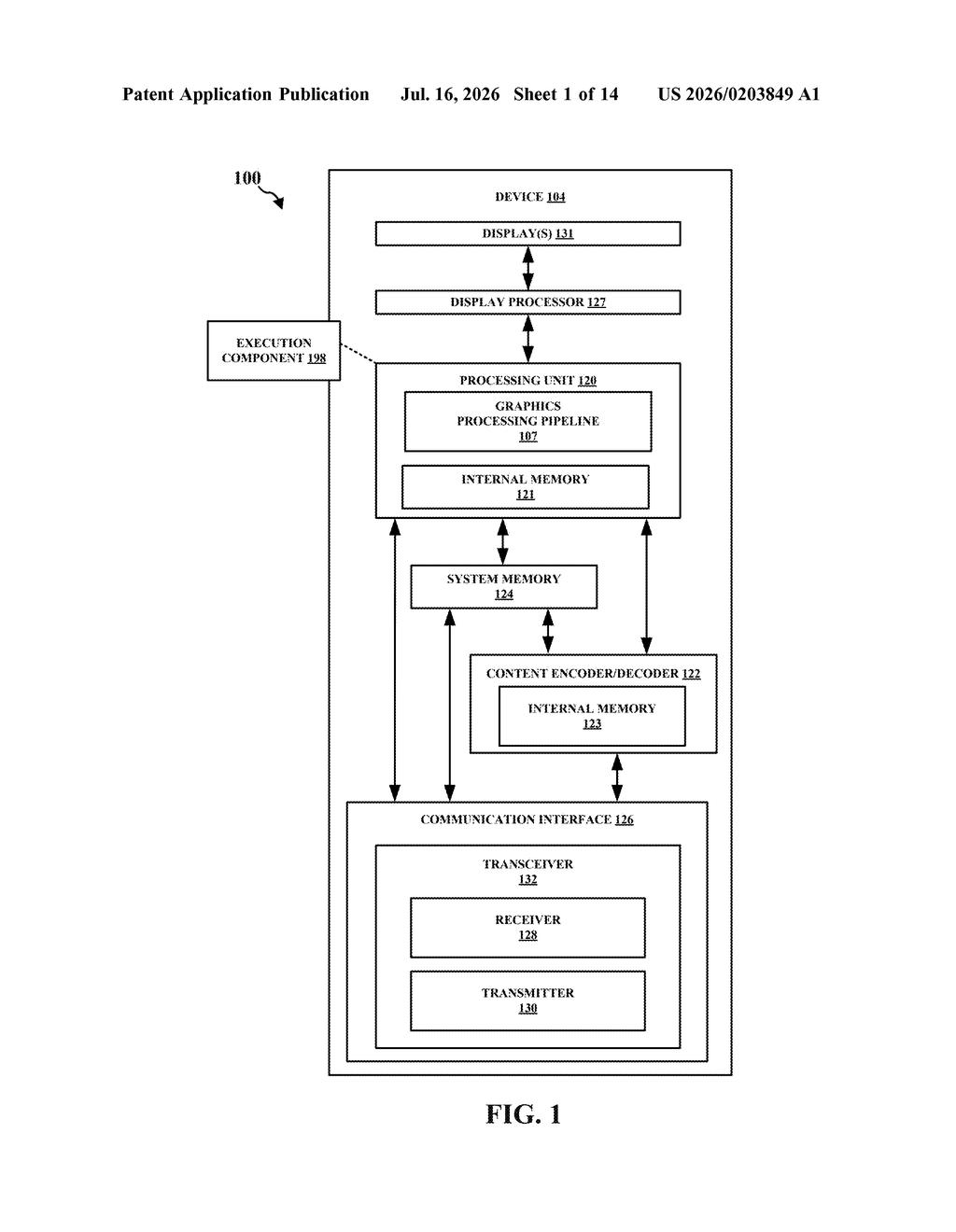
What Qualcomm's shader execution update actually does
Imagine your GPS navigation app rerouting you while you drive, instead of forcing you to stick with a route it calculated before you left home. Qualcomm's patent describes something similar for graphics chips: instead of locking a graphics program into one way of running, the processor can switch to a different approach partway through.
When your phone renders a game frame or processes a visual effect, tiny programs called shaders do most of the heavy lifting. Normally, the chip decides how to run a shader before it starts. This patent describes a way for the chip to start with one plan and then swap in an updated plan based on what it learns along the way.
The practical promise is more efficient use of the GPU, which could mean better frame rates or lower power draw in graphics-heavy tasks. The catch: the patent is written very broadly, so it's hard to know exactly what the final implementation would look like.
How the GPU swaps one execution plan for another
The patent describes a graphics processor that can obtain an initial plan for executing a shader program, then determine a different, updated plan and switch to it before or during execution.
In GPU terms, a shader is a small program that runs thousands of times in parallel to compute things like lighting, shadows, or pixel colors. Traditionally, the way a shader runs (how threads are grouped, how memory is accessed, how work is scheduled) is fixed at compile time or driver setup. This patent suggests the hardware or driver could observe conditions and substitute a different execution strategy on the fly.
The claim language is intentionally broad:
- Obtain an initial representation of how a program should execute
- Determine an updated representation that differs from the initial one
- Output the updated representation so the GPU acts on it
What triggers the update, and what exactly changes, isn't specified in the claim itself. The abstract hints at a graphics processor doing this internally, which could mean anything from recompiling shader variants to switching thread scheduling modes based on workload feedback.
What this means for Snapdragon graphics performance
Qualcomm's Snapdragon chips power a huge share of Android flagship phones, and GPU performance is a constant battleground against Apple's custom silicon. Any technique that lets the GPU adapt its execution strategy rather than commit upfront could improve performance per watt, which matters enormously on mobile where battery life is always a constraint.
That said, the patent as published is strikingly vague. The core claim essentially describes a processor that changes its mind about how to run a program, without specifying what changes or why. That breadth might be a deliberate legal strategy, but it makes it difficult to assess whether this represents a genuine technical innovation or a placeholder for something more specific that's still in development.
This patent reads like a broad placeholder rather than a fully-baked engineering disclosure. The core claim is so general it could describe almost any dynamic recompilation or shader variant system that already exists. Unless Qualcomm's subsequent filings fill in the technical specifics, this one is hard to get excited about.
There are more where this came from
We read every patent application Big Tech publishes and send you the ones worth knowing. Plain English, free, every week.
Want this weekly breakdown for a company we don't cover? Patentlyze Pro →