Qualcomm
Qualcomm · Chip · Filed Jan 6, 2025 · USPTO published Jul 9, 2026 · Jul 9 release
Qualcomm Patents a Memory Chip That Runs AI Calculations On Its Own
Every time your phone runs an AI task, data shuttles back and forth between memory and the processor dozens of times per second. Qualcomm's new patent wants to cut most of that travel out entirely by doing the math right inside the memory chip.
- Publication number
- US 2026/0195574 A1(US20260195574A1)
- Applicant
- QUALCOMM Incorporated
- Filed · Published
- Jan 6, 2025 · Jul 9, 2026
- Inventors
- Vardhana MRUTHYUNJAYA, Jian SHEN
- Status when we published
- Waiting for an examiner
- Document
- 20 claims
- US classification
- 706/15
What Qualcomm's compute-inside-memory idea actually does
Imagine your kitchen has a pantry, a prep area, and an oven. Normally, ingredients travel from the pantry to the prep area to the oven and back, over and over. Now imagine the pantry could do some of the cooking itself. That's roughly what Qualcomm is proposing here.
In AI, a processor constantly asks memory to hand over data, crunches numbers on it, then sends results back. That round-trip costs time and energy. Qualcomm's patent describes a memory chip that can read its own instructions and run certain AI calculations, called activation functions, without waiting for a separate processor to do it.
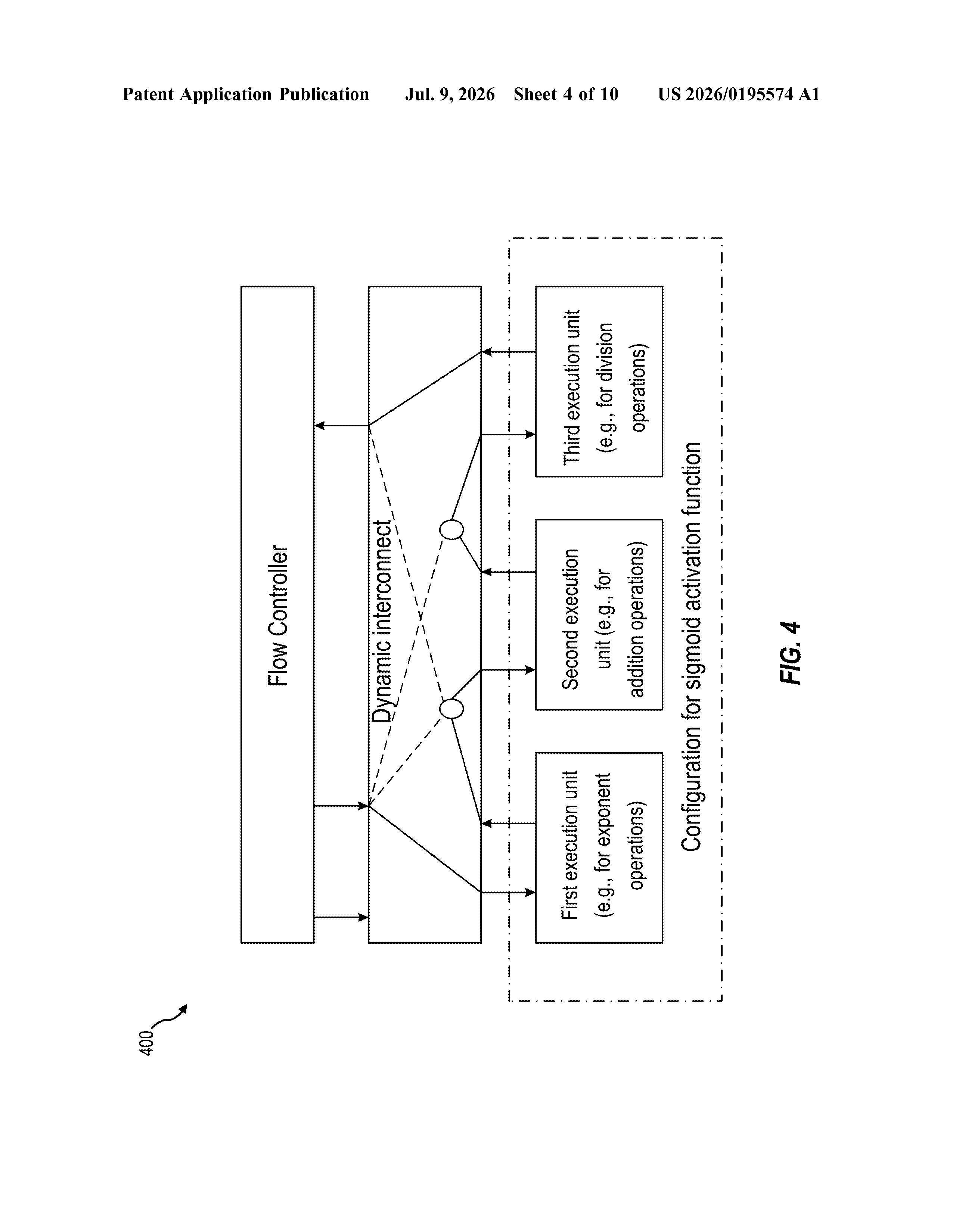
The memory chip has small, reconfigurable math units built in. When it receives a task, it figures out which type of calculation is needed and sets those units up accordingly. The idea is fewer trips, lower power use, and faster AI responses, especially on devices like phones or earbuds where battery life and heat are tight constraints.
How the chip decodes AI instructions without a processor
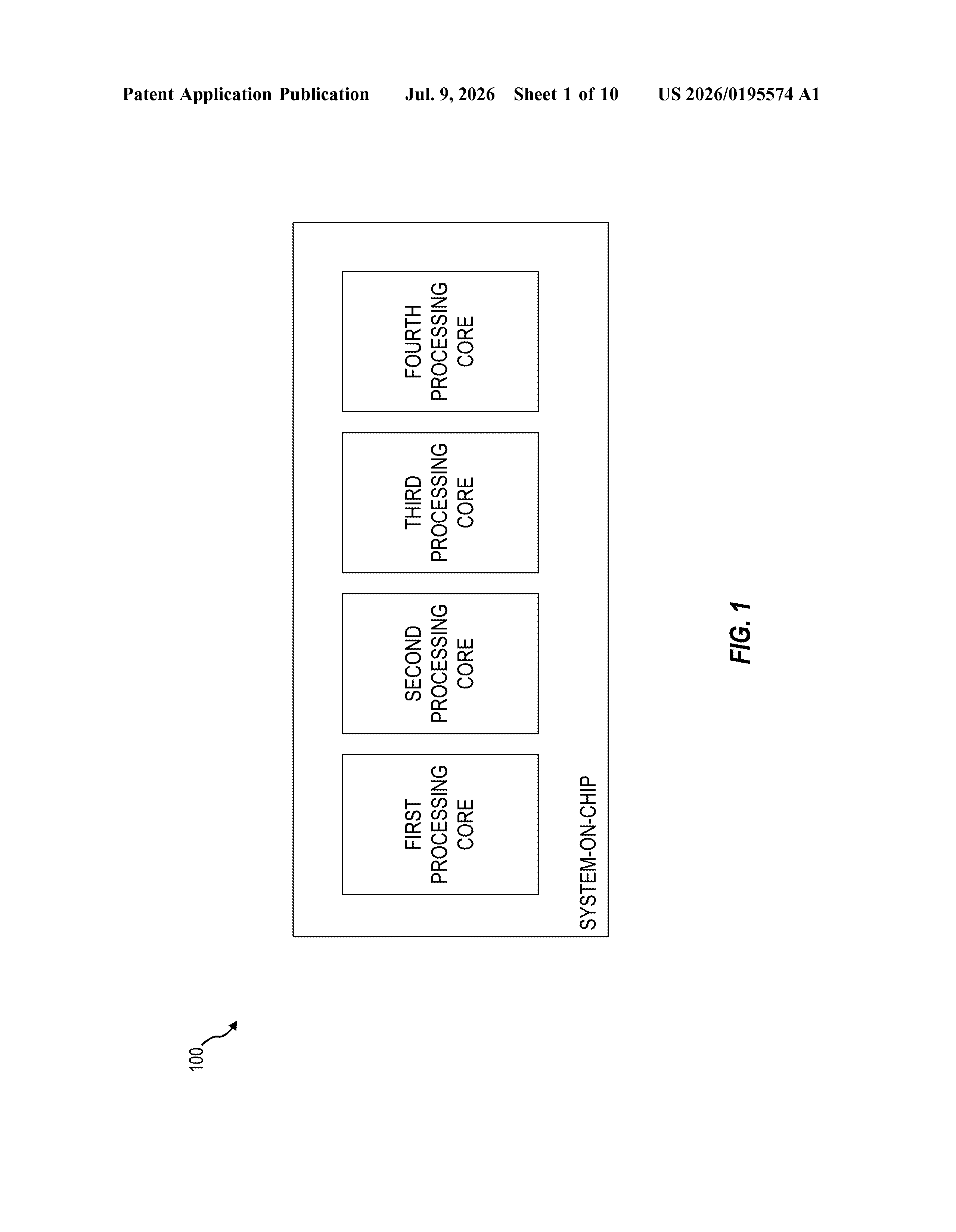
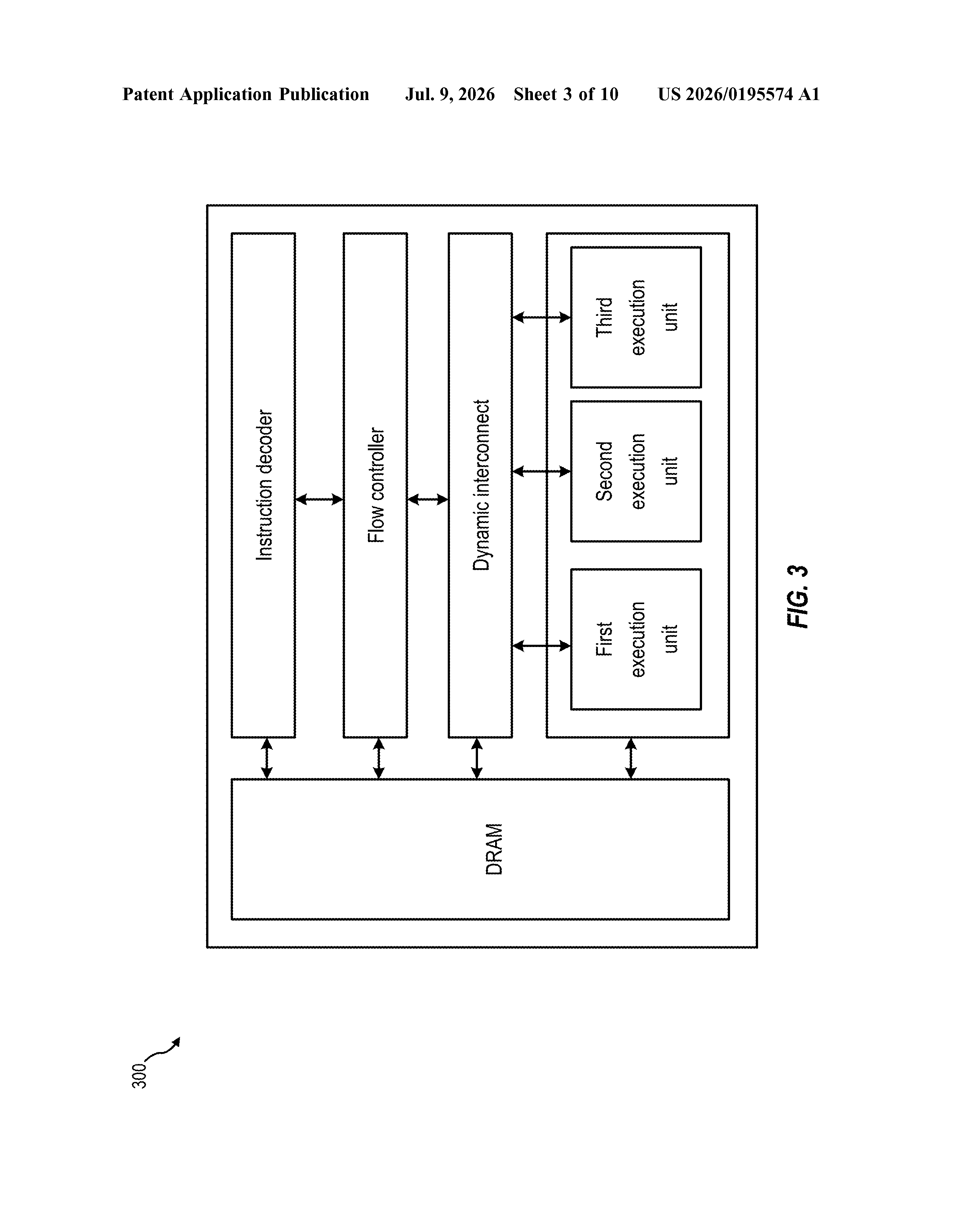
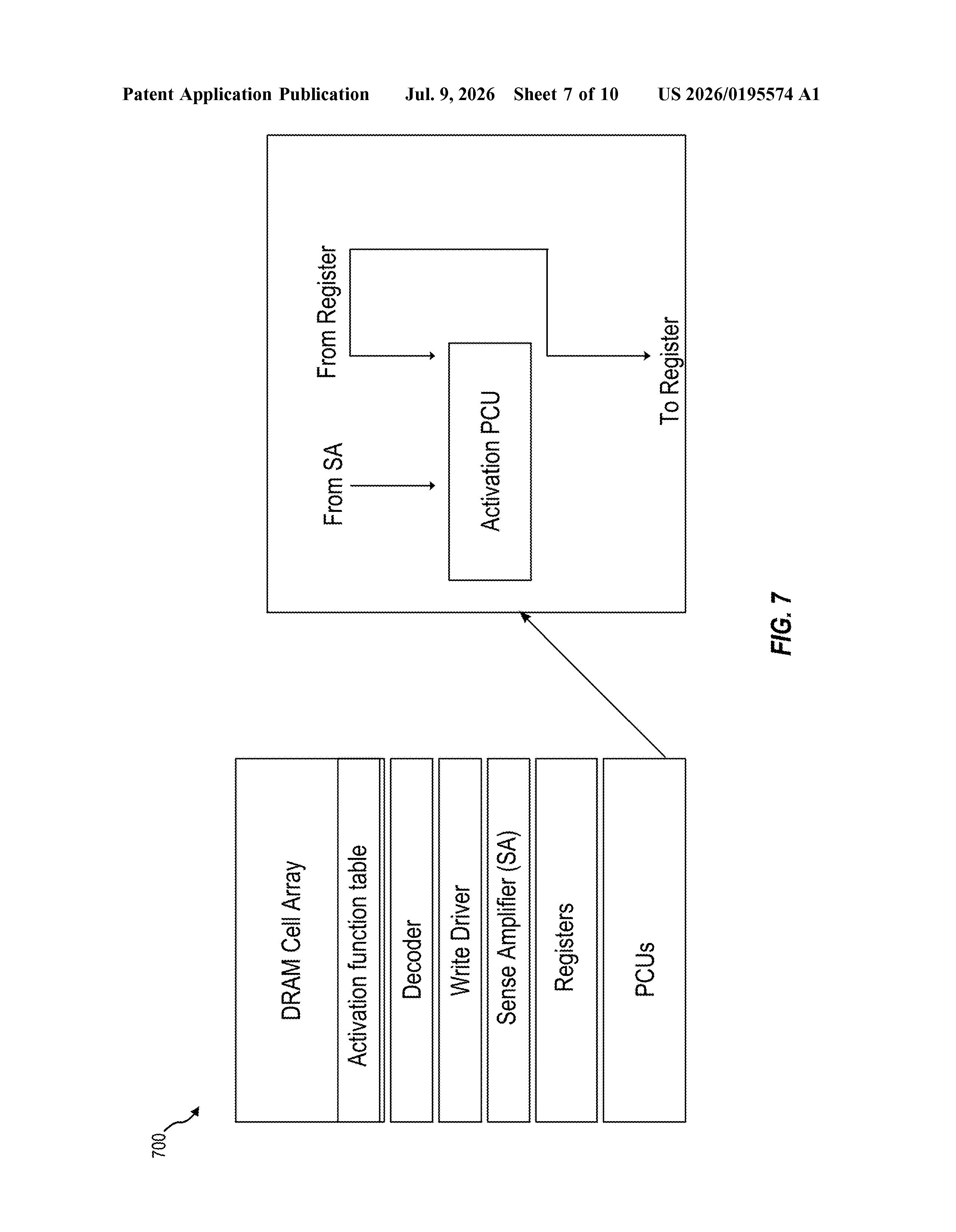
The patent describes a Processing in Memory (PIM) architecture, meaning computation hardware is embedded directly inside the memory chip rather than living in a separate processor.
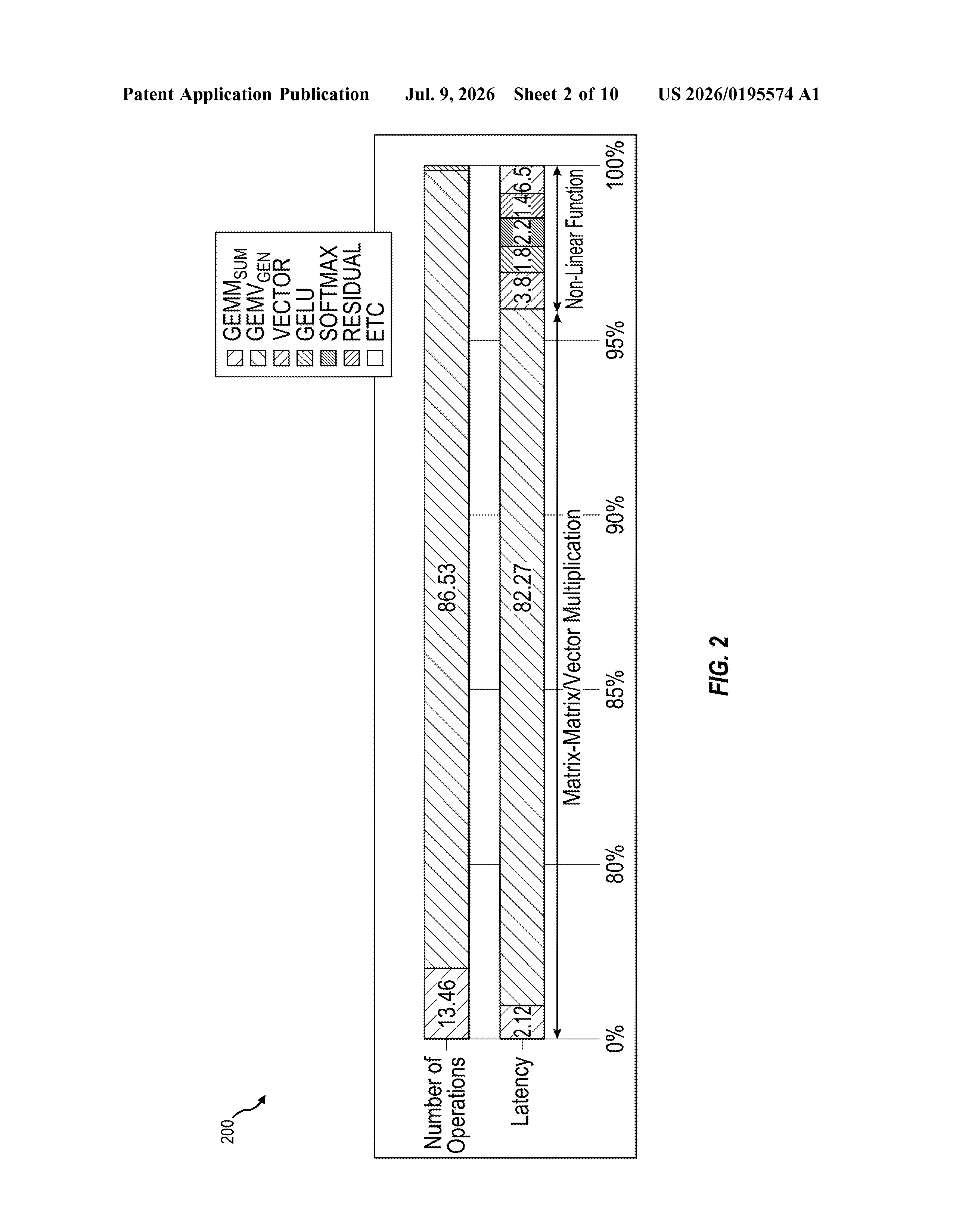
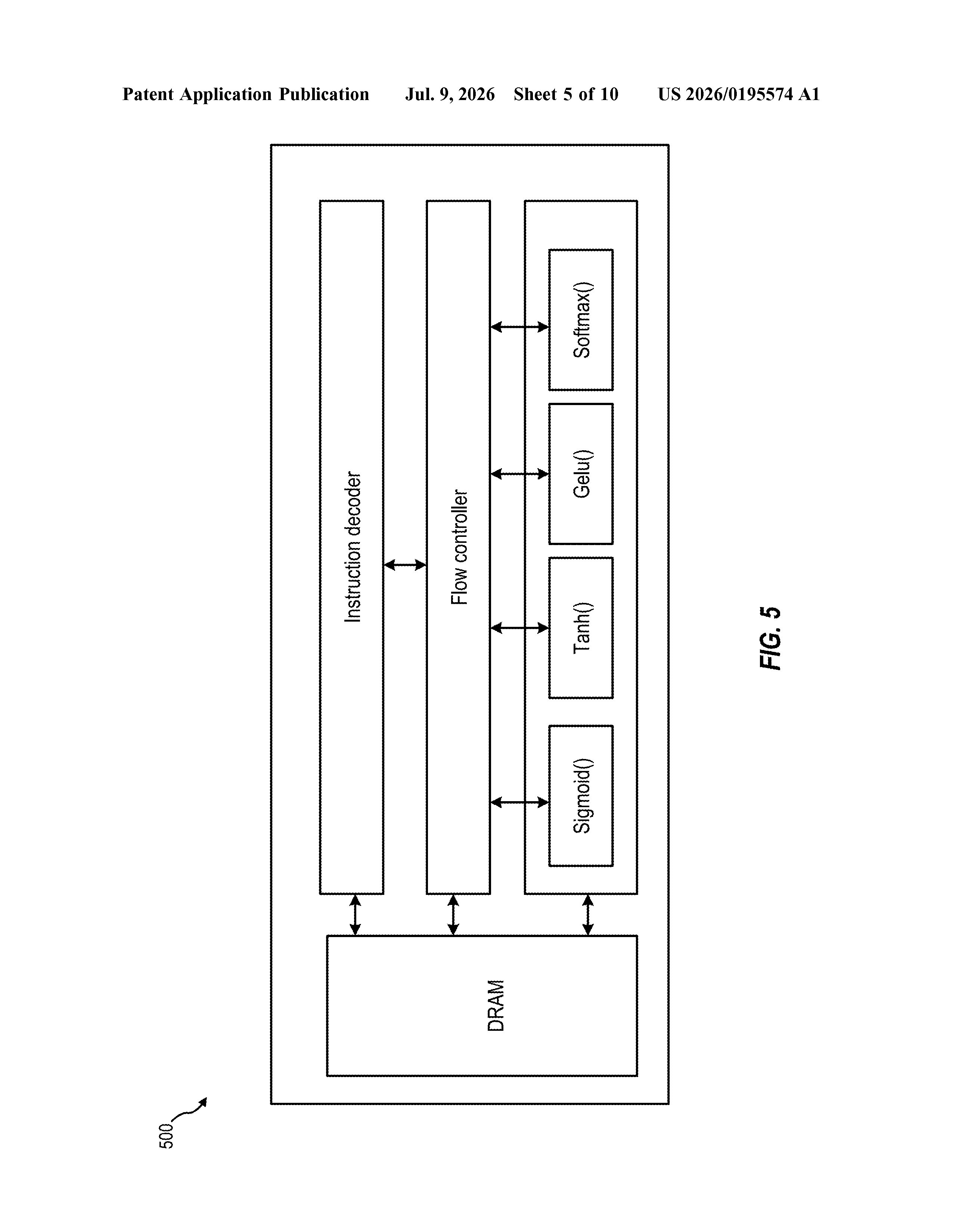
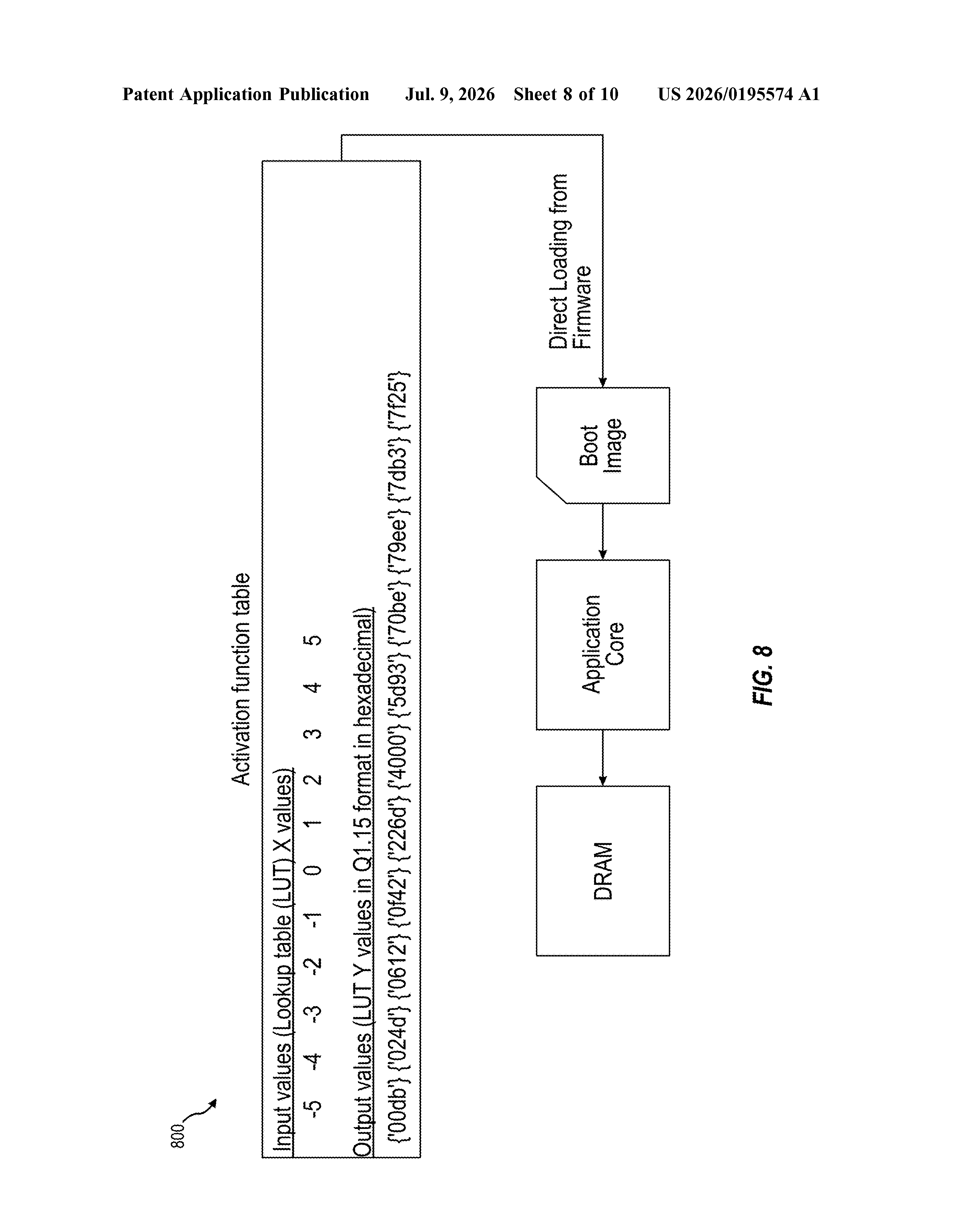
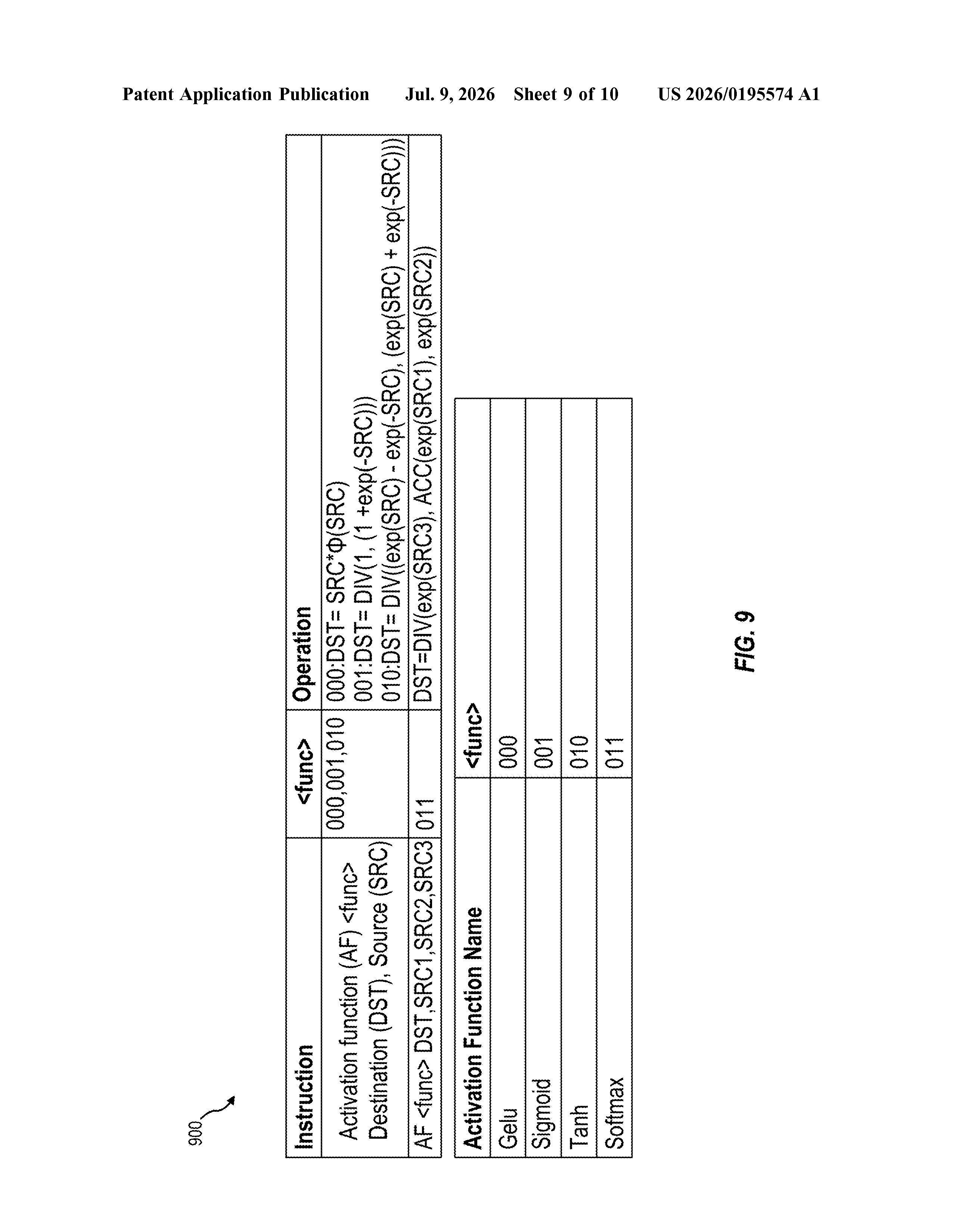
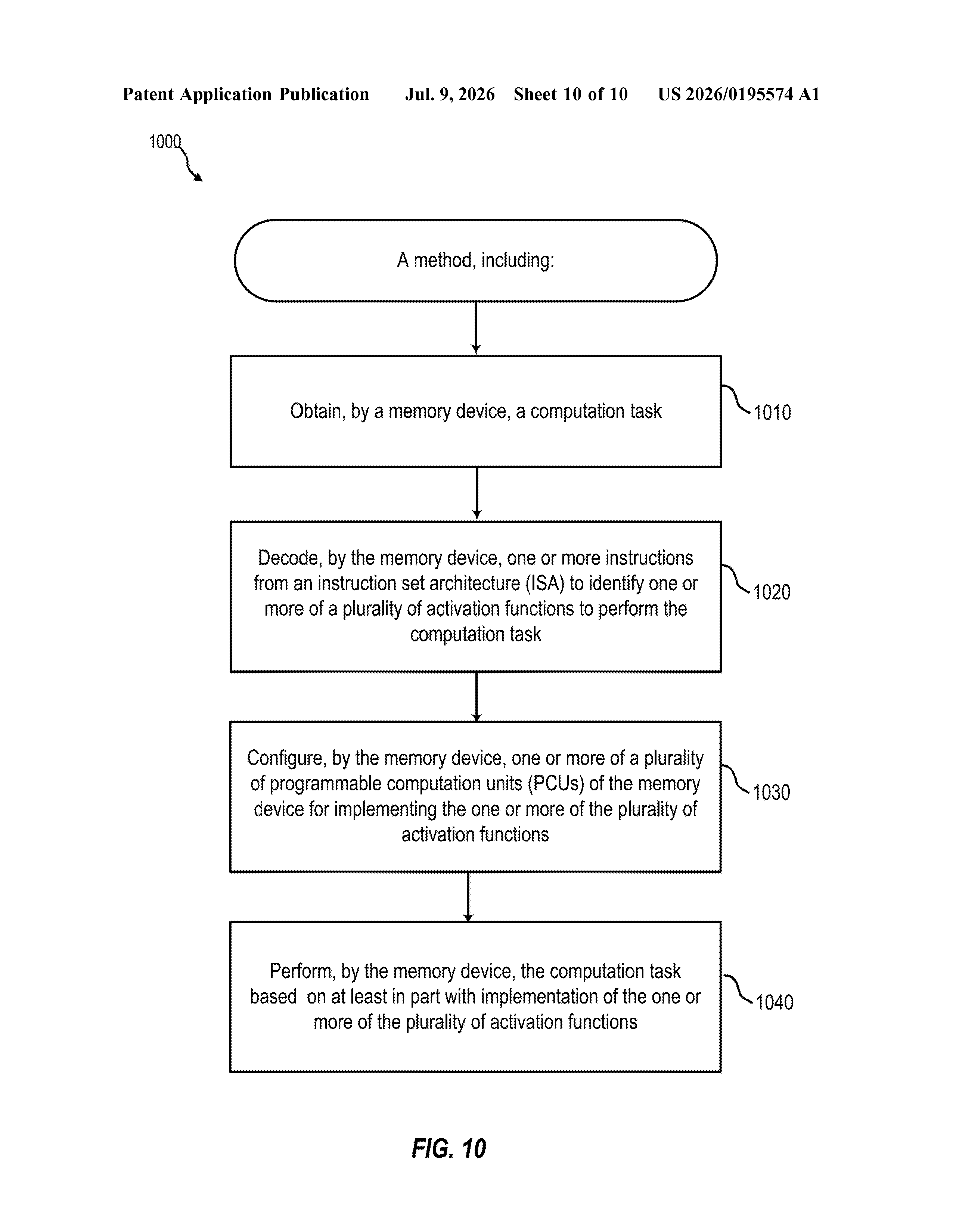
The key mechanism is an instruction set architecture (ISA) built into the memory device. An ISA is essentially a vocabulary of commands a chip understands. Here, the memory chip reads those commands and uses them to identify which activation functions to run. Activation functions are the mathematical operations (like ReLU, sigmoid, or GELU) that AI models apply to data at each layer of a neural network; they determine whether a signal passes through or gets suppressed.
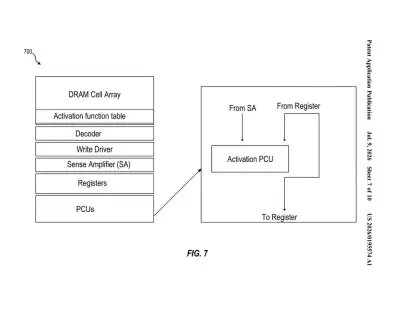
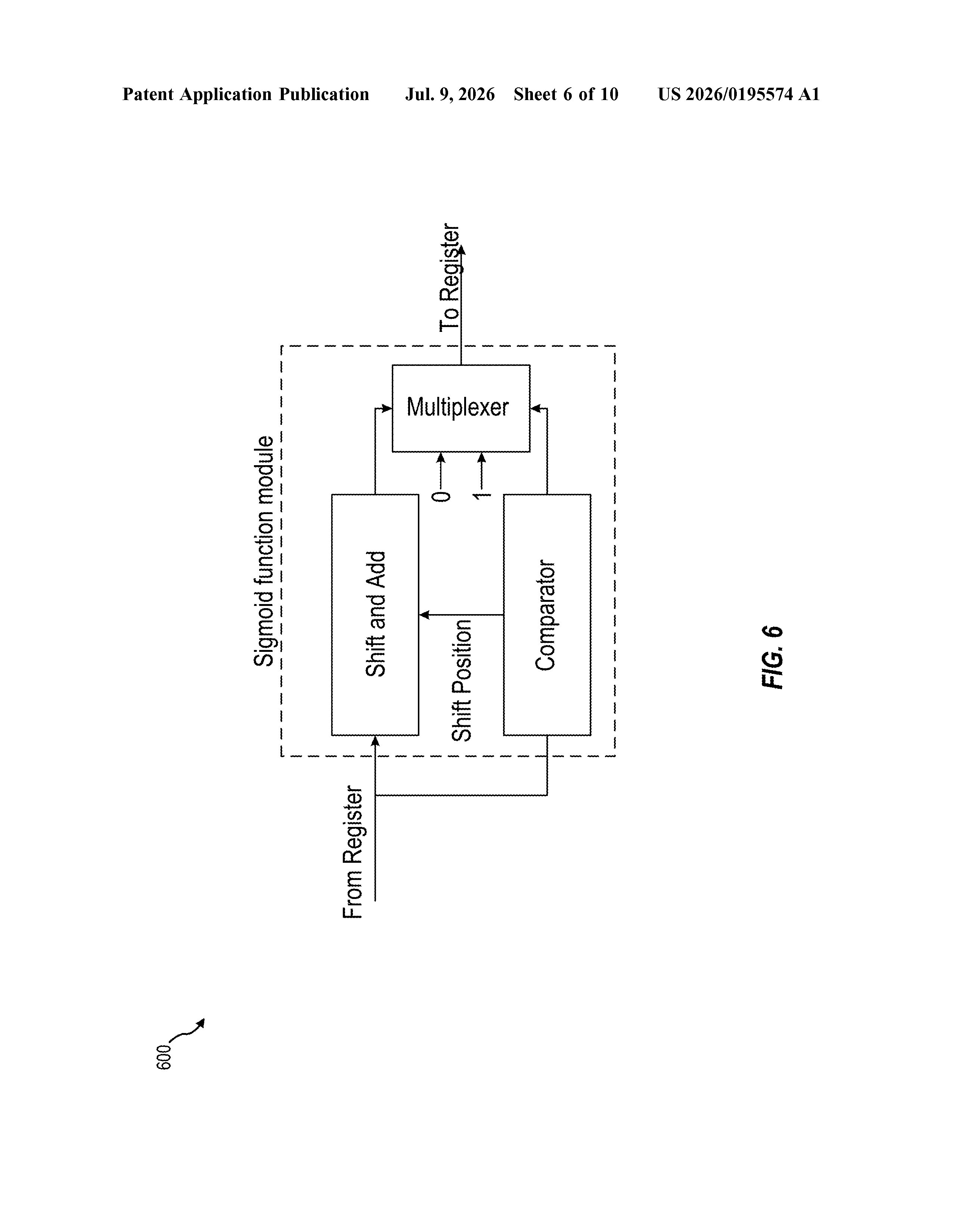
Inside the chip, a set of programmable computation units (PCUs) can be reconfigured on the fly to handle whichever activation function the current AI task requires. That flexibility matters because different AI models use different functions, and a fixed-hardware approach would only serve one type.
- Memory chip receives a computation task
- Decodes ISA instructions to identify the required activation function
- Configures its internal PCUs to match that function
- Executes the calculation locally and returns the result
The net effect is that AI inference workloads can offload repetitive math to memory, reducing the number of times data has to move between chips.
What this means for on-device AI speed and power draw
Moving data between memory and a processor is one of the biggest energy costs in AI inference, particularly on mobile and edge devices. If Qualcomm can push even a subset of AI calculations into the memory chip itself, the power savings at scale could be meaningful. For users, that translates to longer battery life when running on-device AI features and potentially faster response times.
Qualcomm's Snapdragon chips already dominate the high-end Android and laptop markets, and the company has been publicly investing in on-device AI. A patent like this fits squarely into that strategy: making AI faster and cheaper to run without relying on a cloud connection, which is where you get faster responses and fewer privacy concerns.
Source: US 2026/0195574 A1 at the USPTO (PDF). Full patent text and figures are in the official publication.
Get our take in your Top Stories
Liked this breakdown? Add Patentlyze as a preferred source on Google, and our plain-English take shows up more often in your Top Stories the next time Qualcomm patent news breaks.
Add Patentlyze on Google
One click.
There are more where this came from
We read the new patents from Big Tech, carmakers and more and send you the ones worth knowing. Plain English, free, every week.
The drawings · 10 sheets
10 drawing sheets from US 2026/0195574 A1 · click any drawing to enlarge
Show the other 2 sheets
More from Qualcomm
All 637 Qualcomm patents →
More in Cell phone
All 496 Cell phone patents →
Samsung
Samsung Patents a Charging Circuit That Shifts Its Voltage Ratio Mid-Charge
Samsung
Samsung Patents a Shortcut That Speeds Up How Phones Decode Wi-Fi Signals
Samsung
Samsung Patents a Chip That Works Harder to Fix Weak Cellular Signals
Apple